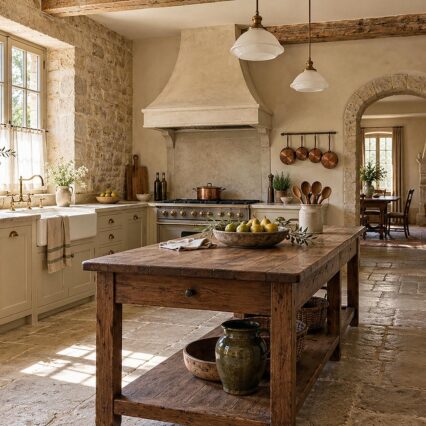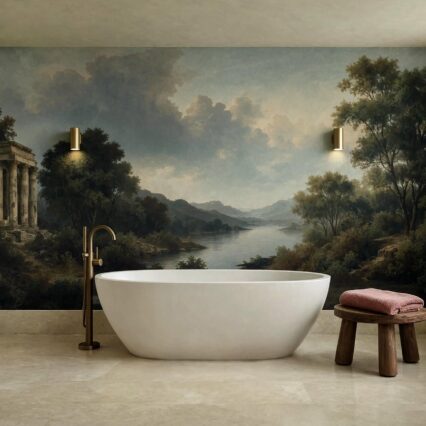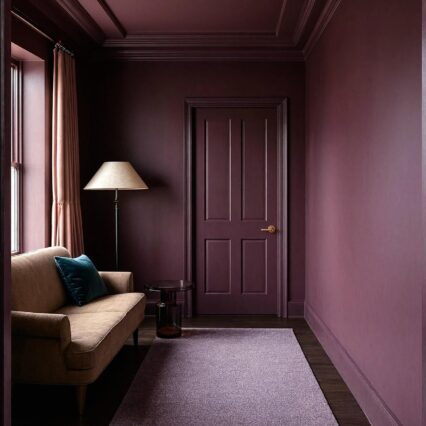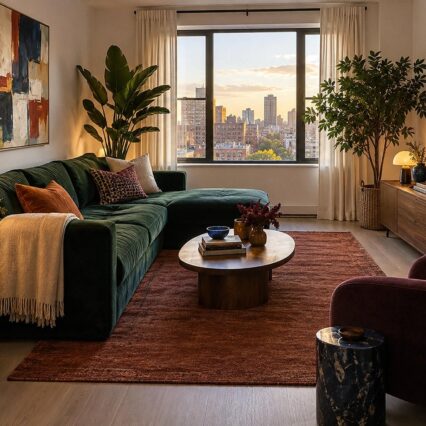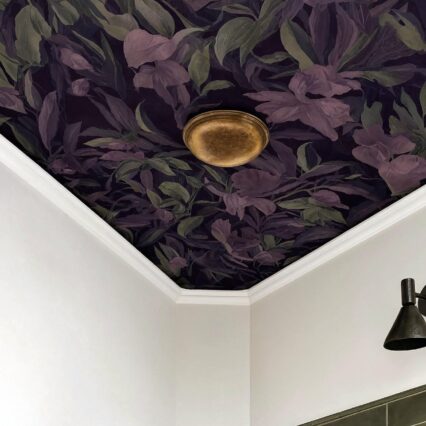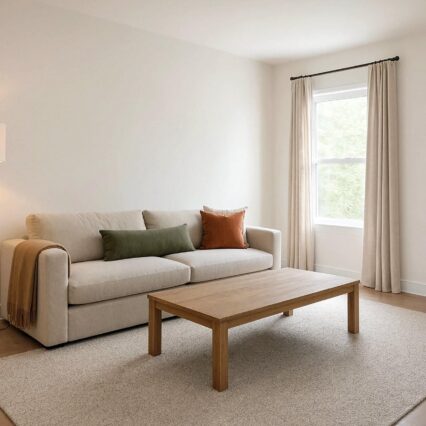
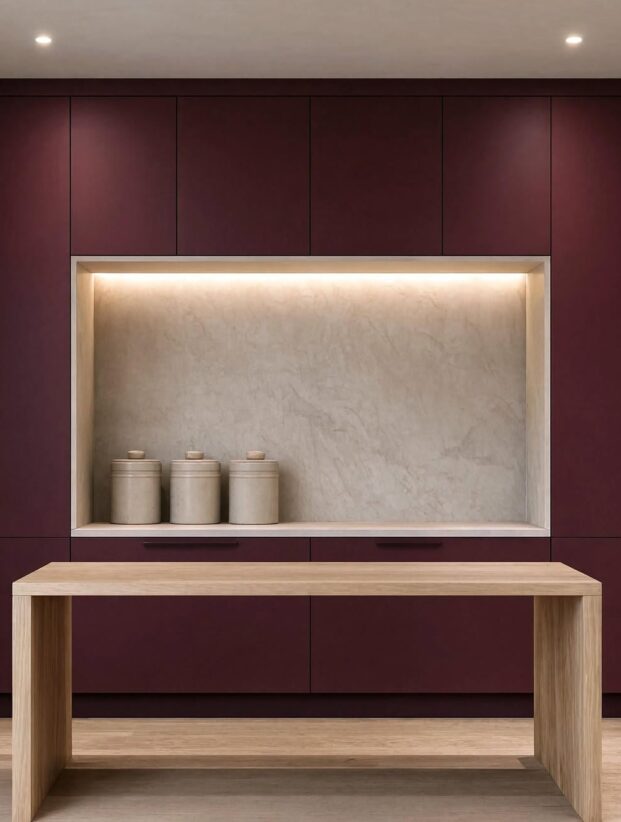
The surprise in 2026 kitchen color isn't that white disappeared. It didn't. The bigger shift is that wood has moved ahead of white as the cabinet choice among renovating homeowners in one current study, while warmer neutrals, greens, and blues hold strong in broader industry forecasts.
That matters because the mood has changed. Crisp and spotless has given way to aged, mellow, slightly muddied color -- the kind that looks better beside an old cutting board and a cloudy stone counter. Kitchens are getting their appetite back.
The National Kitchen & Bath Association's 2026 report found neutrals leading its professional survey, with greens and blues close behind. A separate 2026 kitchen study found wood narrowly ahead of white cabinetry among renovating homeowners. Forecast and installed choices aren't the same thing, though together they point toward warmth, grain, and color with a little dust on its shoes.
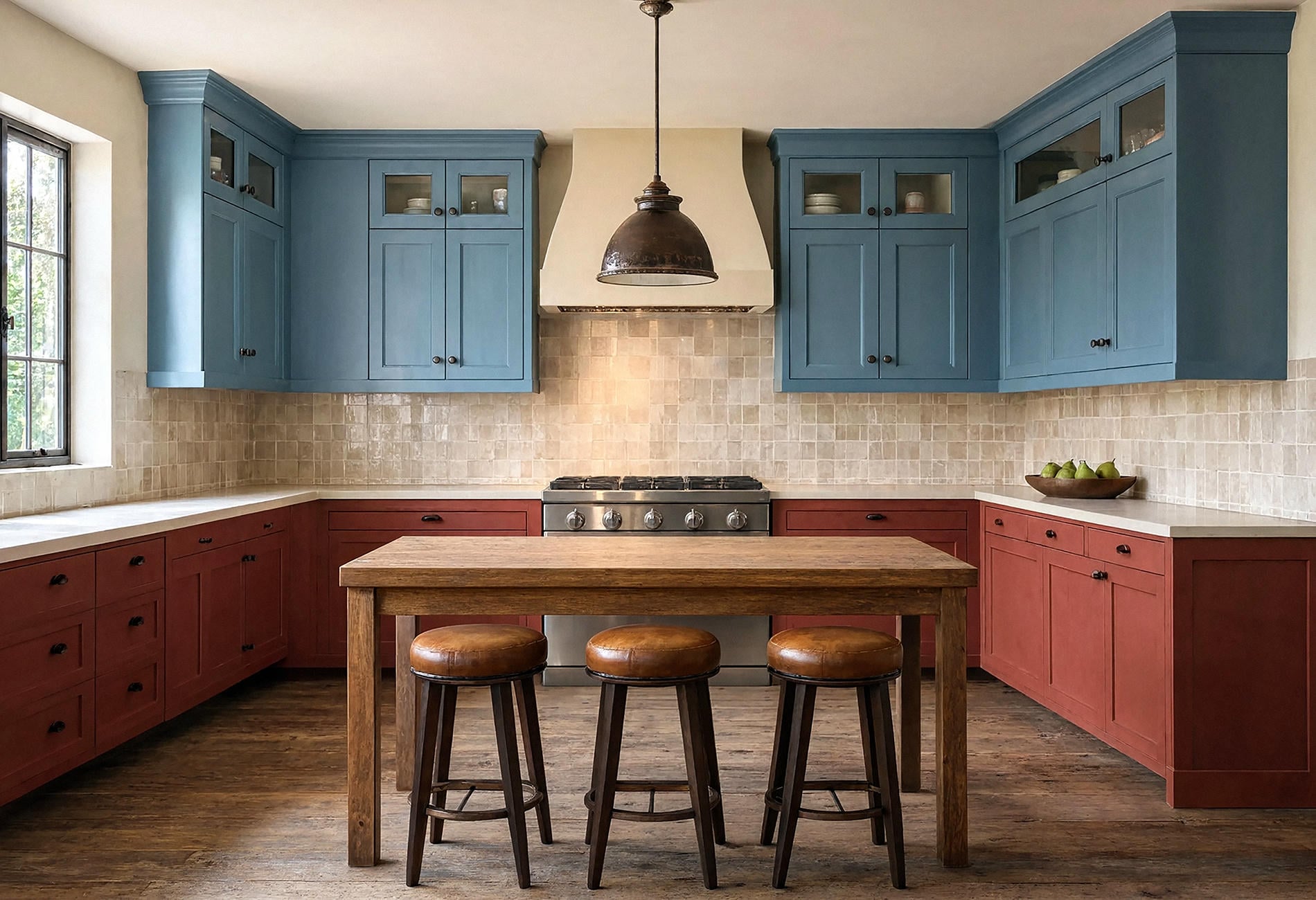
Aged Colors Are Taking the Edge Off the Fresh-From-the-Can Look
An aged color has softened edges. Think blue with smoke in it, olive with a brown undertone, brick red faded by years of sun, or cream that sits closer to old plaster than printer paper.
These colors work because kitchens are already full of competing surfaces: metal, stone, wood, tile, glass, and whatever is simmering on the stove. A slightly muted paint can connect those materials without demanding center stage.
For my money, this is the most useful direction in the current kitchen paint trends. It lets you choose a real color while avoiding the candy-coated finish that can make cabinetry feel detached from the room.
Test aged shades beside the countertop and floor. A beautiful muddy green may turn dull against green-veined stone; a chalky blue can come alive beside warm oak. Paint doesn't arrive alone.
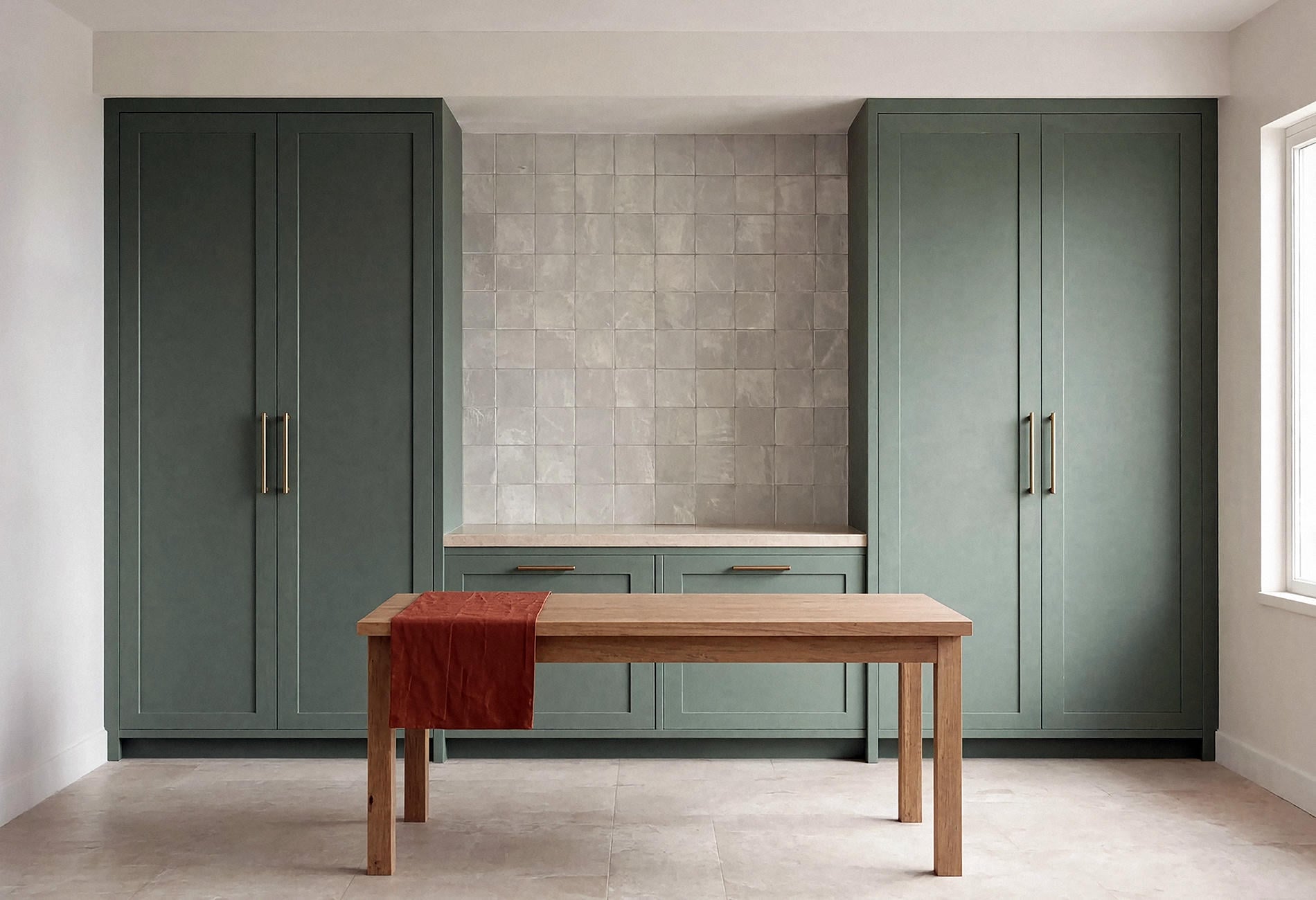
Soft Sage Has Company Now
Move one chip past the prettiest pale sage and look at the muddier green beside it. Soft sage remains easy to live with, especially in kitchens that get clear daylight, while its next chapter is earthier: olive, dried-herb green, moss, and grey-green with enough brown to sit comfortably beside natural wood.
Use sage where you want the cabinetry to feel light. Move toward olive when the room needs weight. In a dim kitchen, sample both because a softened green can lose its identity as the daylight fades.
And give green something warm to lean on. Honeyed wood, muted clay tile, aged brass, or cream walls keep it from feeling clinical. I wouldn't pair every sage cabinet with pure white simply because the internet has decided those two are married.
Cool Blue Cabinets Are Turning Dustier
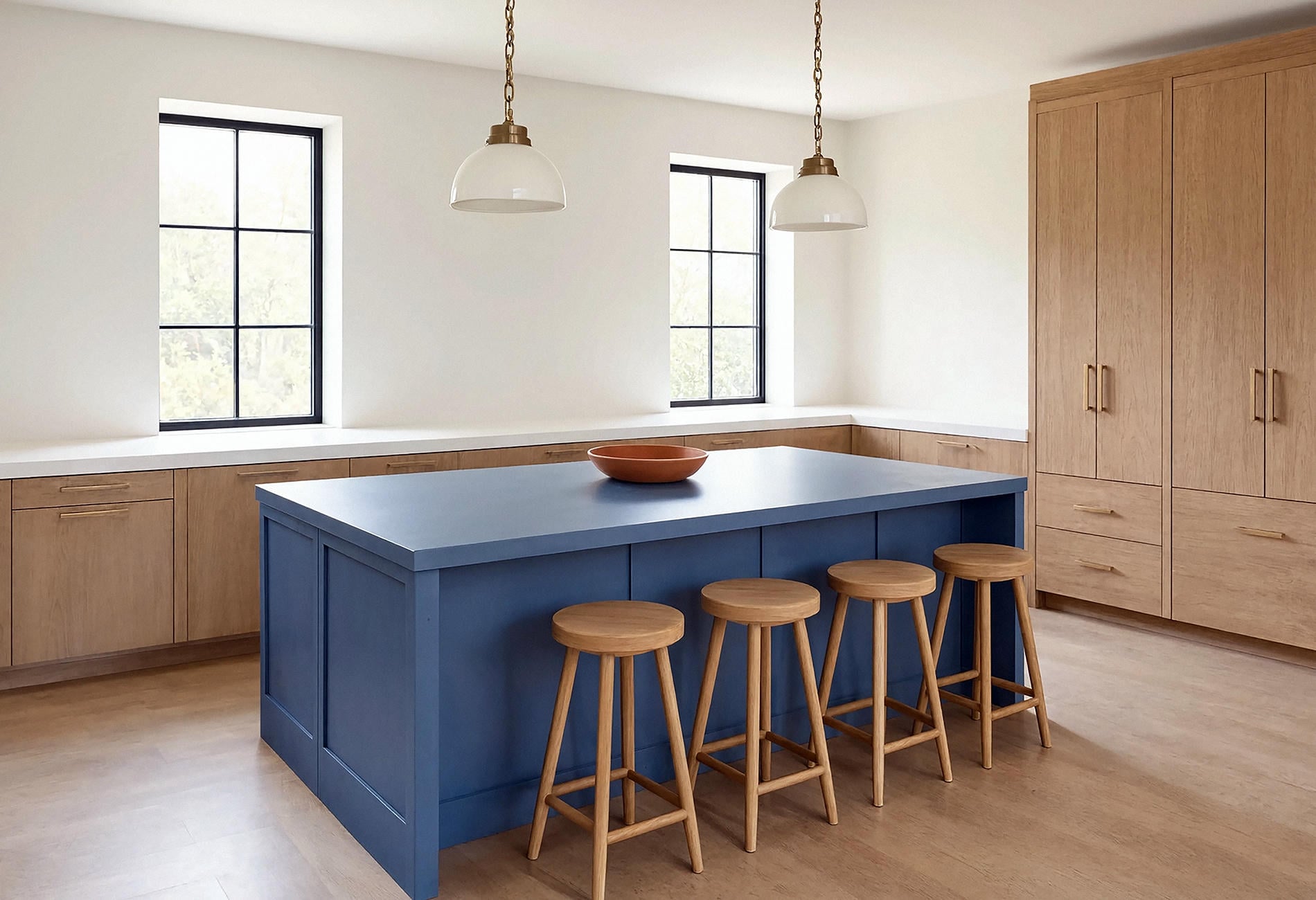
Blue cabinetry remains an important color direction, with softer, grayed shades offering an alternative to obvious navy. These shades still feel cool, though their greyed or greenish undertones make them easier to place beside warm materials.
A long wall of cool blue cabinets can be wonderful in a sunny kitchen. In a darker room, I'd use blue on the island or lower cabinets and let the upper half stay lighter. The eye gets the color without the ceiling feeling pressed down.
Pair dusty blue with warm white, tobacco wood, red clay, or soft bronze. To my eye, blue beside cold grey can look like an office break room that has recently discovered expensive tile. Give it something human.
Two-Tone Kitchens Are Getting Quieter
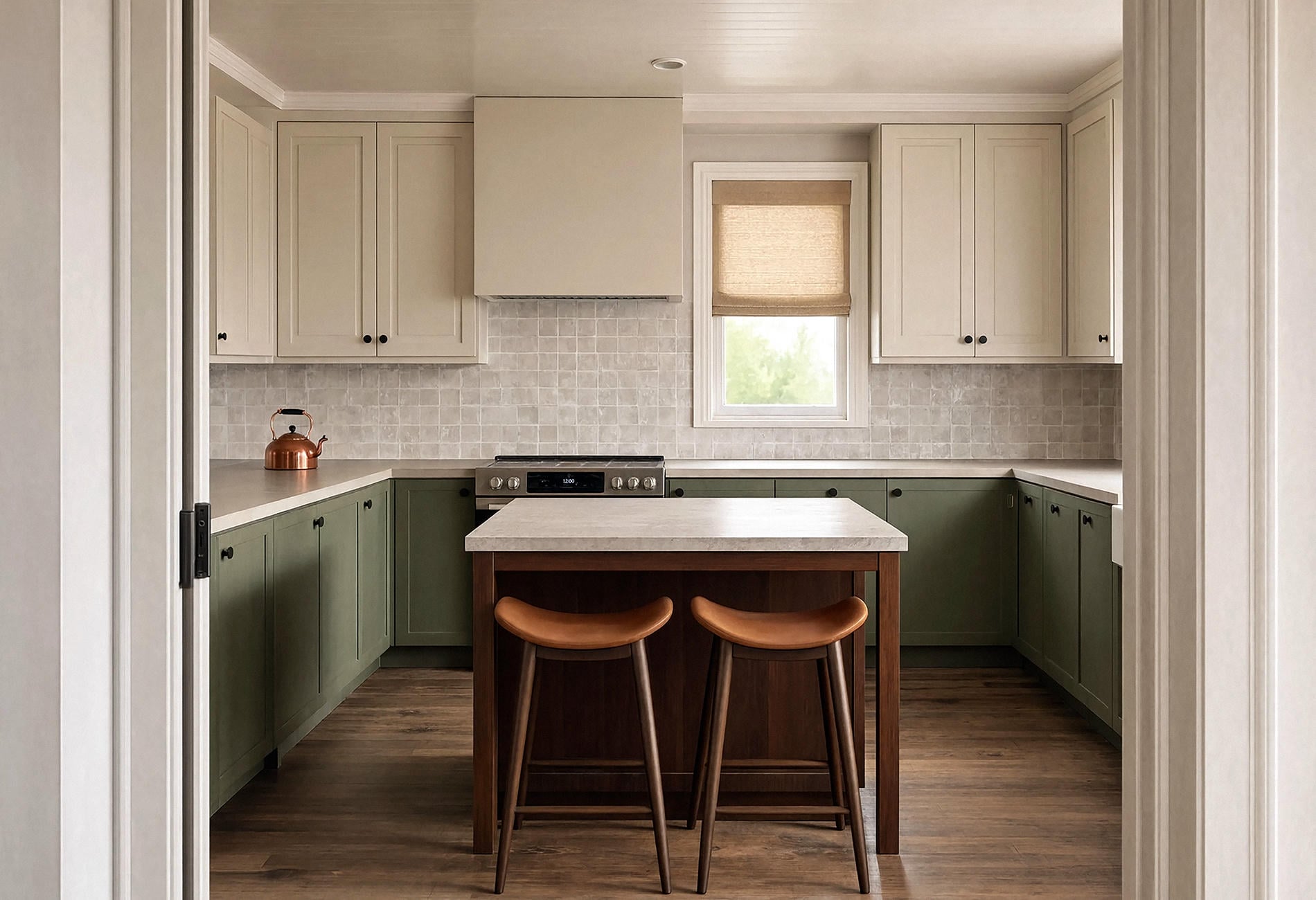
The most convincing two-tone kitchens for 2026 don't rely on a sharp black-and-white split. They use colors that share an undertone or differ mainly in depth.
Try putty uppers with olive lowers, warm cream perimeter cabinets with a smoky blue island, or natural wood tall cabinets beside mushroom-painted base units. The contrast is visible, though it doesn't slice the kitchen in half.
Keep the counter and backsplash quieter when the cabinetry carries two colors. A broad stone surface with gentle movement can bridge both. Busy tile, veined counters, two cabinet colors, and multiple metals in one view can start behaving like four radios tuned to different stations.
Warm-Tone Kitchen Walls Are Doing More Than Filling Gaps
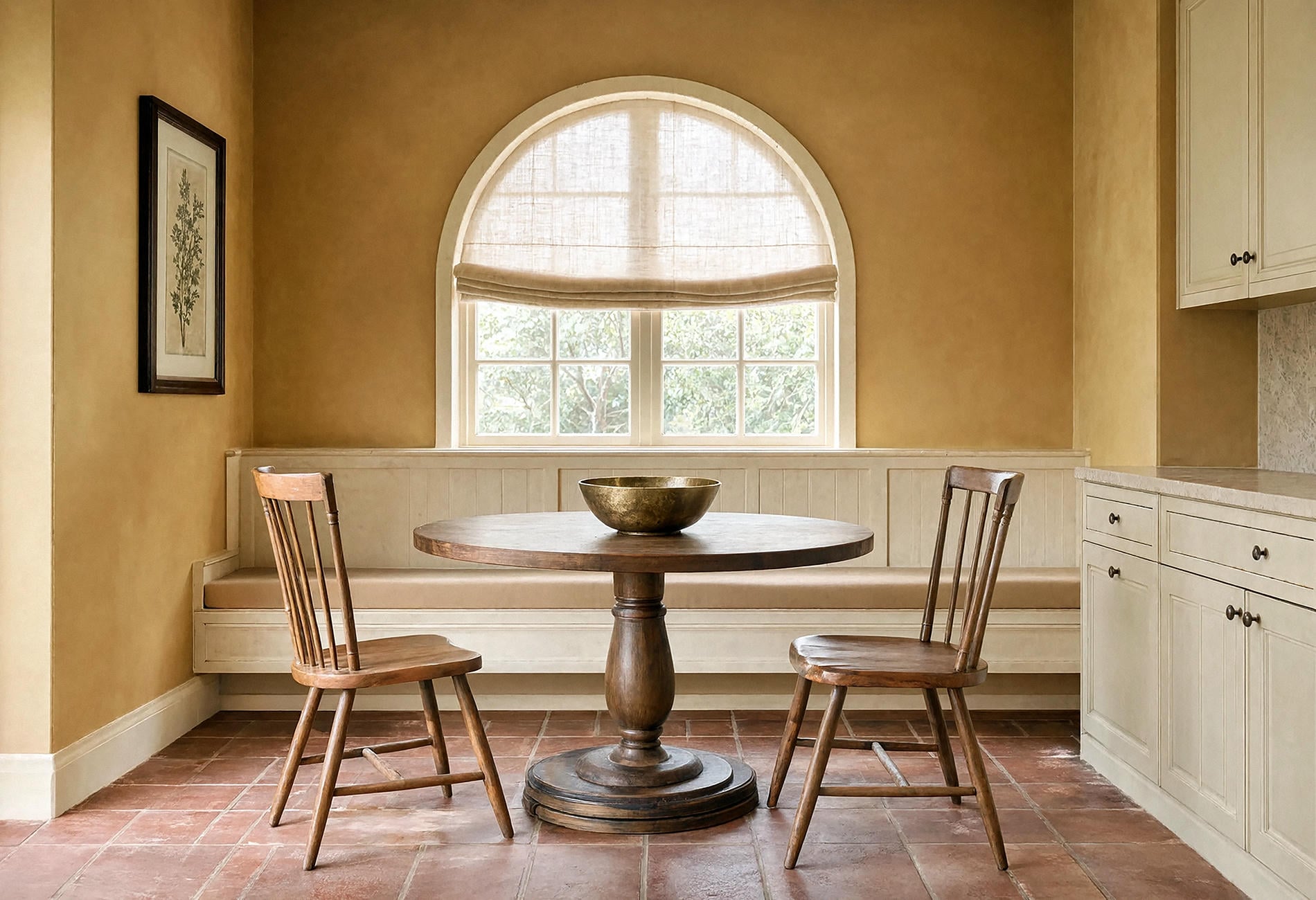
Wall color used to be the afterthought between white cabinets and white trim. Now warm kitchen wall colors -- soft ochre, pale clay, creamy tan, muted apricot, and mushroom -- are giving pale cabinetry a background with actual presence.
If your cabinets are white, check whether they lean cool, warm, or neutral before choosing the wall. A yellowed cream beside a blue-white cabinet can make both look less intentional. A soft putty or mineral beige may connect them more gracefully, depending on the counters and light.
Paint the largest sample you can tolerate and move it around. Kitchens have more reflected color than most rooms. Wood floors bounce warmth upward, green yards tint window light, and glossy counters send color back toward the wall.
Moody Kitchen Paint Works Best With an Escape Route
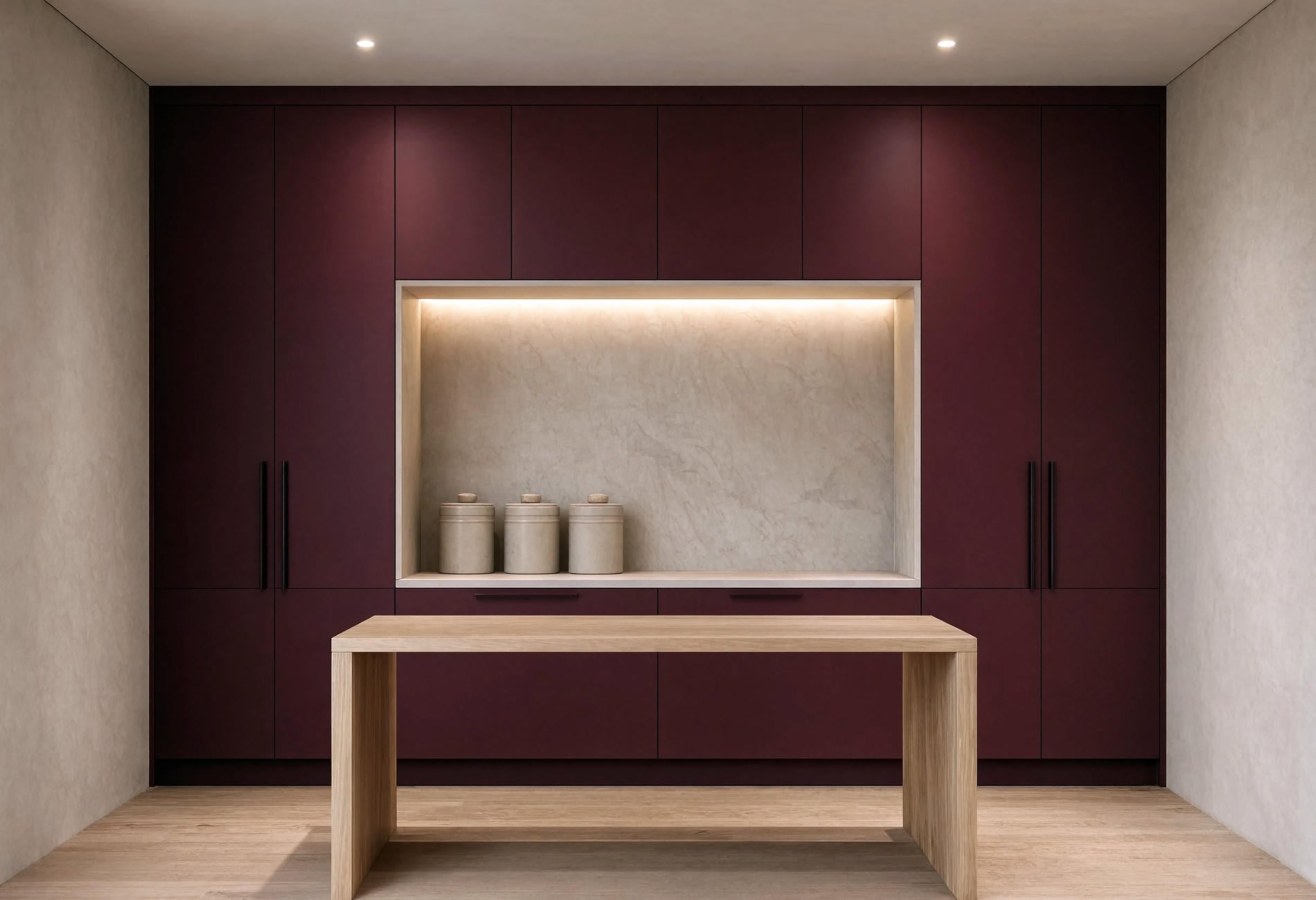
Deep olive, oxblood, charcoal blue, and brown-black can make cabinetry feel substantial. They also absorb light, so the room needs a counterweight: a pale counter, reflective tile, open window, lighter ceiling, or generous stretch of warm wood.
I like moody kitchen paint most when it occupies one clear block. A pantry wall, island, lower cabinet run, or breakfast nook can carry the darkness while the rest of the kitchen breathes.
Quick honest note: I'm not an electrician or a contractor, and nothing here is professional advice. If a darker scheme sends you looking at new hardwired fixtures, hire a licensed pro because wiring carries shock, fire, and code risks. Plug-in lamps and battery task lights can help you test the evening mood without touching the wiring.
White Kitchens Aren't Going Away -- They're Warming Up
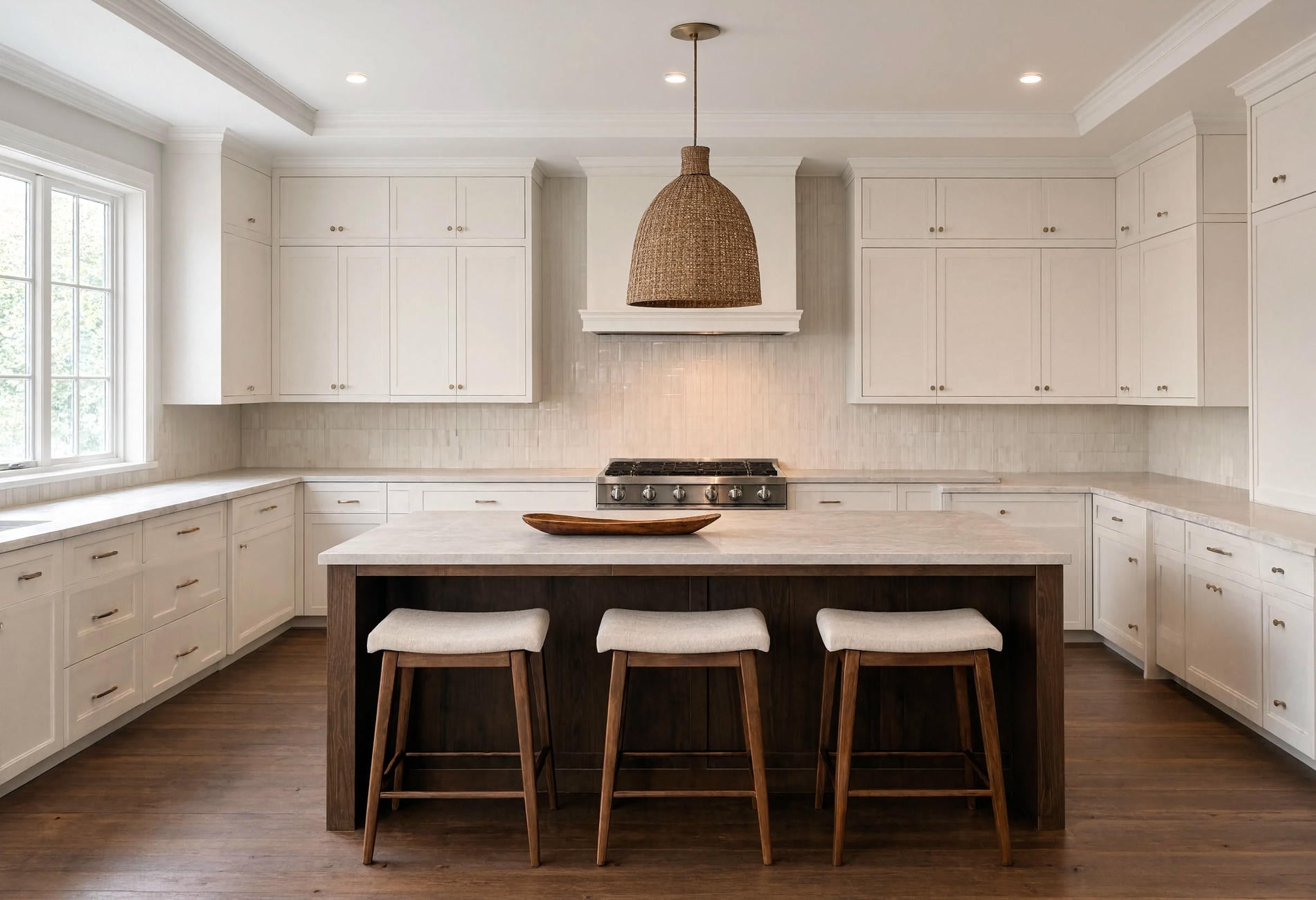
Are white kitchens going out of style? No. Current installed-choice data still shows white holding a large share, even as wood moves ahead in one renovating-homeowner study.
The version that feels current is softer and more layered: chalky white cabinets, warm stone, visible wood grain, plastery walls, and less icy contrast. White now works as breathing room around texture rather than the whole personality of the kitchen.
If you love a clean white kitchen, keep it. Add warmth through the island, floor, stools, wall color, or one aged metal finish. You don't owe a useful room a dramatic repaint because a forecast changed.
How to Choose Your Cabinet Color
Start with the surfaces you aren't replacing. Hold cabinet samples against the floor, counter, backsplash, and adjoining room at several times of day. Then decide how much visual weight you want the cabinetry to carry.
Light colors reveal form and keep the room open. Midtone greens, blues, and woods add character without swallowing every detail. Dark colors make a strong architectural block, especially when the hardware and counter edges stay clear.
And sample the sheen. Satin and low-sheen finishes read differently as window light moves across doors and drawer fronts. The color may be right while the glare is doing it no favors.
Questions People Ask About Kitchen Color in 2026
What is the most popular kitchen color right now?
There isn't one universal winner across every surface. Current 2026 reporting shows warm neutrals leading professional forecasts, while wood and white remain major cabinet choices among renovating homeowners; green and blue continue as important color families.
Are white kitchens going out of style?
No. White remains widely chosen, though the newer versions often include warmer stone, natural wood, softer wall color, and less sharp contrast.
What color should I paint my kitchen cabinets?
Choose from the undertones already present in your countertop, floor, backsplash, and nearby rooms. Sample warm white, wood-toned neutrals, sage or olive, and a dusty blue in the actual kitchen before committing.
Can I use a dark cabinet color in a small kitchen?
Yes, especially on one defined run, the lowers, or an island. Balance it with clear sightlines, a lighter counter or wall, and enough usable light for cooking tasks.
Keep the white if it still makes you happy. Paint the cabinets blue if the samples look wonderful at breakfast and after dark. Your kitchen gets to outlive the forecast.