A brass candlestick is lying sideways on the rug, and two pottery bowls are competing for the same shelf. The flea-market haul looked charming in the car. Under the living-room lamp, it appears to have formed a municipal committee.
This is the useful moment, actually. Cluttercore decor works when abundance carries evidence of your attention: repeated colors, visible collections, useful objects, and enough breathing room to notice the good bits.
The goal isn't to make every surface busy. It's to let your peculiar little universe show.
Decide what your room is collecting
Name the obsession before you arrange it. Glazed pottery, carved wood boxes, brass candleholders, and patterned textiles can all carry a room, though four unrelated collections fighting at equal volume will tire your eye.
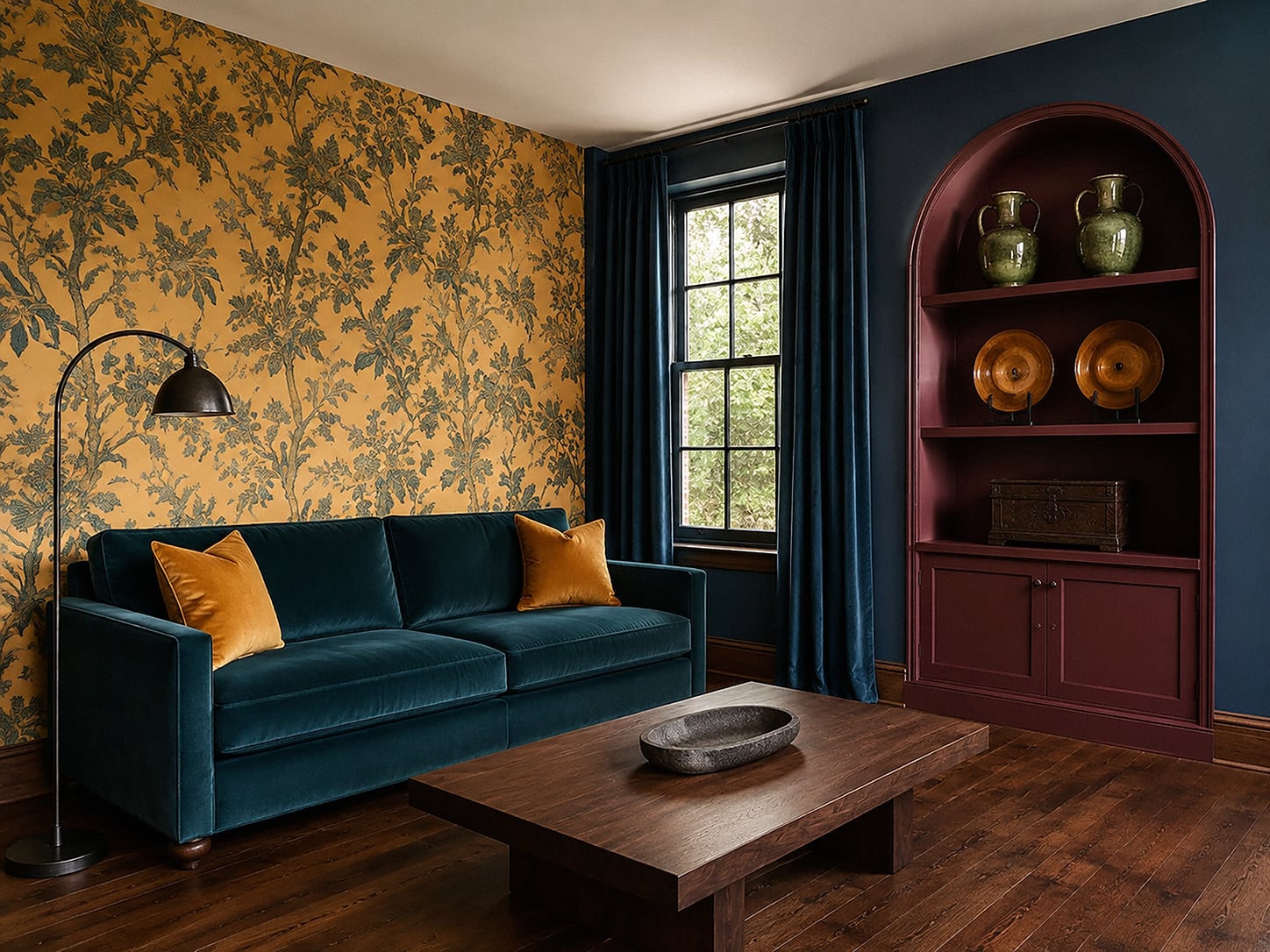
I'd pick one leading family and let the rest behave like supporting characters. If pottery is the star, gather it by color or silhouette across one substantial cabinet. A carved box on the coffee table can echo the wood tone without auditioning for its own television series.
This separates personal abundance from random accumulation. You can love twenty things and still choose which five are in the foreground today. The others aren't rejected; they're simply backstage eating snacks.
A useful filter has four parts: subject, color, scale, and air. Know what the group contains, repeat a color, mix large pieces with smaller ones, and leave a visible edge around the arrangement.
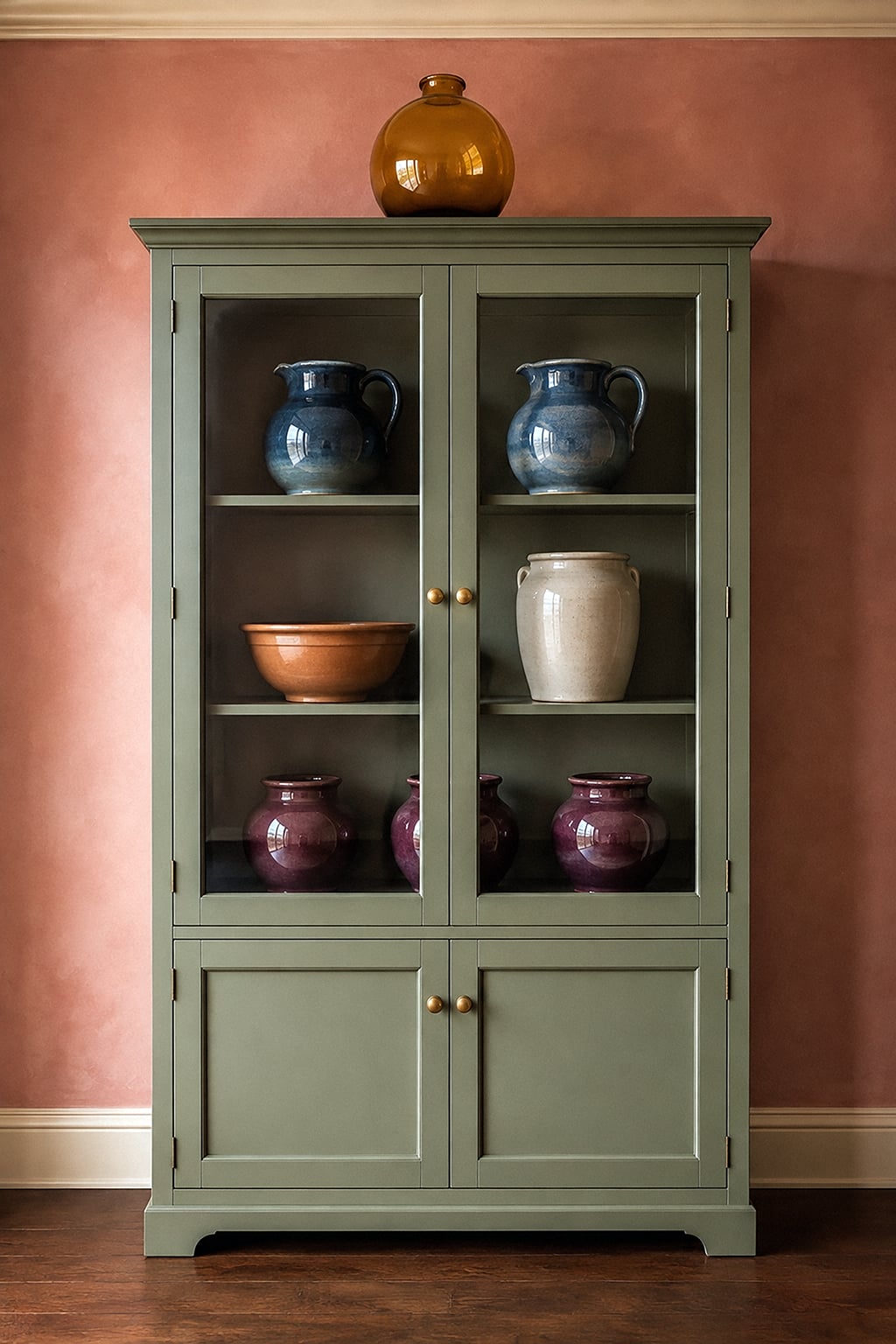
Build shelf rhythm with gaps and anchors
An empty patch on a shelf isn't wasted. It gives the eye a place to stand while the objects introduce themselves.
Begin with the largest item in each bay: perhaps a broad stoneware bowl, one lidded tin, a chunky glass vessel, or a carved wooden animal. Add smaller related pieces beside it, then stop before every inch becomes a parking spot. To my eye, a visible strip of shelf is what makes a collection look intentional.
For cluttercore shelf styling, repeat one material across the whole piece. Three brass objects placed on separate levels can stitch together mismatched pottery and glass, though that's my visual preference rather than a law. If the shelves still feel jumpy, remove the smallest objects for a day and look again.
Closed cabinets count too. A painted cupboard with solid lower doors can hold awkward cords, spare candles, backup batteries, and useful uglies. Every home has useful uglies; pretending otherwise is how batteries end up living in a soup bowl.
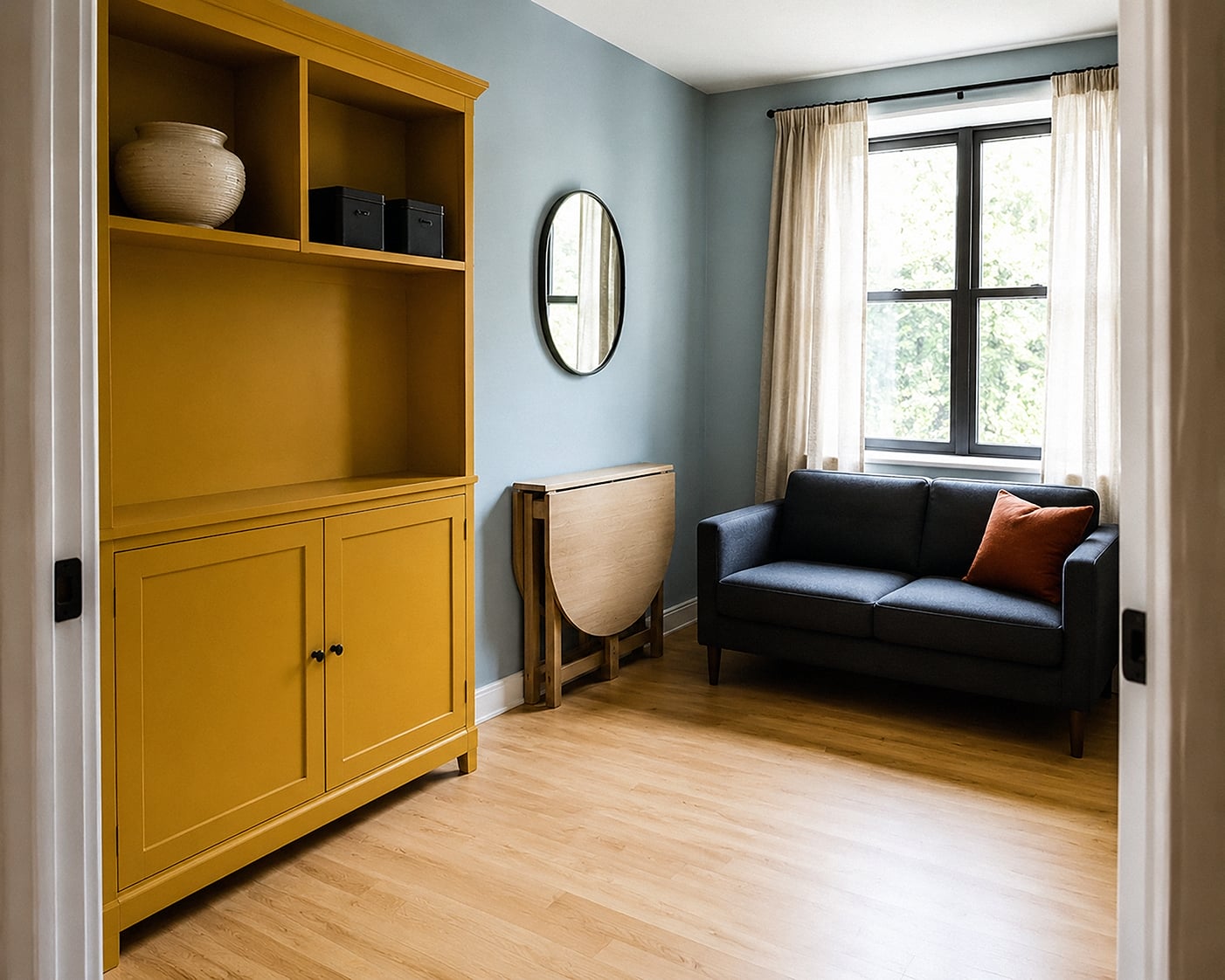
In a small apartment, go bigger and fewer
Tiny rooms magnify tiny objects. A dozen miniature pieces can read as visual static, while one tall cabinet and a broad patterned rug create a stronger structure.
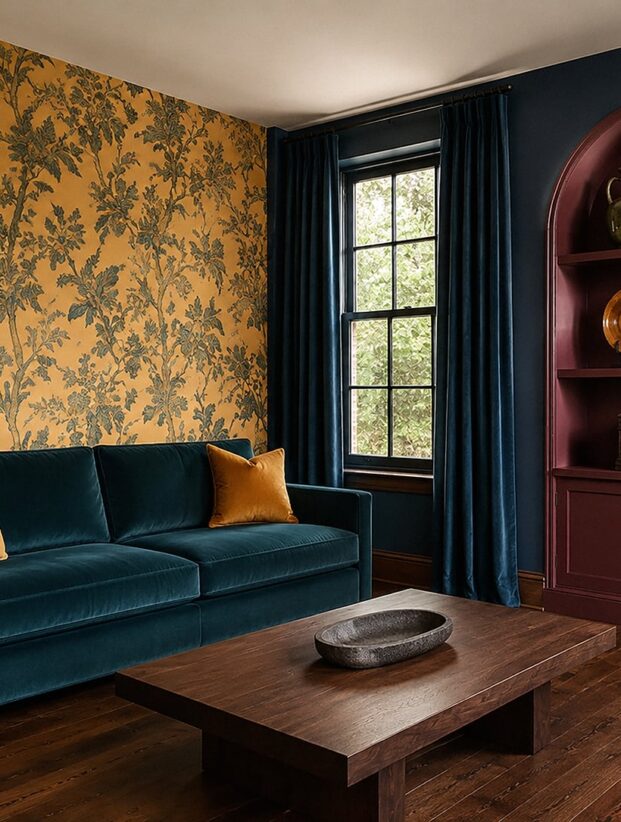
For a small apartment, I'd give cluttercore one saturated anchor. Try a saffron cabinet or a deep teal sofa. Keep the larger surrounding planes calmer so the collection has a clear address.
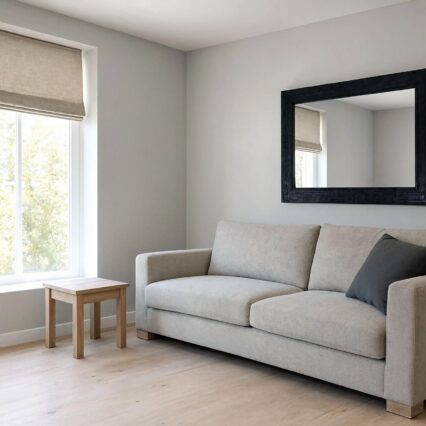
Use vertical room carefully. One tall display cabinet may earn its footprint by holding pottery above and closed household supplies below. A single oversized mirror can reflect color and light; several small mirrors can make the wall feel as if it's checking itself from every angle.
And protect the walking route. If you have to turn sideways to pass a chair while holding coffee, the chair has declared independence from the floor plan. Move it.
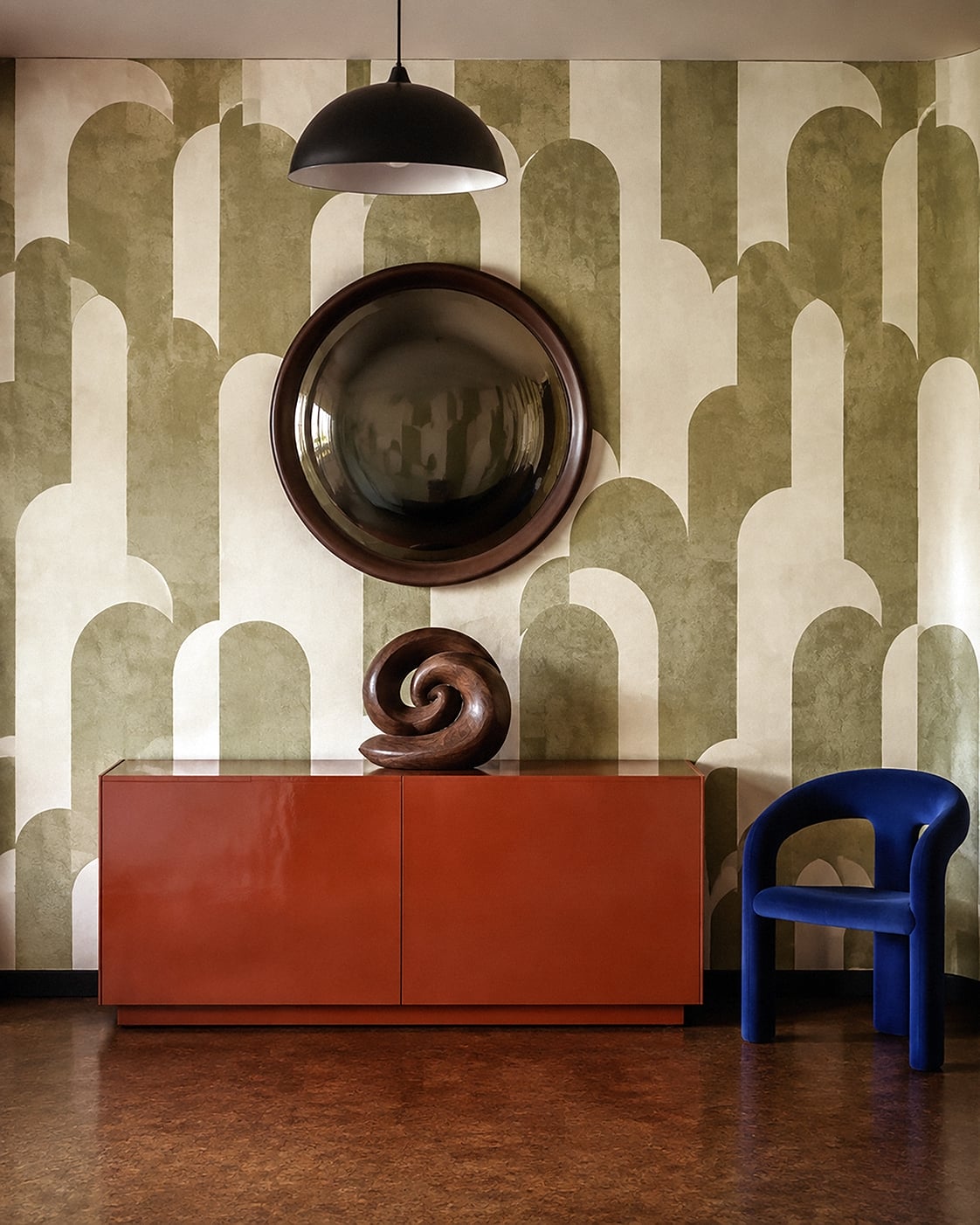
Give an oddity wall one strong shape
Gallery walls of oddities can be wonderful in real homes: carved masks, pressed botanicals, shallow display boxes, old mirrors, and pieces that make visitors lean closer. The arrangement needs a boundary, though, or it can creep across the wall like ivy with a credit card.
Choose one large rectangle or arch for the full grouping. Lay pieces out on the floor first, and use paper templates if that helps you judge the outer edge. I like an irregular interior with a disciplined perimeter; the tension makes both parts more interesting.
Mixing wall objects is also a chance to vary depth. A convex mirror may sit near a flat textile panel, with one shallow wooden shelf beneath. Keep delicate pieces secure and use hardware suited to the wall and object's weight; ask a qualified professional when the material or load is uncertain.
Too many small photos and text-heavy prints can easily blur into visual noise, so you might want to anchor the space with bold wallpaper or one large mirror instead.
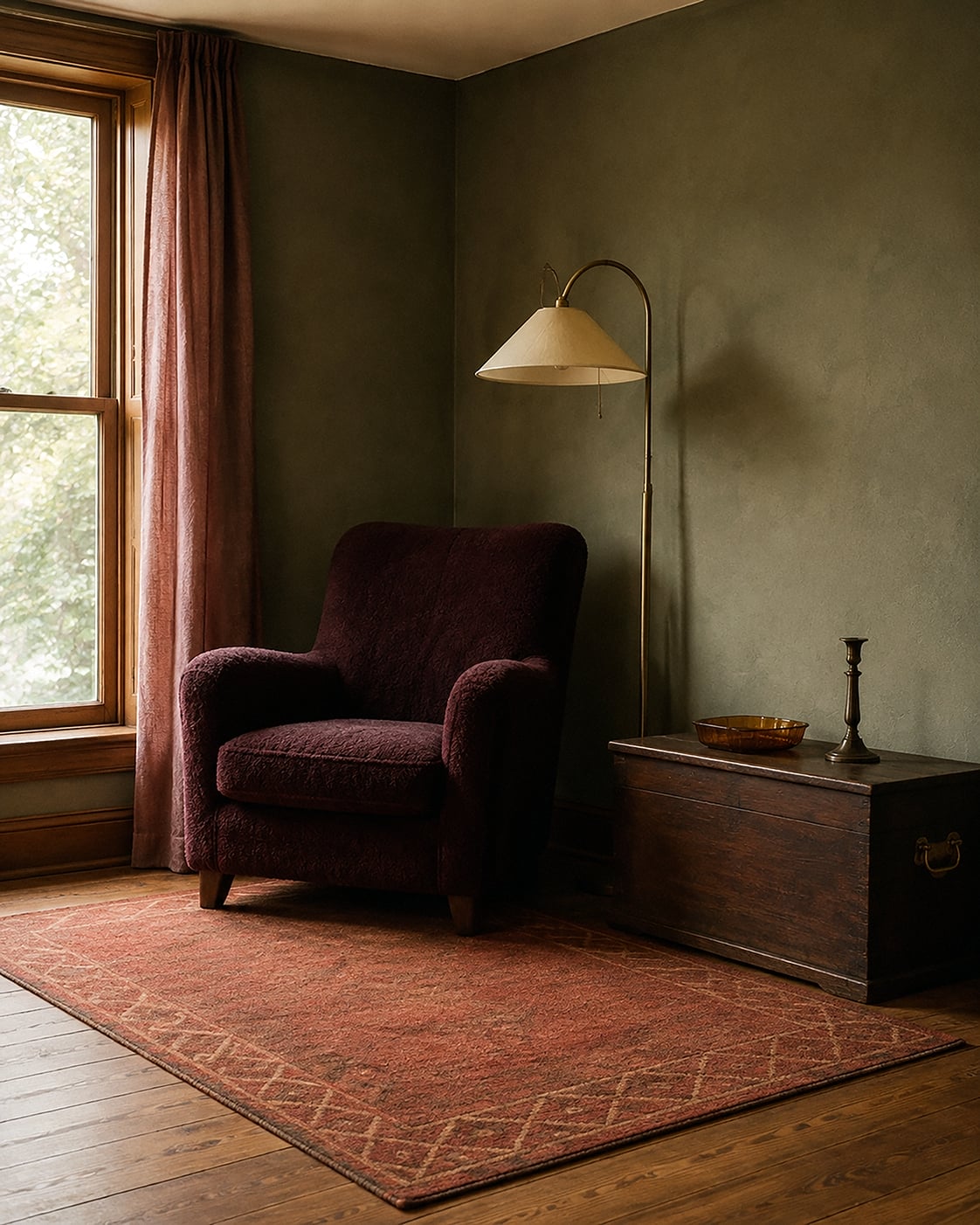
Let thrifted pieces share one visual clue
Different eras can live together more easily when something repeats. Maybe it's rounded corners, dark walnut, aged brass, or a plum color that moves from chair to curtain.
This is where thrifted home decor gets good. A heavy wood cabinet beside a sleek floor lamp feels less accidental when both carry a dark line; a faded rug can calm a glossy table when their colors speak quietly across the floor. For my money, patina is better than artificial distressing because it appears where hands and years would naturally leave it.
Inspect secondhand pieces carefully and clean them with methods suited to their materials. Unknown old paint can involve lead concerns, so don't sand or disturb it casually; get qualified guidance when you're unsure. For secondhand washable textiles, clean them carefully according to their specific material and care instructions (and give them a thorough check for hitchhiking vintage bedbugs) before bringing them into use.
And rotate. A home can feel collected over time without displaying every find at once. Seasonal editing also lets you fall in love with the strange brass bird again after it has spent six months in a cupboard thinking about what it did.
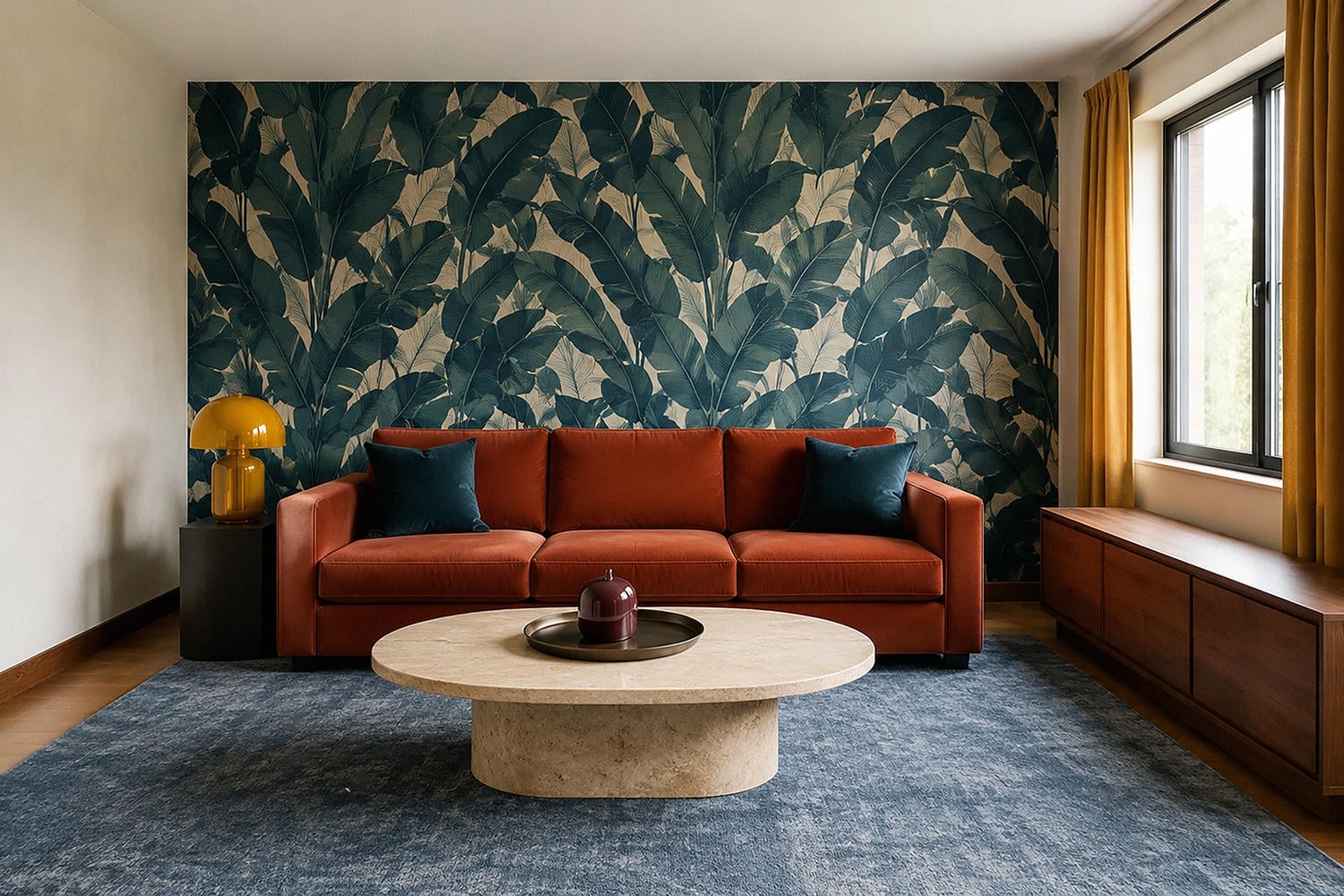
Make the living room comfortable before it gets clever
Sit down and look where your elbows land. The living room still needs a comfortable seat, a clear drink surface, a lamp you can reach, and a route through the furniture even when every color has turned up wearing jewelry.
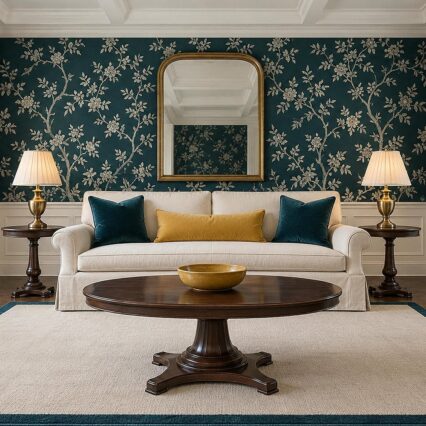
Start with the sofa as the anchor. Rust velvet against large-scale teal botanical wallpaper can hold plenty of visual energy, especially when a plain wool rug steadies the floor. Add one substantial coffee table and give its top a job: a wide tray for remotes or a single hammered bowl, with the rest deliberately bare.
Collector displays belong where they won't interrupt ordinary life. A glass-front cabinet can keep a set visible while reducing dust and visual spill. A closed console may swallow the cords, games, spare chargers, and practical things that rarely arrive with a charming silhouette.

I don't believe a lively room should apologize for being lively. I do believe you should be able to put down a mug without negotiating with six porcelain spaniels.
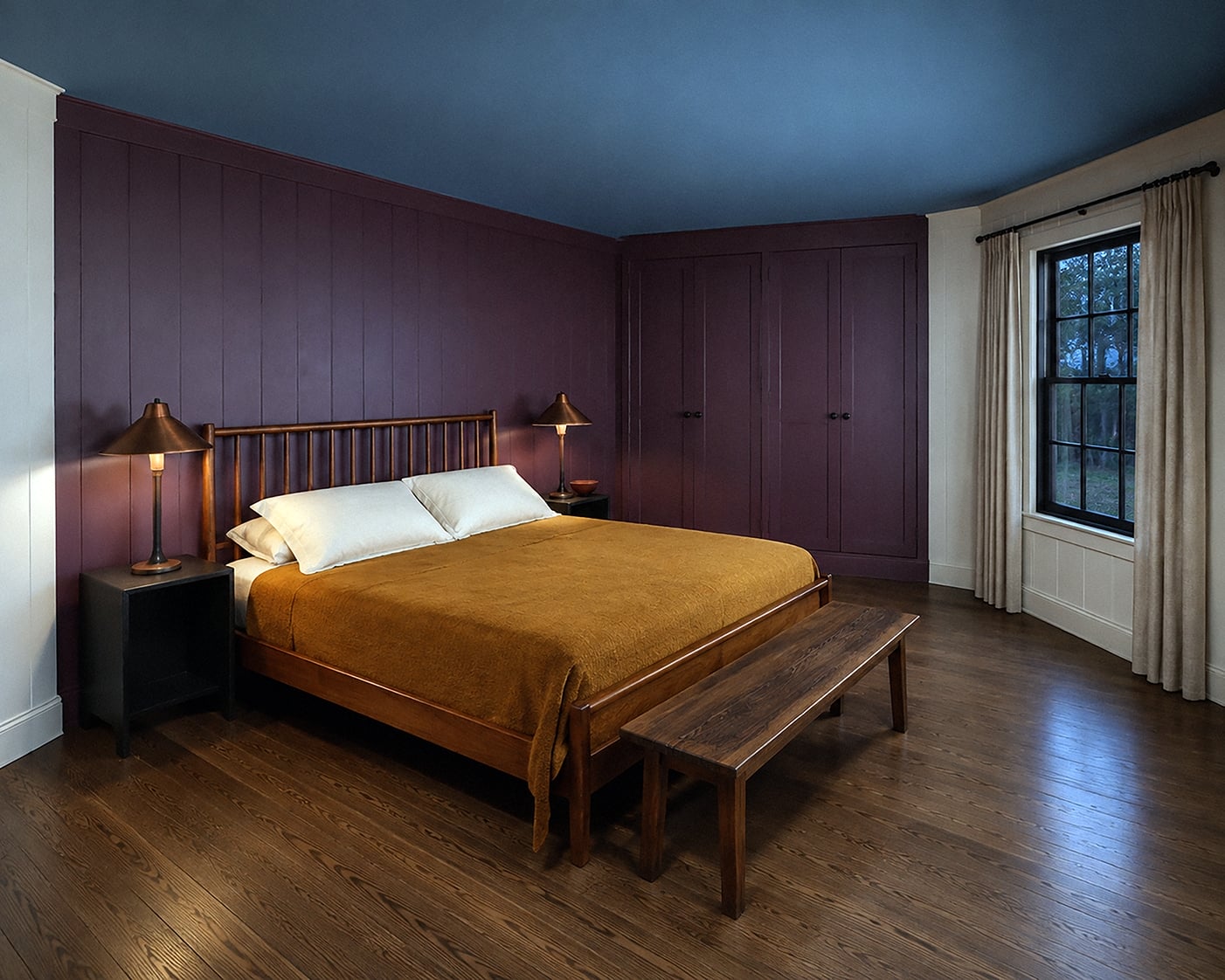
Let the bedroom lower its voice
By evening, even beloved objects can feel loud. The bedroom version works better, to my eye, when color and pattern carry the richness while surfaces stay quieter.
Choose one broad pattern for the wall or coverlet, then repeat two of its colors in larger pieces. A plum-painted wardrobe and ochre wool blanket can create depth without covering the nightstands. Keep each bedside surface to a lamp and one useful object.
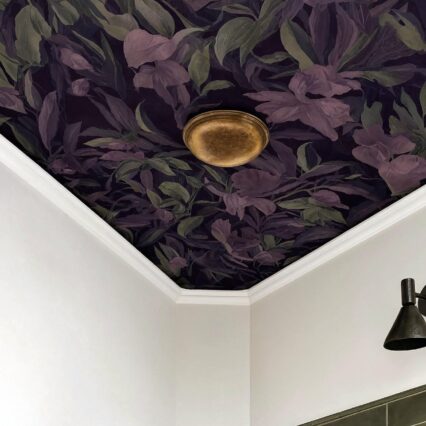
Bedroom inspiration for this look often shows walls filled to the ceiling. You can take a gentler route with one display cabinet across from the bed or a deep-colored ceiling.
Closed storage isn't a betrayal. It's where the charging cables go to become less irritating.
Warm plug-in lamps help the room settle after dark, and they avoid hardwiring. Use shades with solid color or a broad stripe so they can hold their own beside a patterned wall.
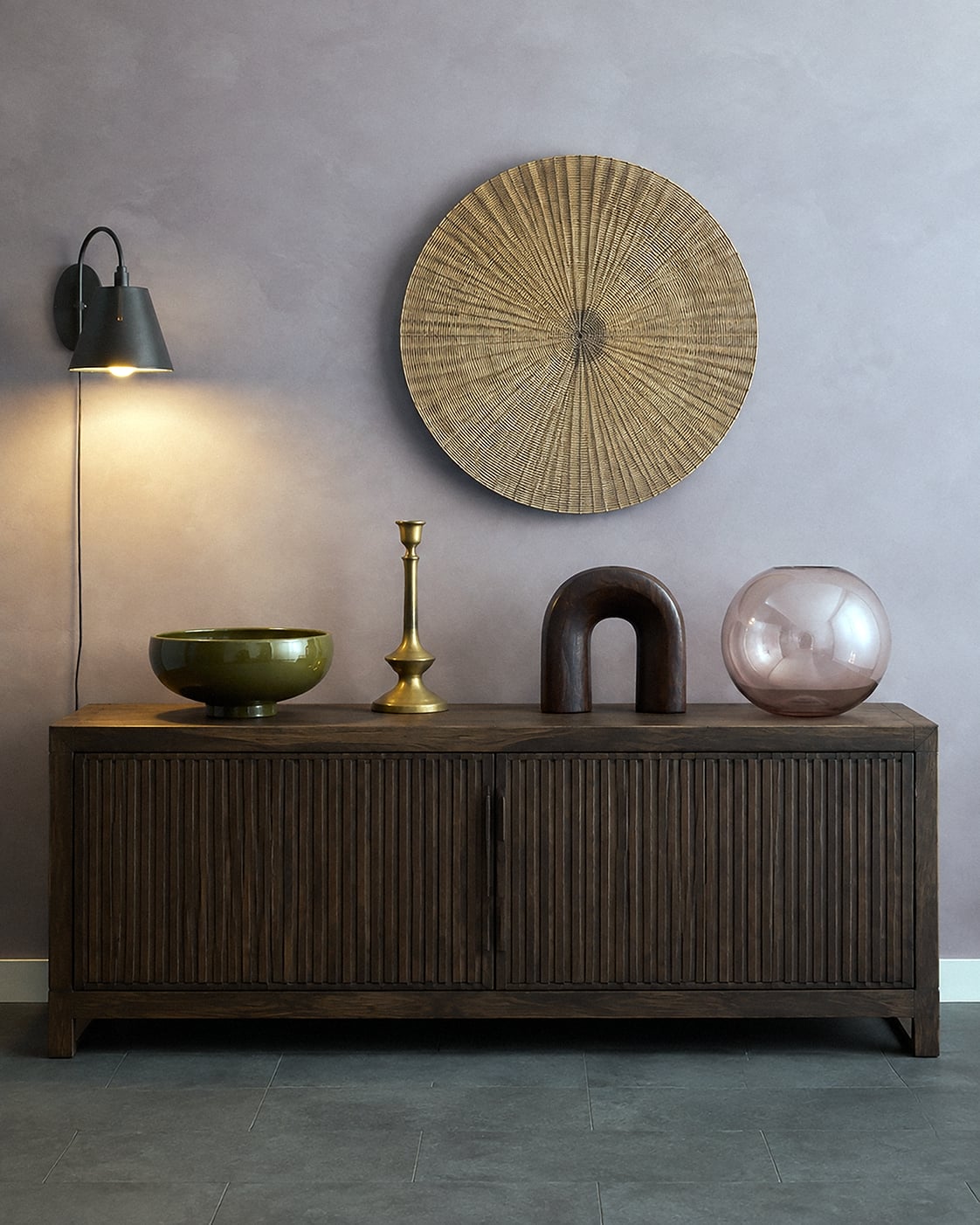
Edit by meaning, then by shape
When a room tips from full to frantic, resist the urge to clear everything. Start with the pieces that have no relationship to the room's main colors or collection. Move those aside, then compare silhouettes.
Five squat bowls lined up together can blur into one lumpy horizon. Keep a broad bowl beside a tall candlestick, or separate similar shapes across the room. The difference is rhythm, and rhythm is kinder than a purge.
Dust and care matter too. If maintaining the display feels impossible, reduce what sits in the open and use glass-front or closed cabinets for the rest. Your collections should be part of daily life rather than a second job with tiny ceramic employees.
Questions people ask about cluttercore decor
What does cluttercore mean in home decor?
Cluttercore is an expressive decorating approach that puts personal collections and visible abundance at the center of a room. It tends to feel more object-driven than a conventional maximalist room, though the two can overlap. Meaning and attachment matter as much as color.
How do you do cluttercore without making a room look messy?
Group objects by subject, color, material, or silhouette, and leave some visible surface around each group. Give practical clutter a closed home and protect walking routes. Keep daily-use surfaces functional while the room stays full.
What is the difference between maximalism and cluttercore?
Maximalism can create richness through broad pattern, saturated color, substantial furniture, and layered materials. Cluttercore leans harder into collections and the personal story carried by ordinary objects. In the overlap, lamplight settles across velvet and old wood, catching the rim of one odd little bowl you chose to keep.