If you're about to cover a rental wall because the label says "removable," pause. Read the lease before the backing paper hits the floor, and take a hard look at the wall you're trusting underneath.
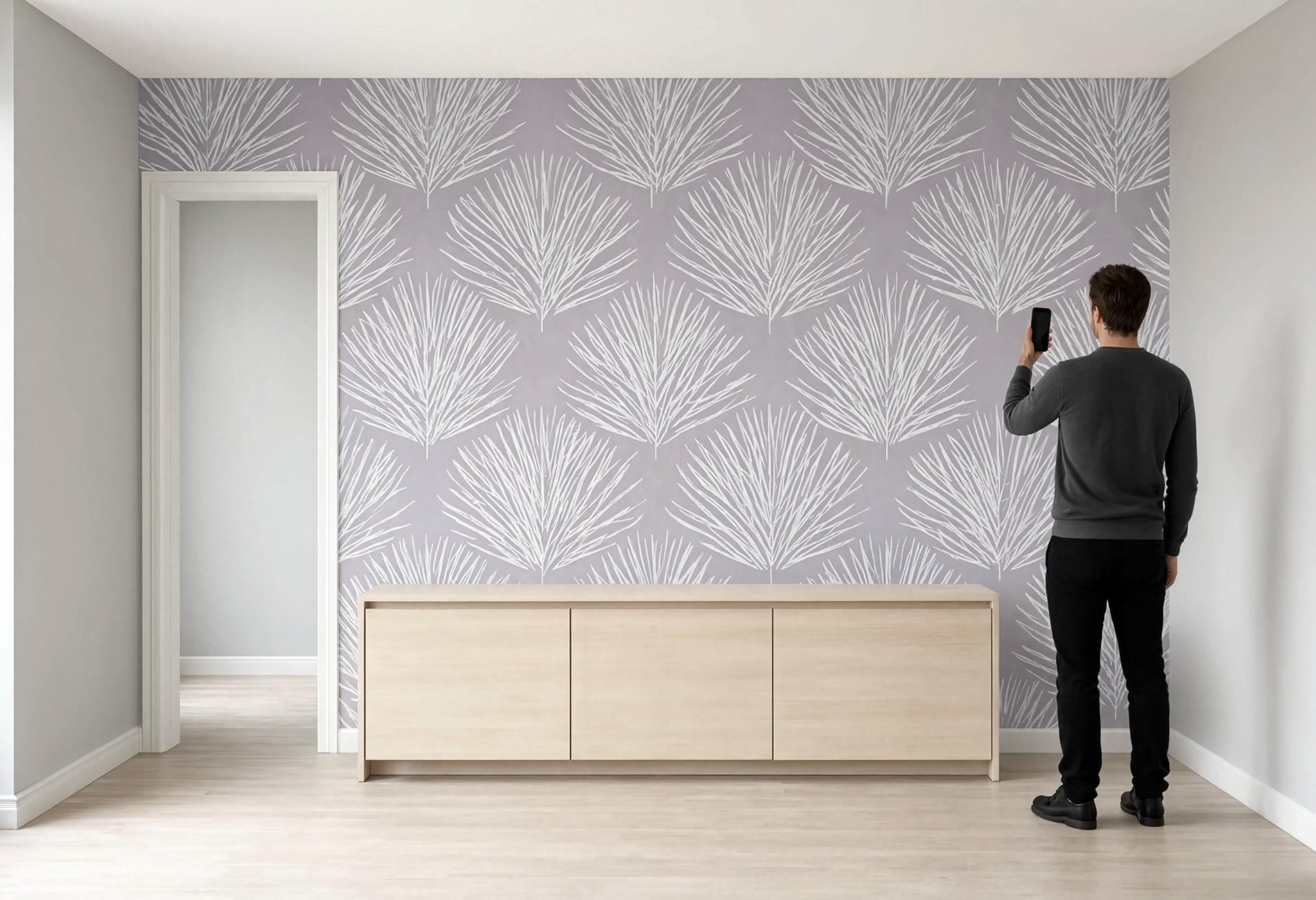
Renter friendly wallpaper can be a wonderful way to give a beige box some nerve. It can also pull weak paint, leave adhesive, or reveal a color difference after months on the wall. "Damage free" is a product claim. It can't promise anything about your particular paint and plaster.
The useful question isn't which roll has the most reassuring wording. Ask which option fits your lease, surface, room conditions, and tolerance for risk. That little shift saves a lot of wishful thinking.
Read the Lease Before You Fall for the Pattern
Start with the boring document. Leases, building rules, and local requirements vary, and removable wallpaper may still count as an alteration under your agreement. Ask the property manager in writing and save the response with your move-in records.
The HUD model lease for subsidized programs is one example, not a universal rule for rentals. Its alterations section requires prior written consent. Your own lease may use different language, so read the actual terms that govern your home and ask a local tenant resource or qualified legal professional if something important is unclear.
Can landlords tell if you use peel-and-stick wallpaper? They may. Seams, adhesive residue, lifted paint, a cleaner rectangle, or a difference in fading can remain visible. Written approval is far more useful than hoping a wall develops discretion.
A Hidden Test Tells You More Than the Front Label
Choose an inconspicuous area on the same wall and follow the manufacturer's directions for a small test. Leave it for the stated test period, then evaluate it exactly as the maker instructs. Take clear before photos of the wall and the test location while the surface is still untouched.
That test can reveal an obvious problem, but it can't guarantee the full wall will behave identically months later. Adhesive response may change with duration, heat, humidity, and the condition of different painted areas. A patch behind a door is evidence. It isn't a crystal ball wearing wallpaper.
The safest candidate is generally a sound, clean, smooth surface with well-bonded paint that has fully cured according to the paint maker. Fresh paint, chalky paint, flaking areas, repairs, and pronounced texture all add uncertainty. Paint quality and wall preparation from years ago matter, even when you had no control over either.
Removable Wallpaper Types Behave Differently
Peel-and-stick paper arrives with pressure-sensitive adhesive already on the back. It is convenient, but stronger grab isn't automatically friendlier to paint. Heavy-duty peel-and-stick may resist edge lifting in demanding conditions, yet that extra adhesion can raise the stakes on a weak coating.
Water-activated temporary wallpaper uses a backing that becomes adhesive when prepared according to its directions. Some renters prefer its handling and repositioning characteristics. Removal still depends on the product, the wall beneath it, room conditions, and how long it stays up.
Fabric-based renter friendly wallpaper can feel softer and may flex differently from paper or vinyl. The adhesive system remains the important part of the conversation. Fabric construction alone doesn't guarantee clean release.
Vinyl removable wallpaper offers a wipeable face and may suit certain busy areas when its maker approves the exact surface and setting. Vinyl also responds to heat and humidity, so the room matters as much as the pattern. There is no single material that wins on every wall.
Match Adhesive Strength to the Wall Beneath It
A lightly textured wall may give adhesive less continuous contact. An aggressive adhesive may grip the high points and still leave edges vulnerable; on weak paint, it may take the coating with it later. Those outcomes are possibilities rather than certainties, which is precisely why a hidden test matters.
Humidity can soften some adhesives or encourage edges to lift. Heat may change how a product holds or releases. Long duration can also affect the bond. Read the environmental limits and surface list supplied by the manufacturer instead of assuming a successful weekend test predicts next year's removal.
If you want the best removable wallpaper for renters, I think the answer is wonderfully unglamorous: the one approved for your exact sound surface, used within its instructions, after written lease permission and a satisfactory hidden test. The prettiest sample earns second place until it passes that audition.
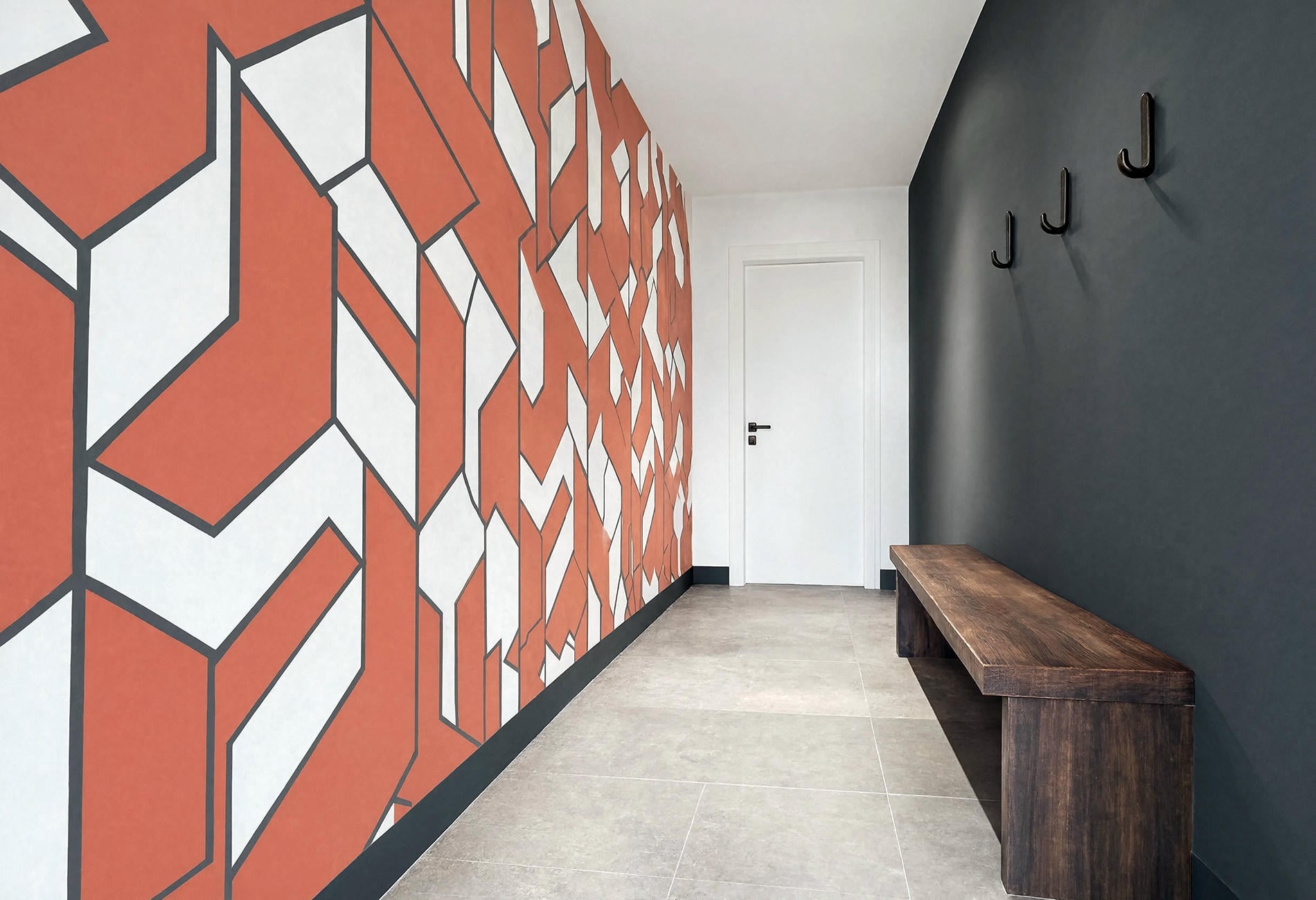
Kitchen Backsplash Wallpaper Needs a Stricter Boundary
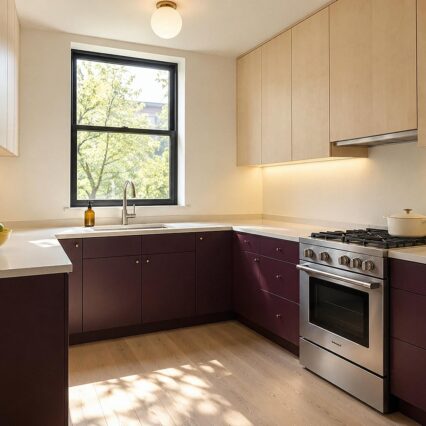
Vinyl removable wallpaper for a kitchen backsplash can add color to a dry counter run, provided the manufacturer approves the wall finish and that specific use. Keep it away from direct flame, cooktop heat, splashing water, and persistently wet zones. A wipeable face doesn't make the adhesive or wall underneath invincible.
Choose a boring stretch of counter if you have one. A dry beverage cabinet or display-free side counter may be a better candidate than the wall behind a range or sink. Follow the product's stated clearance and care requirements, since materials respond differently.
And remember that grease, steam, humidity, and cleaning can change the conditions over time. If the maker doesn't list your surface or setting, choose another idea. A wallpapered freestanding panel behind a console can give you the color without betting the kitchen wall.
Older or Damaged Paint Is a Stop Sign
Peeling, cracked, chalky, bubbled, or otherwise damaged coating needs the property manager's attention before wallpaper. If the building predates 1978, or its age and coating history are unknown, don't disturb the surface to investigate. This is a safety issue. Design can wait.
EPA warns that pre-1978 homes may contain lead-based paint and that disturbing it can create hazardous lead dust. For a rental, contact the property manager and ask for the relevant records or assessment. If work is needed, use a certified lead-safe professional; don't improvise removal or wall preparation.
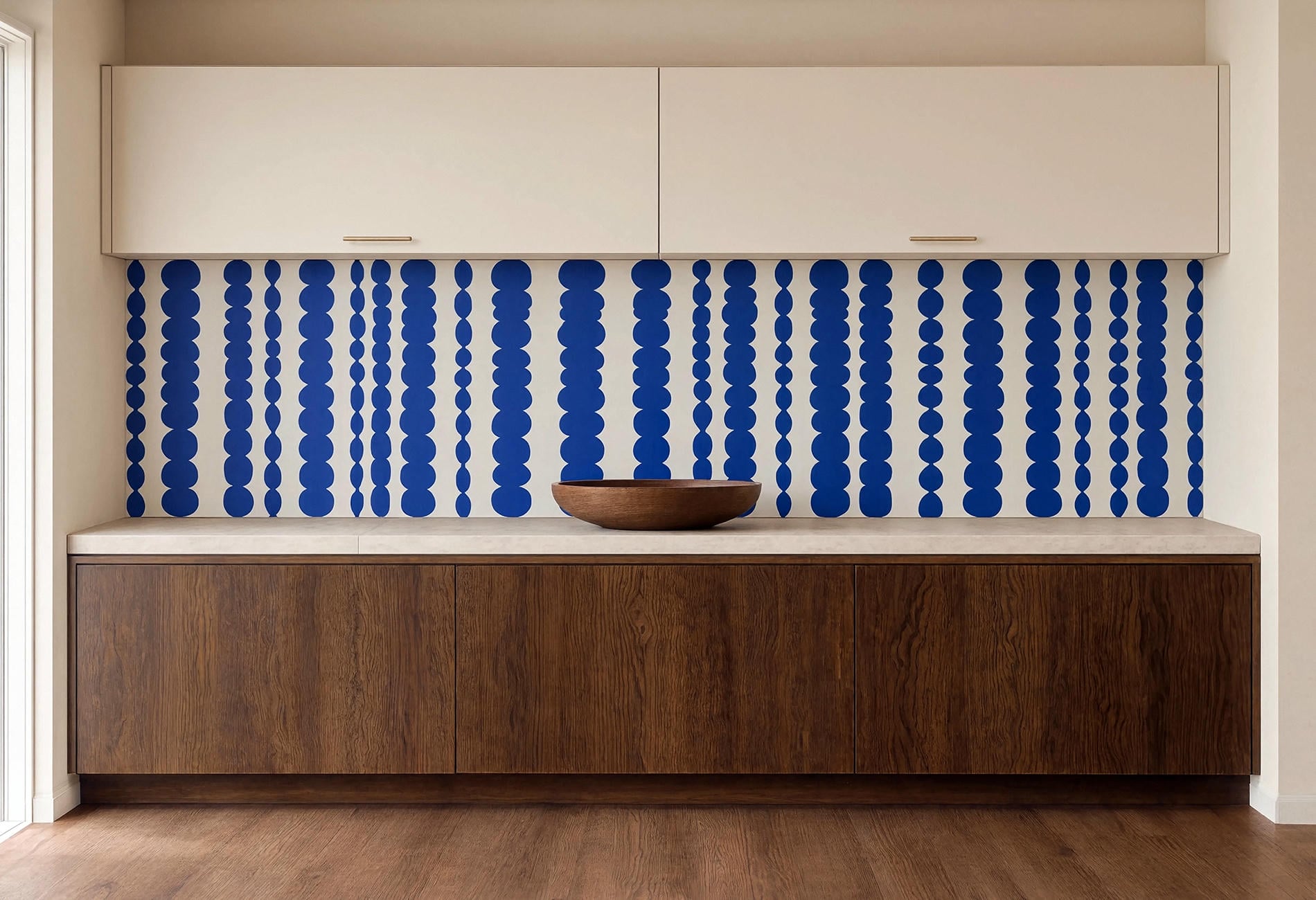
Wallpaper is supposed to make dinner look better from the next room. Creating dust or disturbing a questionable coating isn't worth it. A folding screen or wrapped freestanding panel is the smarter canvas when the wall itself raises concern.

Full Walls Aren't Your Only Option
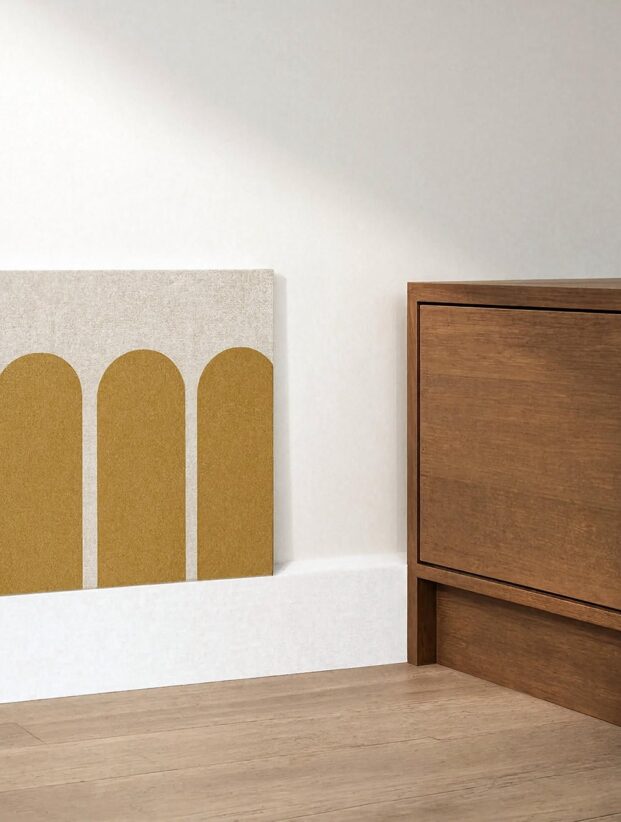
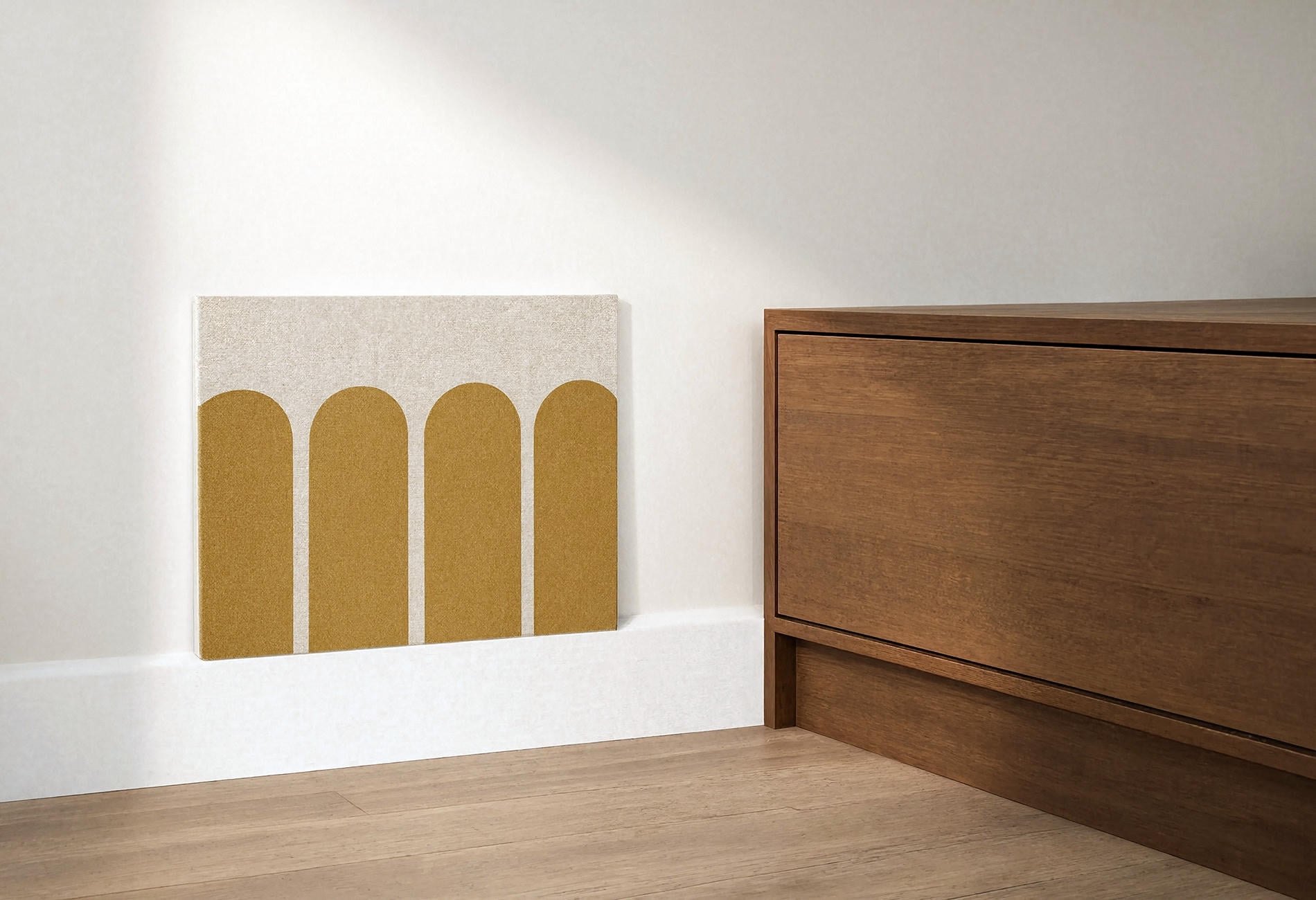
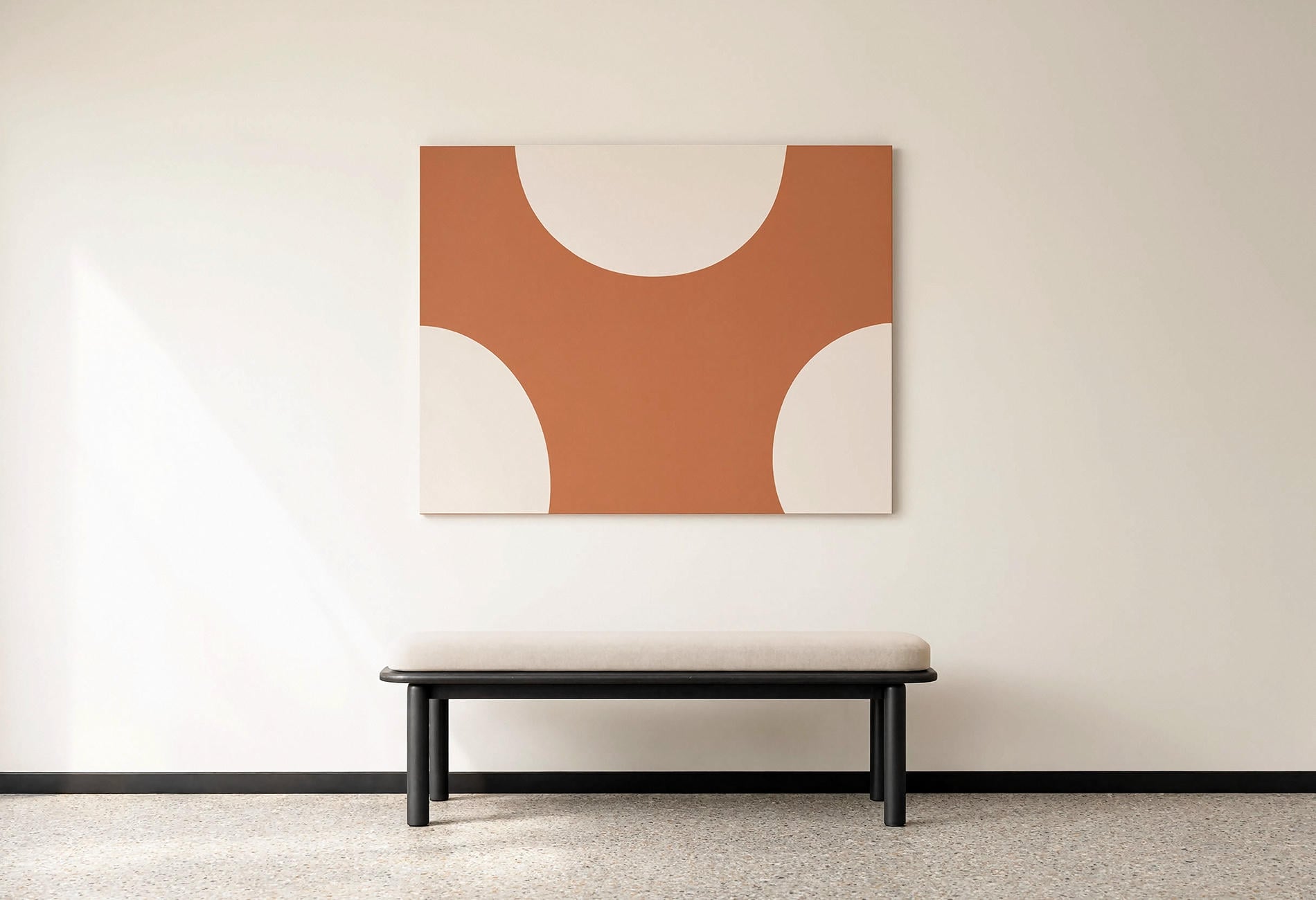
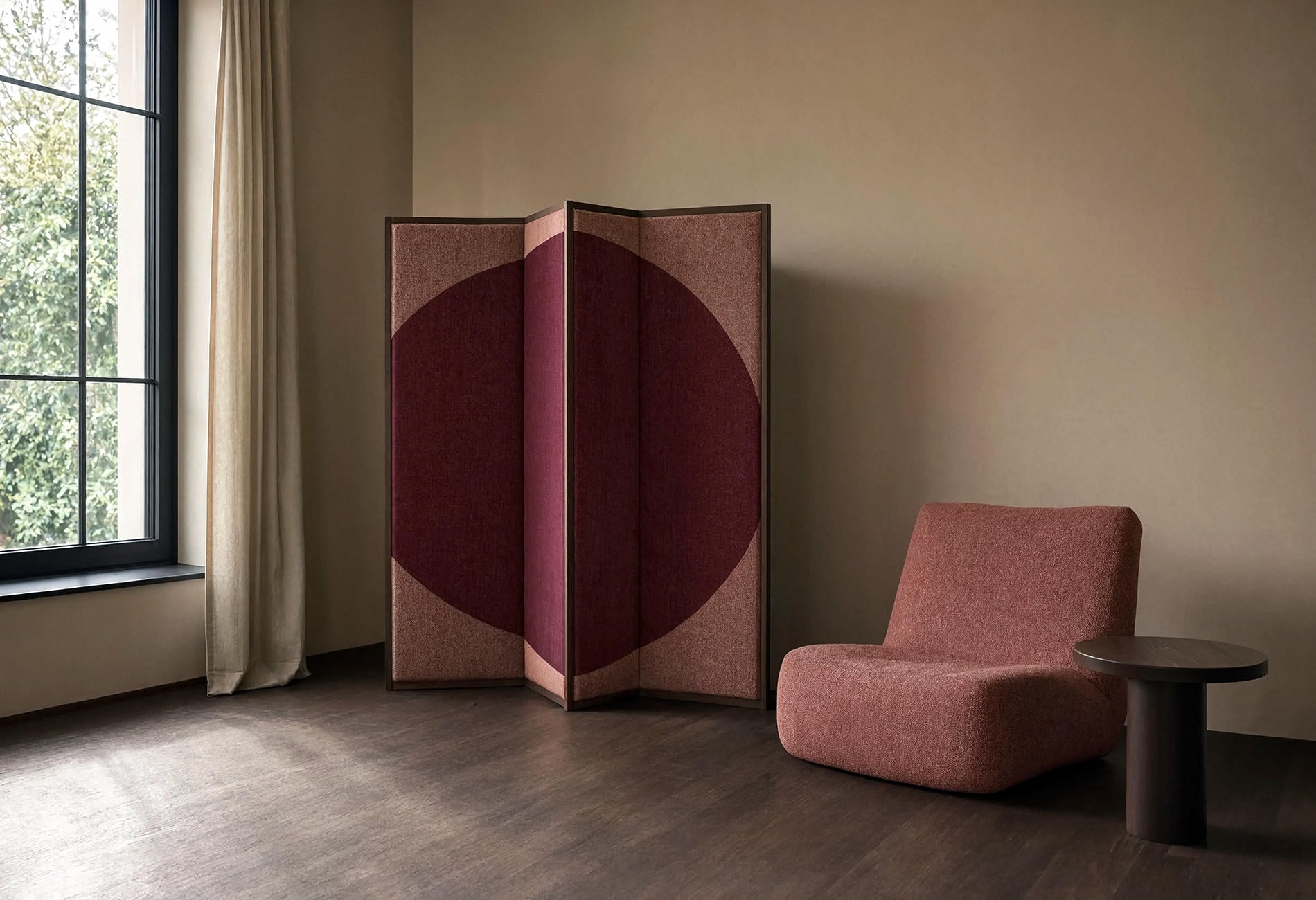
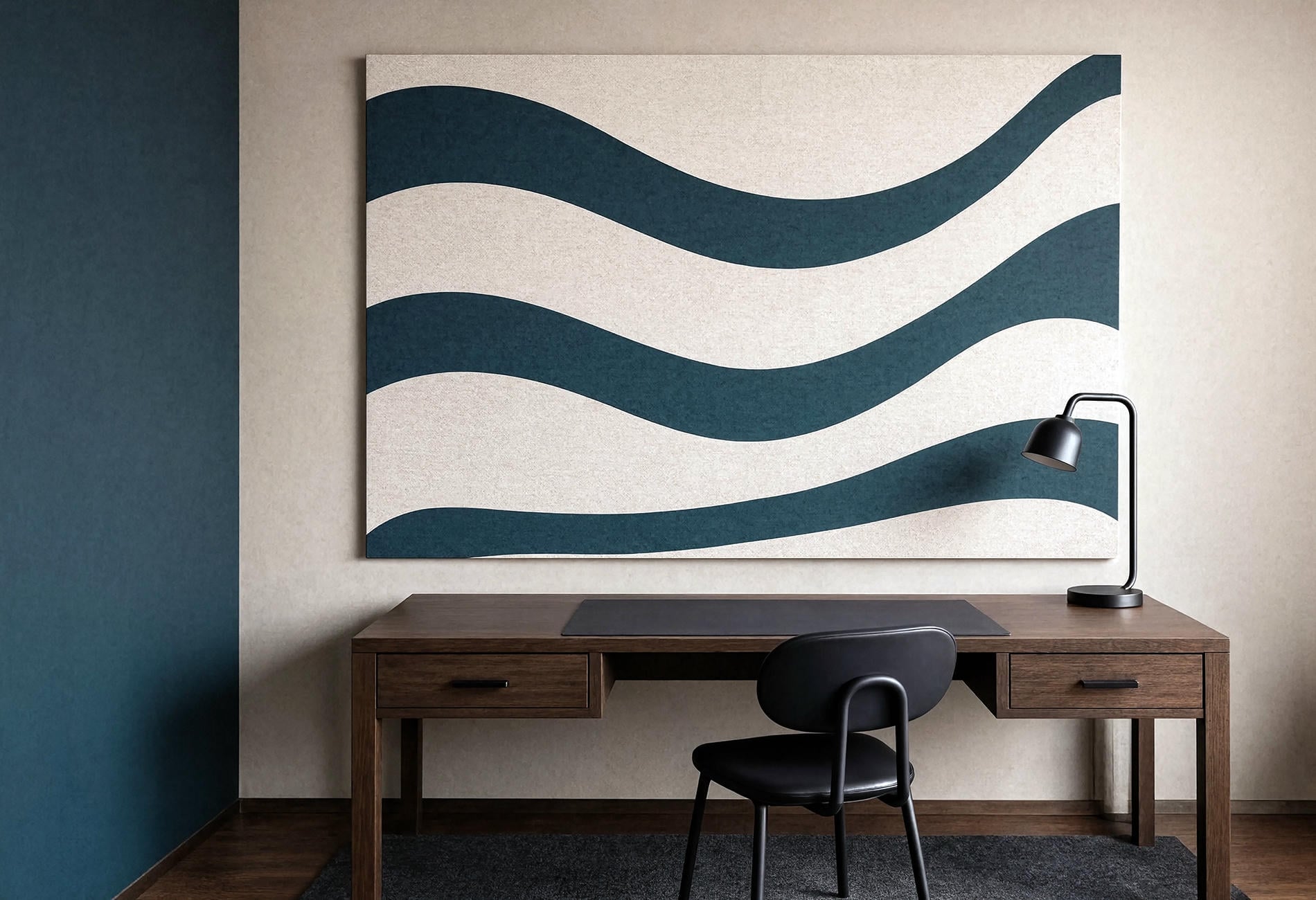
Smaller applications can carry a lot of personality while limiting the amount of wall involved. Try a manufacturer-approved panel behind a desk, a section inside furniture you own, or wallpaper mounted to a removable freestanding board. Each alternative still needs stable materials and careful adherence to product directions, but your rental wall can stay out of the experiment.
For a tiny room, one tall patterned panel often reads more clearly than several scattered scraps. Choose a large-scale motif with generous open background. Small busy prints have a way of making a narrow entry feel as if it has started vibrating.
Fabric-based material can be especially handsome on a portable screen because its surface has a woven softness. Secure it using the screen maker's and wallpaper maker's compatible method. Aim for a finished movable object that leaves the rental wall alone.
Plan the Exit Before Covering the Wall
Before installation, keep the written approval, product directions, purchase details, test photos, and full-wall before photos together. Five pieces of documentation feel mildly fussy now. At move-out, they may be the most attractive collection in the apartment.
Follow only the manufacturer's removal directions for that exact product and surface. If the material resists, paint lifts, or the coating looks unstable, stop and contact the property manager. This isn't the moment to invent a technique involving force, chemicals, or an appliance from the kitchen drawer.
Does renter friendly wallpaper really come off? It can release cleanly under suitable conditions. It can also leave residue or affect paint, depending on surface soundness, paint cure and quality, wall texture, adhesive, humidity, heat, and duration. Any answer that skips those variables is selling confidence rather than giving you useful advice.
Questions About Temporary Wallpaper in Rentals
What is the most renter friendly wallpaper?
There is no universal winner. Look for a product approved for your exact wall finish and room conditions, then get written permission and complete a hidden manufacturer-directed test. A lighter commitment on a small area may suit a cautious renter better than a full wall.
Does removable wallpaper damage paint?
It can, although some installations release without obvious damage. Results depend on the soundness and cure of the paint, texture, adhesive, humidity, heat, and time on the wall. Weak, fresh, unknown, or damaged coatings deserve extra caution.
Can I use peel-and-stick wallpaper without telling my landlord?
Check your lease and applicable local rules, because terms vary. Written approval gives you a clear record and a chance to confirm any conditions before work begins. The absence of a nail doesn't automatically mean the change is permitted.
What if my landlord says no to wallpaper?
Let the wall be boring. Put the pattern on a freestanding screen or removable panel that doesn't attach to the rental surface, and enjoy the fact that your deposit isn't auditioning for a thriller.