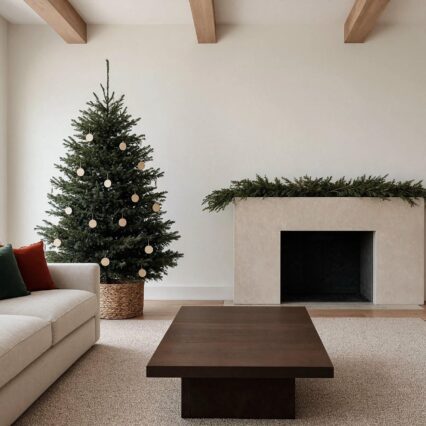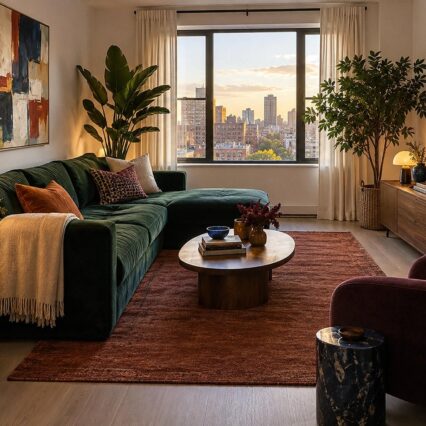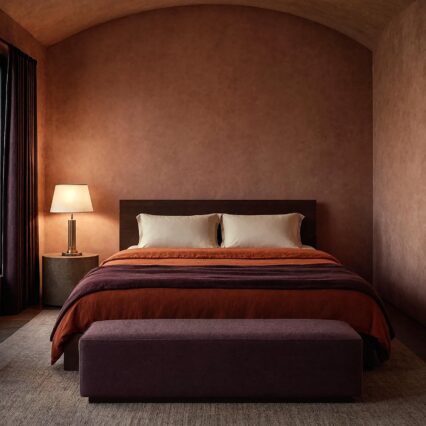
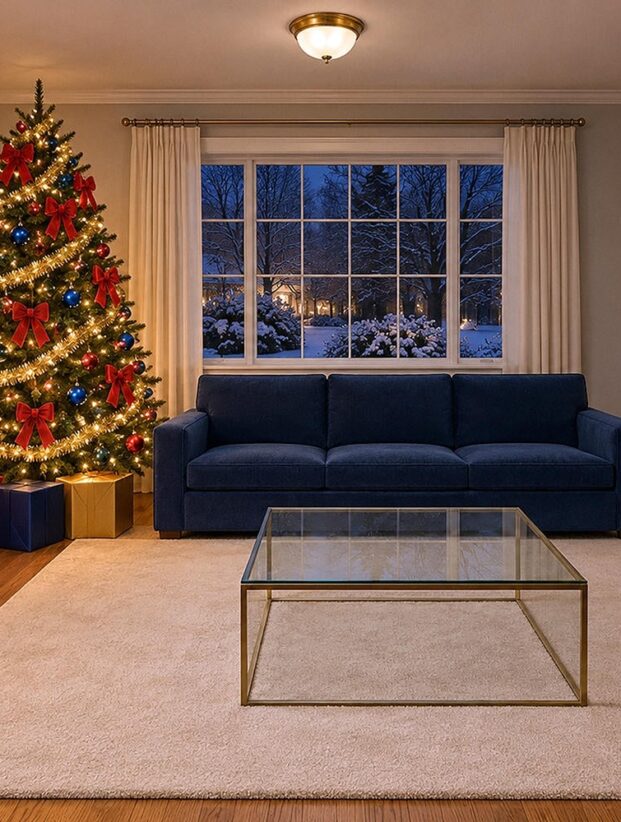
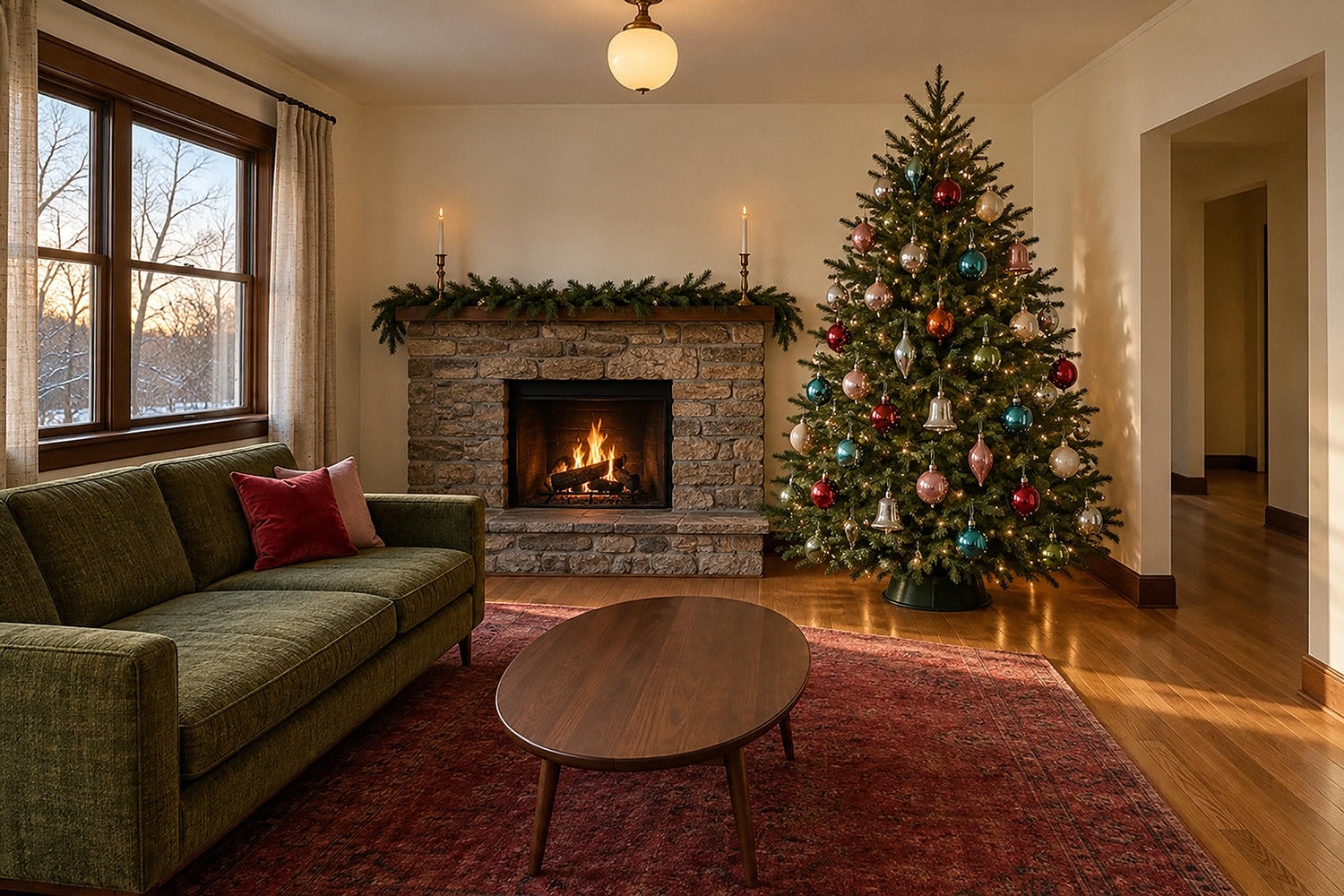
Before the decorating started, the room was pleasant but forgettable: a green sofa, a quiet mantel, a fir tree waiting in the corner. Then came the glass ornaments, the warm colored bulbs, the little ceramic houses, and one wonderfully unapologetic tinsel garland.
The room did not become polished. It became personal.
That is the real appeal of vintage Christmas decor. It recalls the handmade, the saved, and the slightly theatrical without demanding a museum-perfect collection. The best version mixes old pieces with modern restraint, letting a few recognizable forms carry the memory while the room around them stays easy to live in.
Pick a Decade, Then Let It Lead
Vintage can describe a hundred different moods, so begin by choosing one period to set the rhythm. A 1950s Christmas leans toward silvered glass ornaments, bright reds, candy pink, turquoise, aluminum accents, and sculptural ceramic trees. An older, traditional room may favor carved wood, brass candlesticks, deep green ribbon, dried citrus, and worn paper decorations. A 1980s-inspired scheme (think less Stranger Things Demogorgon, more National Lampoon's Christmas Vacation) can welcome glossy bows, fuller garlands, jewel colors, and cheerful abundance.
You do not have to keep every item historically exact. Think of the chosen decade as the lead singer, not the entire choir. If the tree carries mid-century color, keep the mantel quieter. If an exuberant 1980s garland owns the staircase, give nearby surfaces room to breathe.
Build the Tree Around Three Repeating Shapes
The easiest way to decorate a vintage Christmas tree is to repeat a few clear shapes. Try round glass baubles, elongated drops, and simple bells. A limited shape family makes ornaments collected over time feel related even when their colors and finishes vary.
Place the largest pieces first, stepping back after every few branches. Then add medium ornaments, followed by the smallest ones near the outer tips. If you use tinsel, let it fall in separate strands rather than winding it like rope. The irregular shimmer is part of the charm.
Keep the palette specific. Cherry red, faded pink, turquoise, and silver feel distinctly retro. Burgundy, forest green, aged gold, and cream feel older and more formal. Combining every nostalgic color at once can blur the story.
Old electrical strings deserve caution. Brittle cords, loose sockets, heat damage, or unknown repairs can create shock and fire risks. Have genuinely old lighting evaluated by a qualified professional, or use a modern certified reproduction that gives the visual effect without relying on aging wiring.
Let One Ceramic Tree Be the Mantel Star
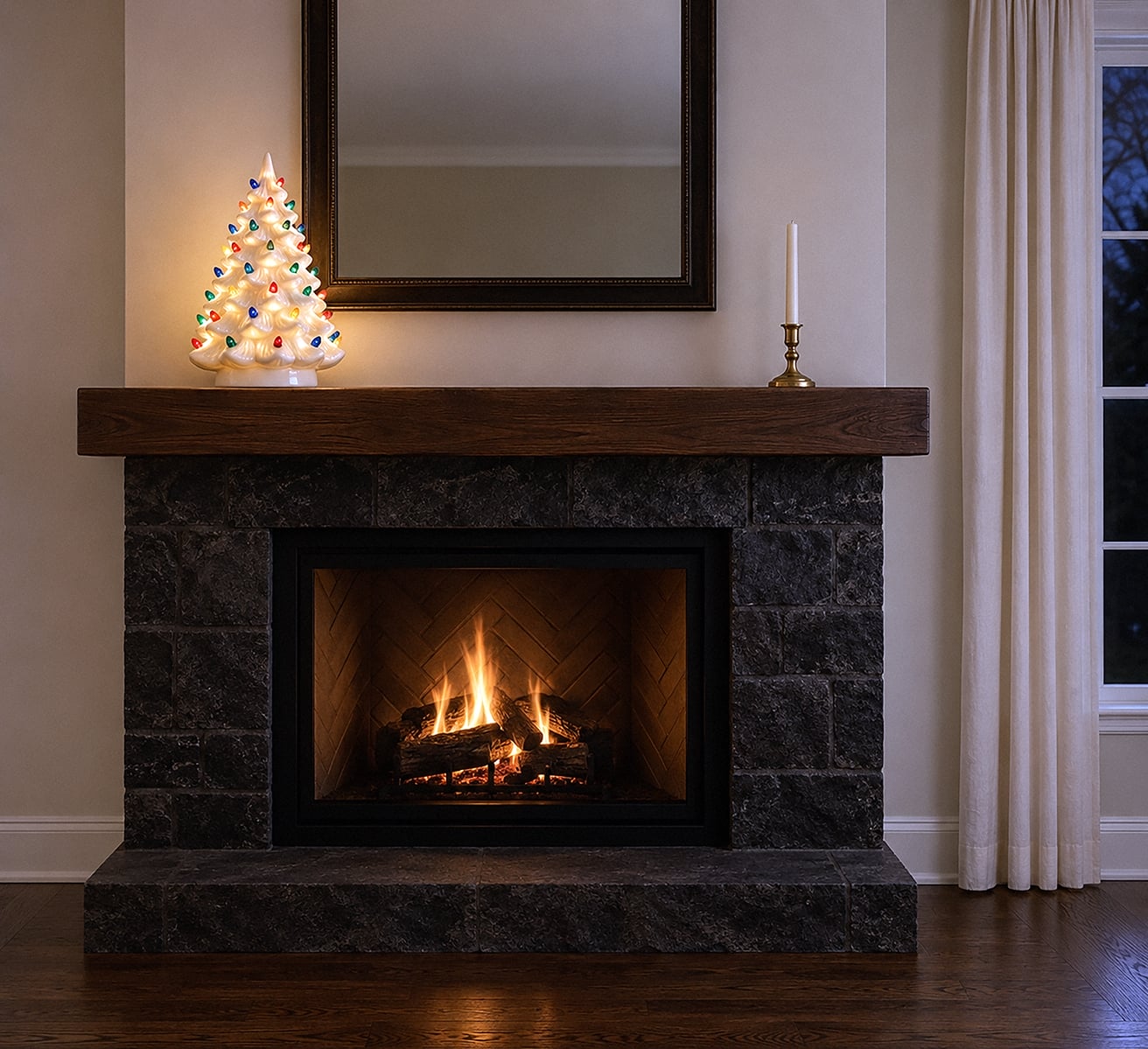
A vintage ceramic Christmas tree has enough silhouette and glow to carry a mantel almost alone. Center one substantial tree, or place it slightly off-center with a low brass candlestick on the opposite side. Leave the rest of the shelf open.
This restraint matters because perforated ceramic trees already contain color, shine, and pattern. Surrounding one with miniature signs, tiny frames, figurines, and garland makes the eye work too hard. A plain painted wall, a dark mirror, or simple paneling gives the piece the contrast it needs.
If the tree is an older electrical piece, apply the same wiring caution you would use with vintage light strings. Nostalgia is lovely; mystery heat behind a dry garland is not.
Make a Christmas Village Read Like a Place
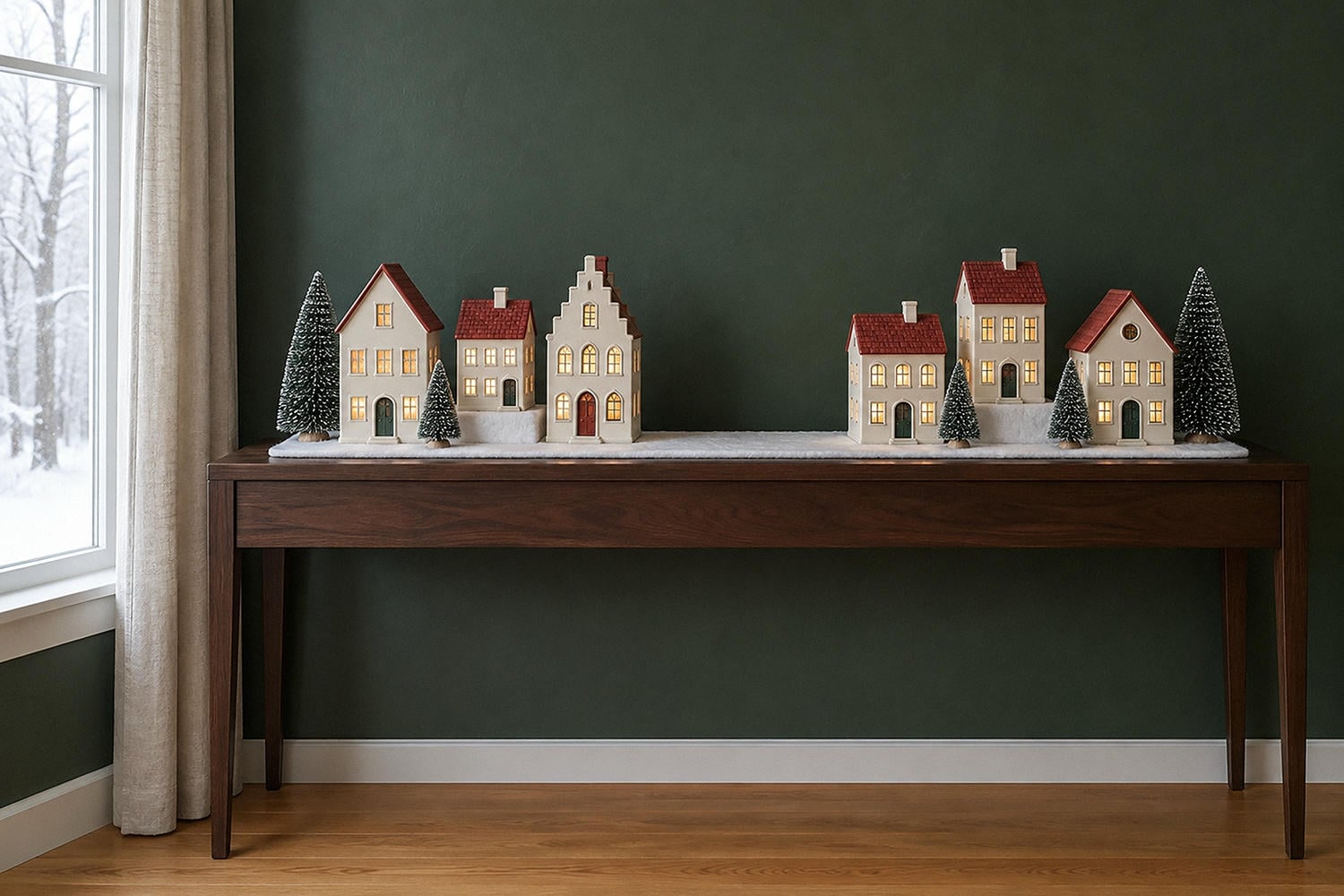
The most convincing village display has streets, space, and a visible edge. Set five to seven ceramic houses on a console or deep shelf, then vary their height with sturdy hidden risers. Leave a narrow lane between two groups so the arrangement feels navigable instead of packed.
Use one ground material, such as plain white felt or a sheet of textured batting, and keep it safely away from hot bulbs. A few bottle-brush trees can establish scale, but stop before every empty patch receives one. The eye needs open snow.
To display a vintage Christmas village neatly, hide modern cords behind the console and keep plugs accessible. Avoid burying electrical connections beneath fabric. If the collection is large, rotate half of it each year. The pieces you do show will feel more special, and setup will not become a municipal infrastructure project.
Bring 1950s Cheer Into the Kitchen
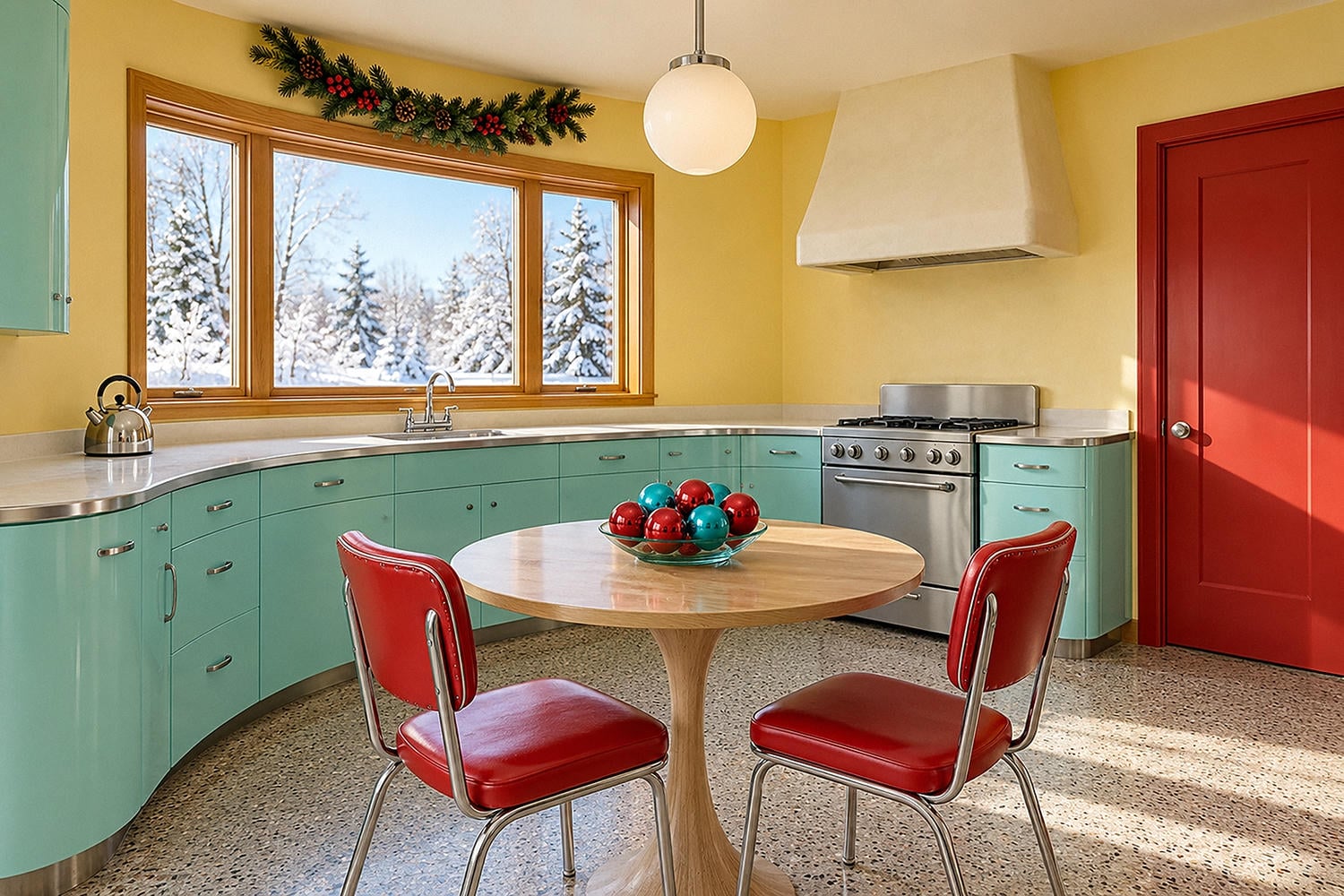
A retro kitchen does not need to become a diner set. Start with one strong color block: aqua cabinet fronts, a cherry-red door, or butter-yellow stools. Add a short evergreen swag, one bowl of glass ornaments, and a checked linen in two colors.
Rounded forms help. A globe pendant, curved cabinet corners, or a small pedestal table carries the decade even before decorations arrive. Chrome can add sparkle, but use it as a line rather than a theme.
Keep food-preparation surfaces mostly clear and place fragile glass away from sink edges and active burners. The room should still work when dinner is late and every mixing bowl has somehow joined the project.
Use Old-Fashioned Decor at the Entry
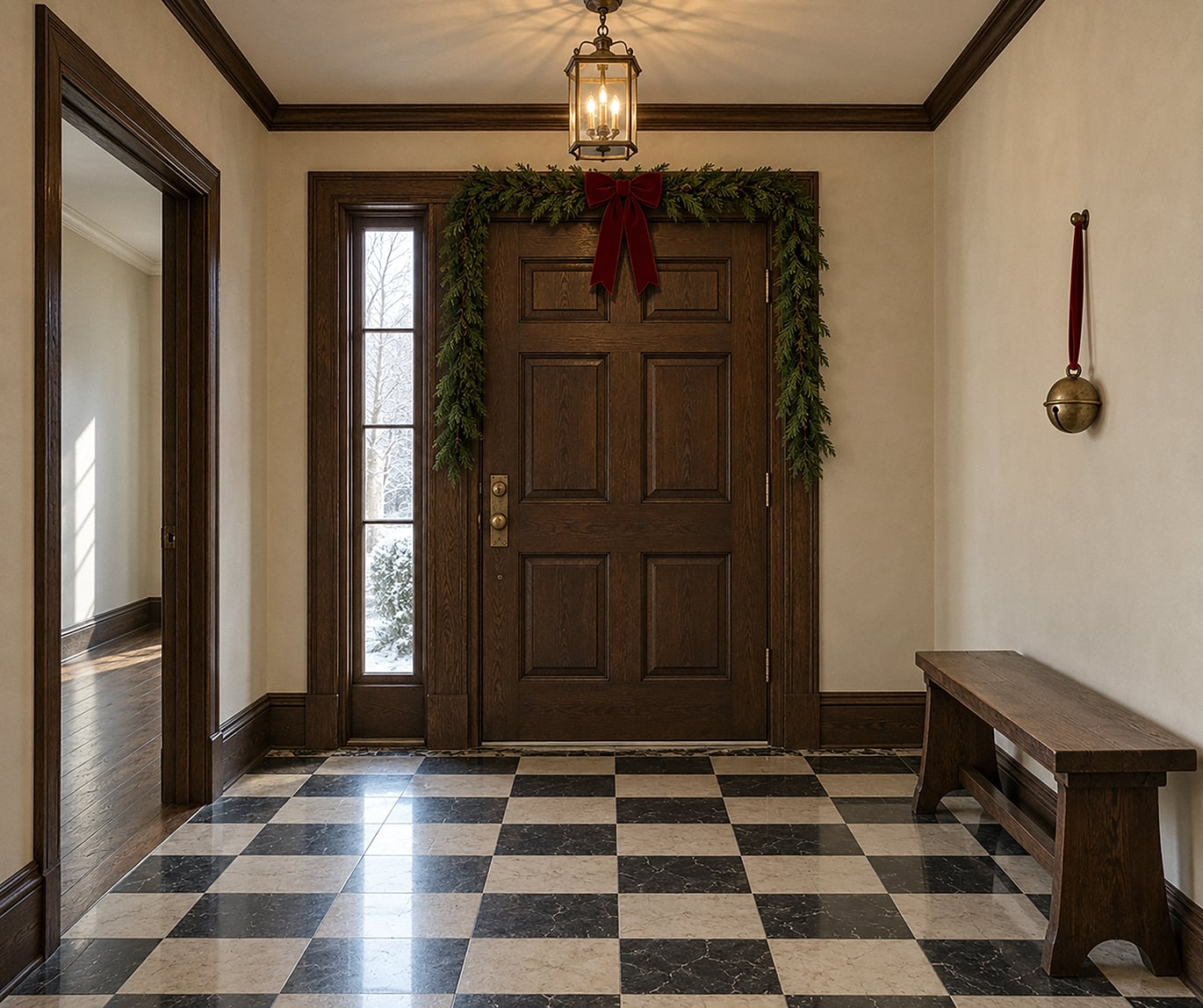
An entry can hold the quieter side of nostalgic Christmas decorations. A dark wood bench, a restrained cedar garland, a brass bell, and a broad oxblood ribbon create a traditional welcome without consuming the walkway.
Scale the arrangement to the architecture. A tall doorway can handle a full garland around the frame; a compact hall often looks better with one wreath or a single swag. Keep handrails, door swings, and walking paths completely clear.
Natural greenery dries over time, especially near heaters. Check it regularly, keep it away from flames and hot fixtures, and replace it when brittle. A high-quality faux garland can be the more practical choice in a warm or busy entry.

Treat Bubble-Style Lights as Jewelry
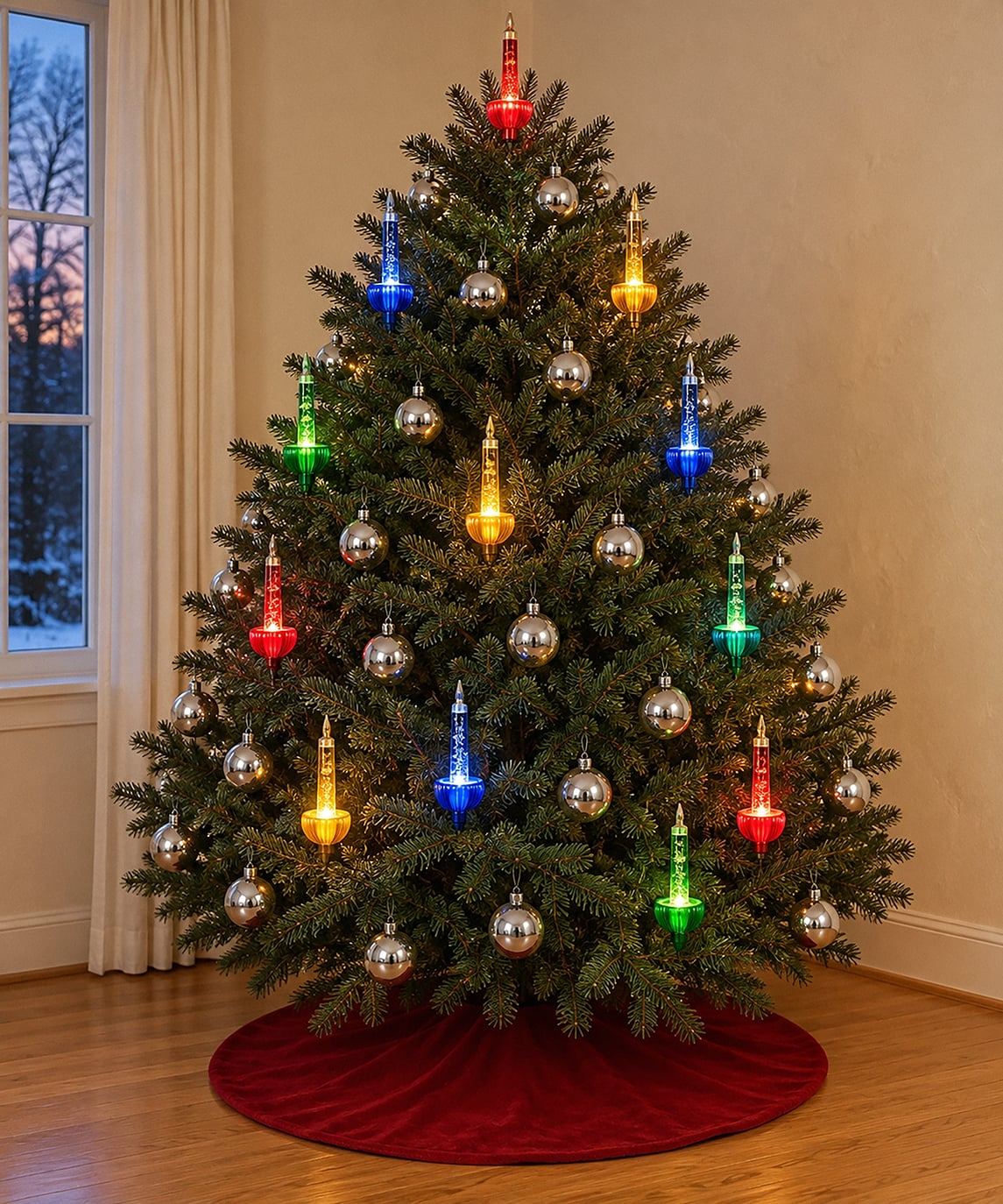
Candle-shaped bubbling lights create an unmistakable retro outline. They are visually busy, so they work best on a tree with fewer ornament types and little or no additional garland. Let the upright colored bulbs form the repeating pattern.
For the look without using old equipment, choose current lights made to evoke the period and follow the manufacturer's placement and use instructions. Keep bulbs clear of fabric, paper, dried greenery, and crowded branches. If children or pets use the room, consider whether a lower, more protected placement is realistic before committing to fragile ornaments or unusual bulbs.
The goal is a warm, animated sparkle, not a tree that makes you nervous every time you leave the room.
Give 1980s Nostalgia One Confident Moment
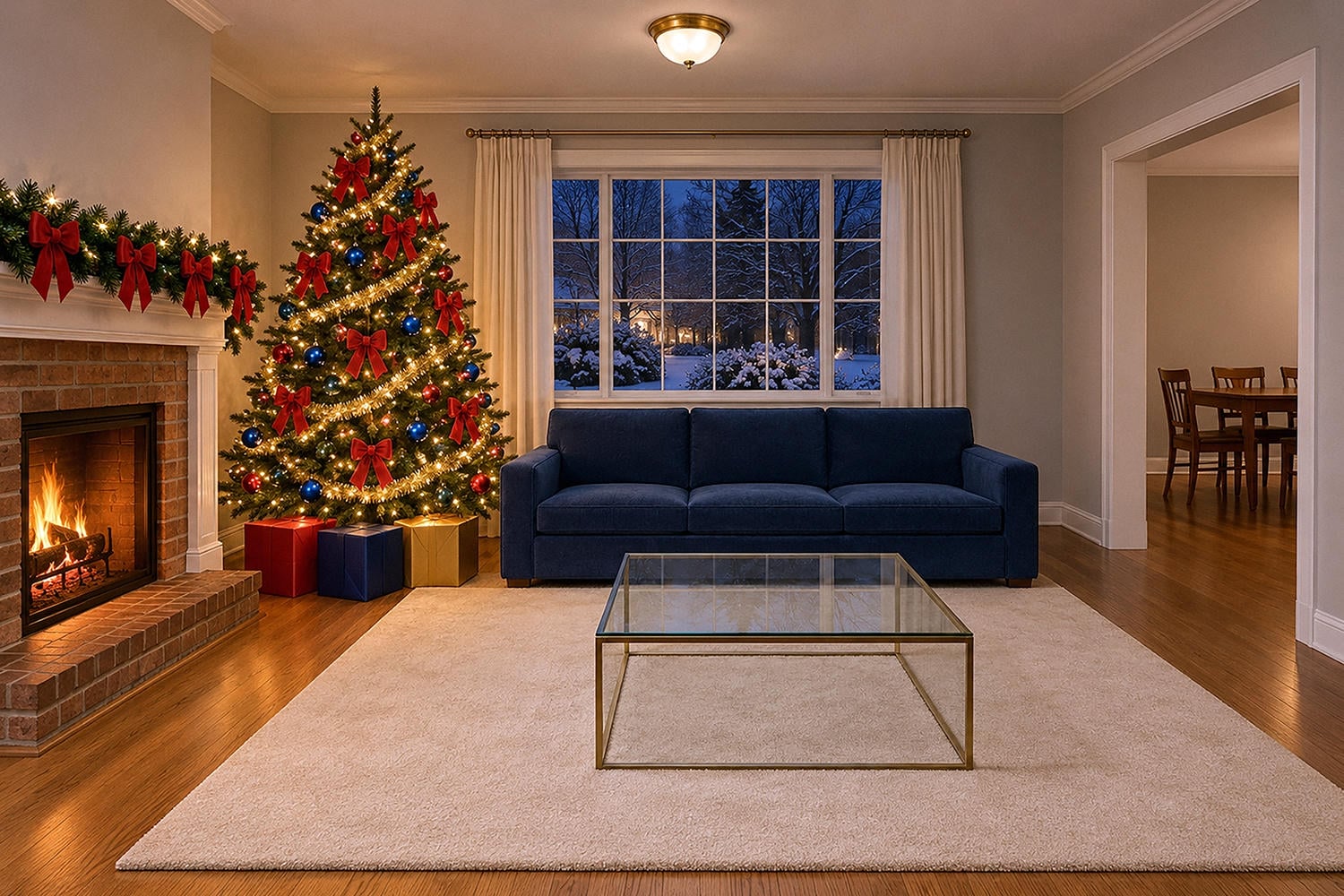
Nostalgic 1980s Christmas decor is fuller, glossier, and less shy. This is the place for jewel-toned satin bows, dense green garland, shiny wrapped boxes, and a tree with a generous silhouette. What keeps the look appealing is a calm room around it.
Choose one zone for the abundance. Let the tree and adjacent mantel share the saturated color while the coffee table stays bare and the upholstery remains solid. Repeat two colors, perhaps ruby and cobalt, rather than introducing a different accent on every object.
There is no need to apologize for the shine. A nostalgic room can be exuberant and still edited. The edit is simply deciding where the celebration begins and where it stops.
Questions About Decorating With Vintage Christmas Pieces
How do you decorate a vintage Christmas tree?
Choose one leading decade and a limited palette, then repeat two or three ornament shapes. Place large ornaments first, keep fragile pieces higher where needed, and use modern certified lights if older wiring is questionable.
What are the most popular vintage Christmas decorations?
The most recognizable categories include silvered glass ornaments, ceramic light-up trees, miniature ceramic villages, candle-shaped bubbling lights, tinsel, bottle-brush trees, bells, and period-style bows. Popularity varies, but these forms communicate nostalgia quickly.
How do you display a vintage Christmas village?
Use a deep console or shelf, group five to seven houses with open space between them, and create gentle height changes with stable hidden risers. Keep cords accessible and electrical connections uncovered.
Can you mix Christmas decorations from different decades?
Yes. Let one decade lead, then connect pieces from other periods through repeated color, material, or shape. If the tree is exuberant, keep the surrounding surfaces simpler. The small glow from a ceramic tree across a quiet room can carry more memory than a dozen crowded displays.