Why can two rooms have floral fabric, dark wood, a pleated lampshade, and a skirted sofa -- yet one feels like a polished drawing room and the other feels like tea should arrive in a slightly chipped mug?
That is the useful difference between grandmillennial and grandmacore. Grandmillennial usually treats old-fashioned details with a crisp, edited hand. Grandmacore tends to welcome the softer domestic mood around those details: quilts in reach, visible mending, warm color, and furniture that looks happier after a decade of use.
These are informal internet decor labels, so nobody issues citations for improper skirt pleats. Their borders shift from one writer or room to another, and the overlap is real. Think of them as two settings on the same nostalgia dial rather than rival countries with customs officers.
The quickest distinction is polish versus looseness
Put the rooms side by side and the family resemblance is obvious. Both can use inherited-looking furniture, patterned cloth, traditional shapes, and colors with some age in their voice. The difference lives in the editing.
| Design clue | Grandmillennial | Grandmacore | | --- | --- | --- | | Overall mood | Tailored and knowingly traditional | Homier, softer, and more sentimental | | Pattern | Florals, checks, or stripes placed with control | Florals and patchwork allowed to mingle more freely | | Furniture | Classic silhouettes with cleaner spacing | Worn wood and cushioned pieces with visible age | | Surfaces | A few deliberate objects, often balanced | Useful domestic objects may stay in view | | Fastest tell | The room feels edited | The room feels gathered over time |
Neither style requires clutter. And neither belongs only in an old house. A square rental room can carry the idea through one skirted chair and a shaded lamp, while a rambling cottage can still miss the point if it is packed with generic "vintage" filler.
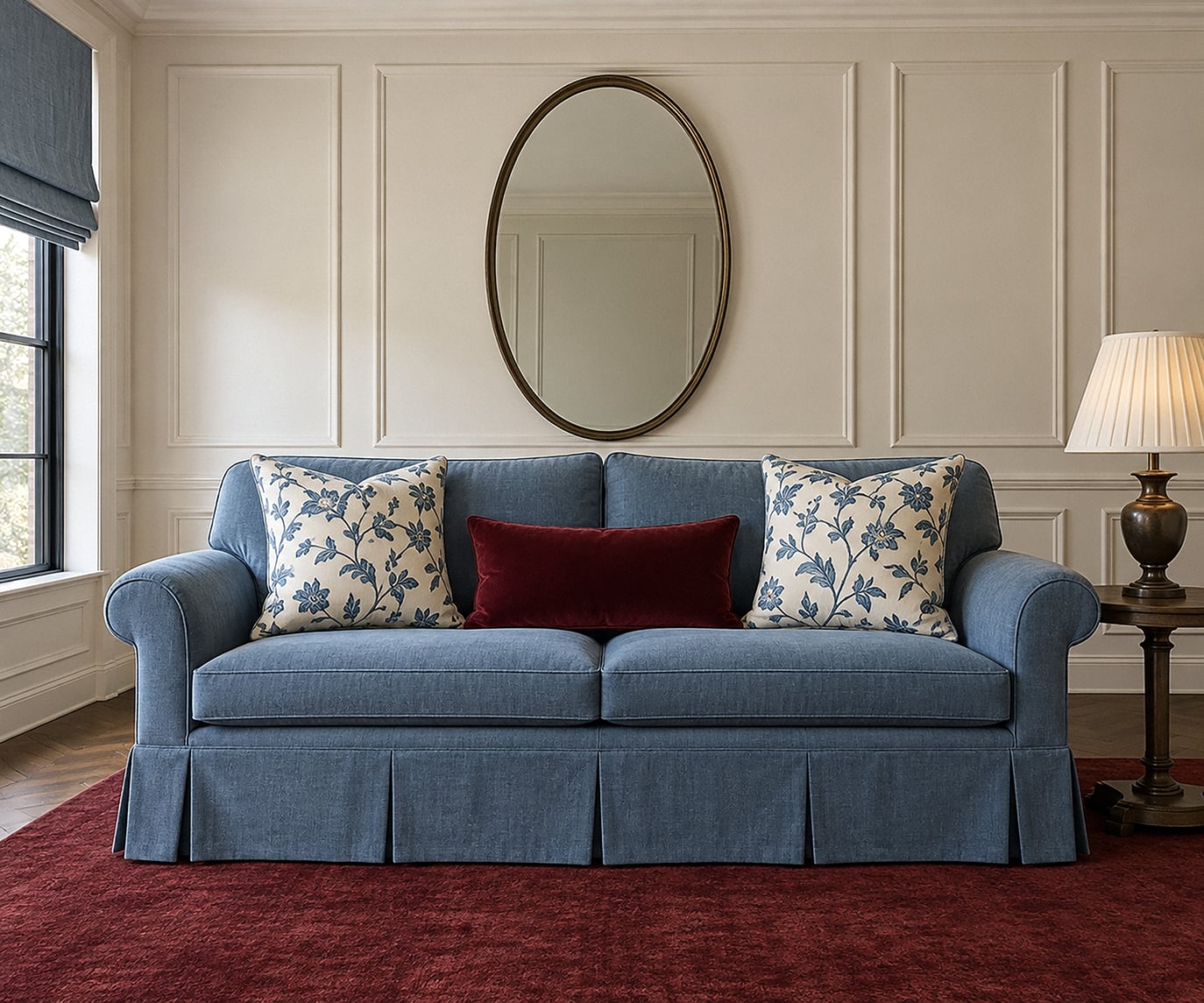
Grandmillennial wears tradition with a sharper collar
House Beautiful writer Emma Bazilian coined the term grandmillennial in 2019 to describe younger decorators deliberately bringing back traditional details that had been dismissed as dated. That origin helps explain the wink in the look. You know the floral fabric could read old-fashioned, and you choose the especially good version anyway.
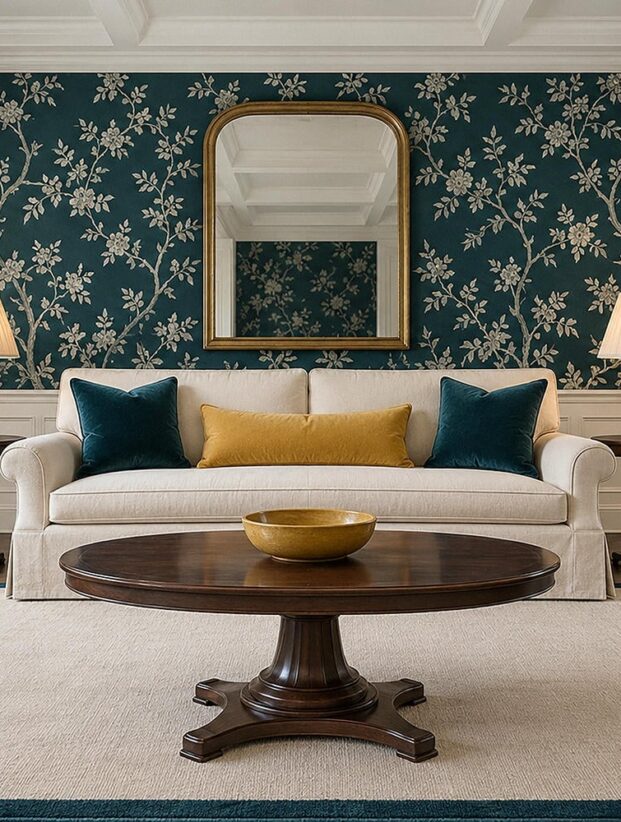
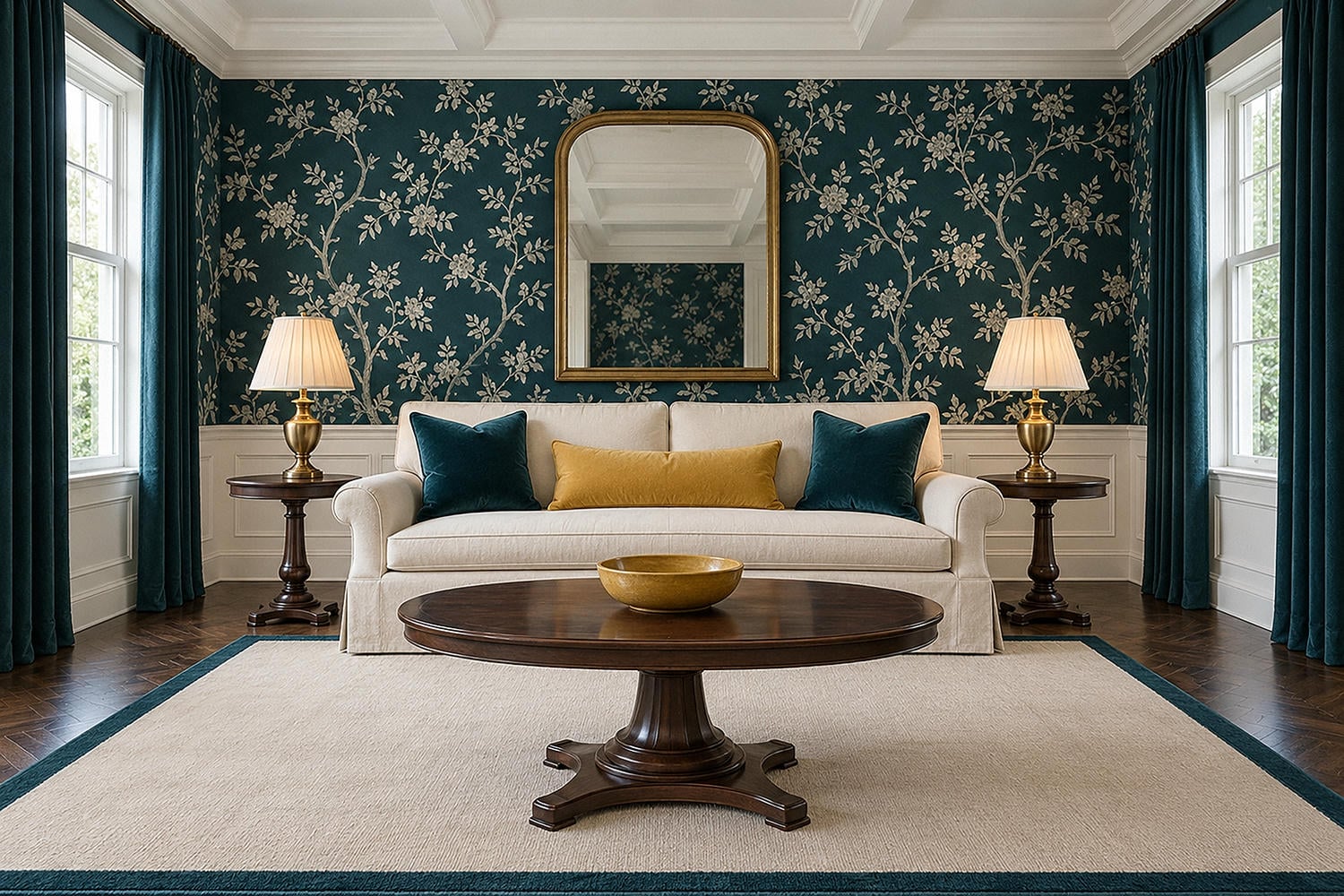
Grandmillennial decor ideas often begin with structure: a rolled-arm sofa, painted millwork, a dark wood table, or a symmetrical pair of lamps. Pattern enters as a strong decision rather than a general fog. One broad botanical, one stripe, and a solid ground can give the room energy without making every surface compete.
To my eye, tailoring is the key. Box pleats fall straight, pillow edges look crisp, lamps arrive in pairs, and the furniture arrangement has a certain posture. Even a ruffled detail behaves itself.
This is tradition after it has found a very competent alterations person.
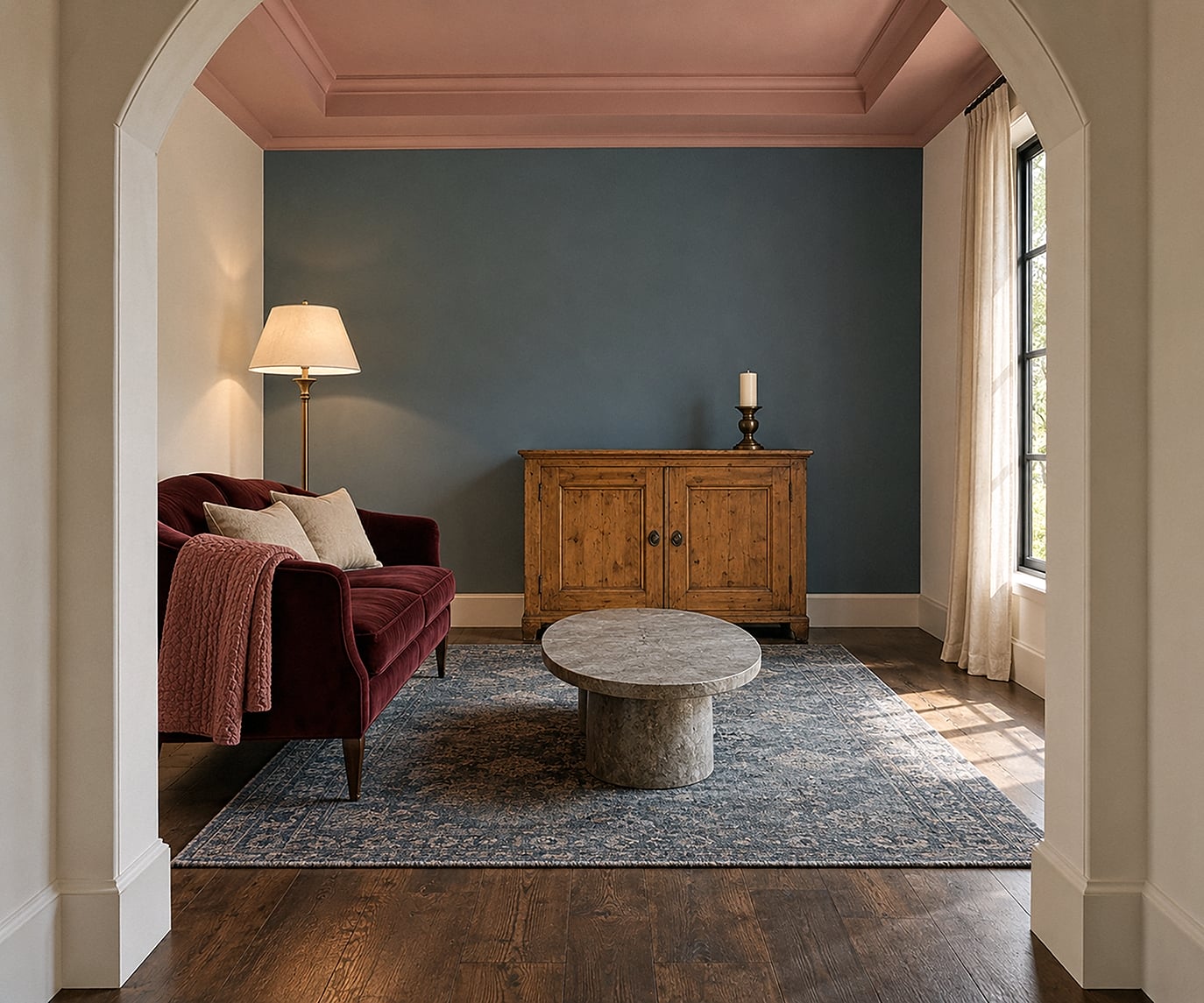
Color can be clear and gutsy. Try deep blue with chalk white or burgundy beside dusty rose. Leaf green also sits beautifully against warm wood, to my eye.
Pale pastels aren't mandatory, and brown furniture deserves better than being treated like a family embarrassment.
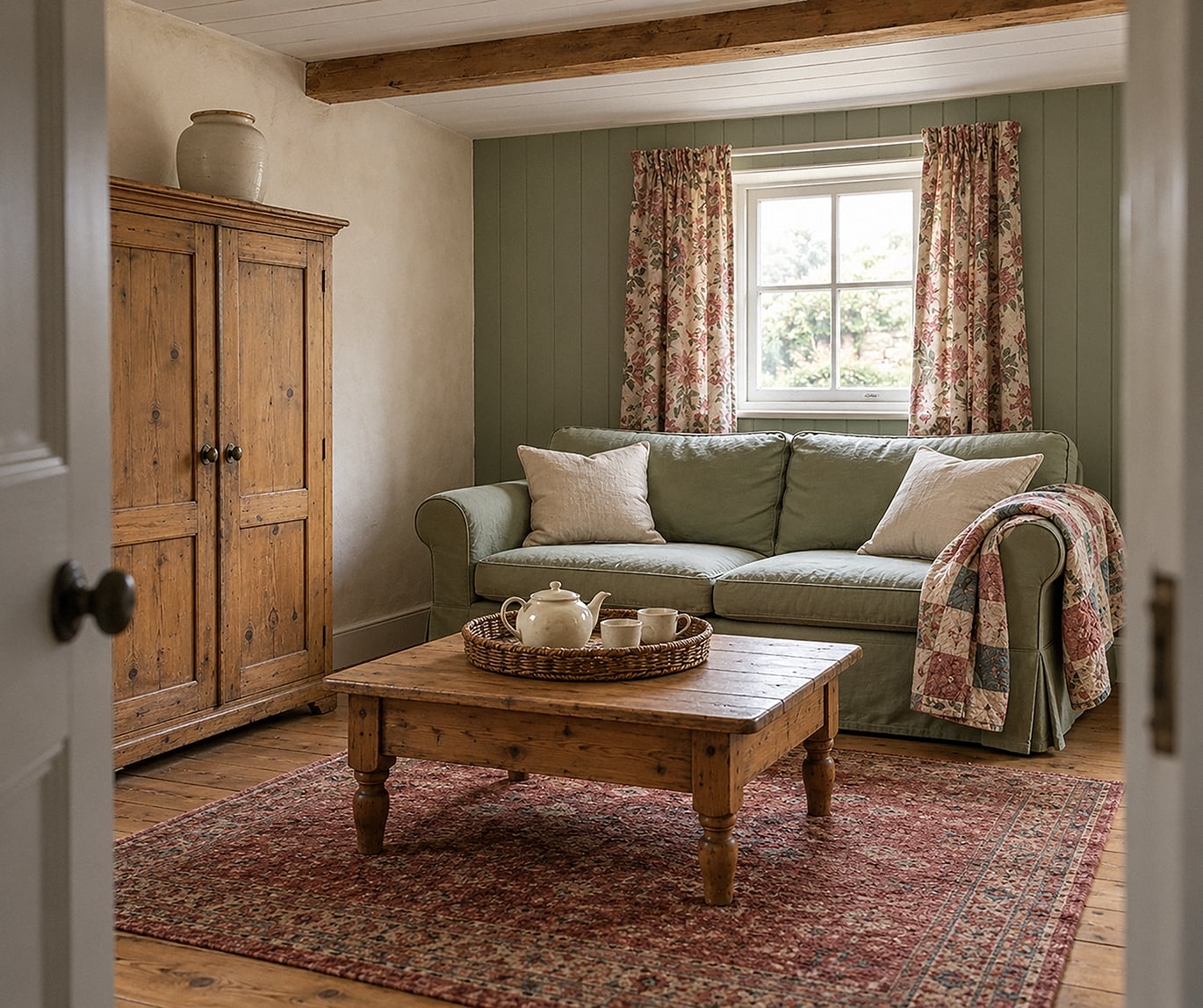
Grandmacore keeps the kettle and the quilt in the frame
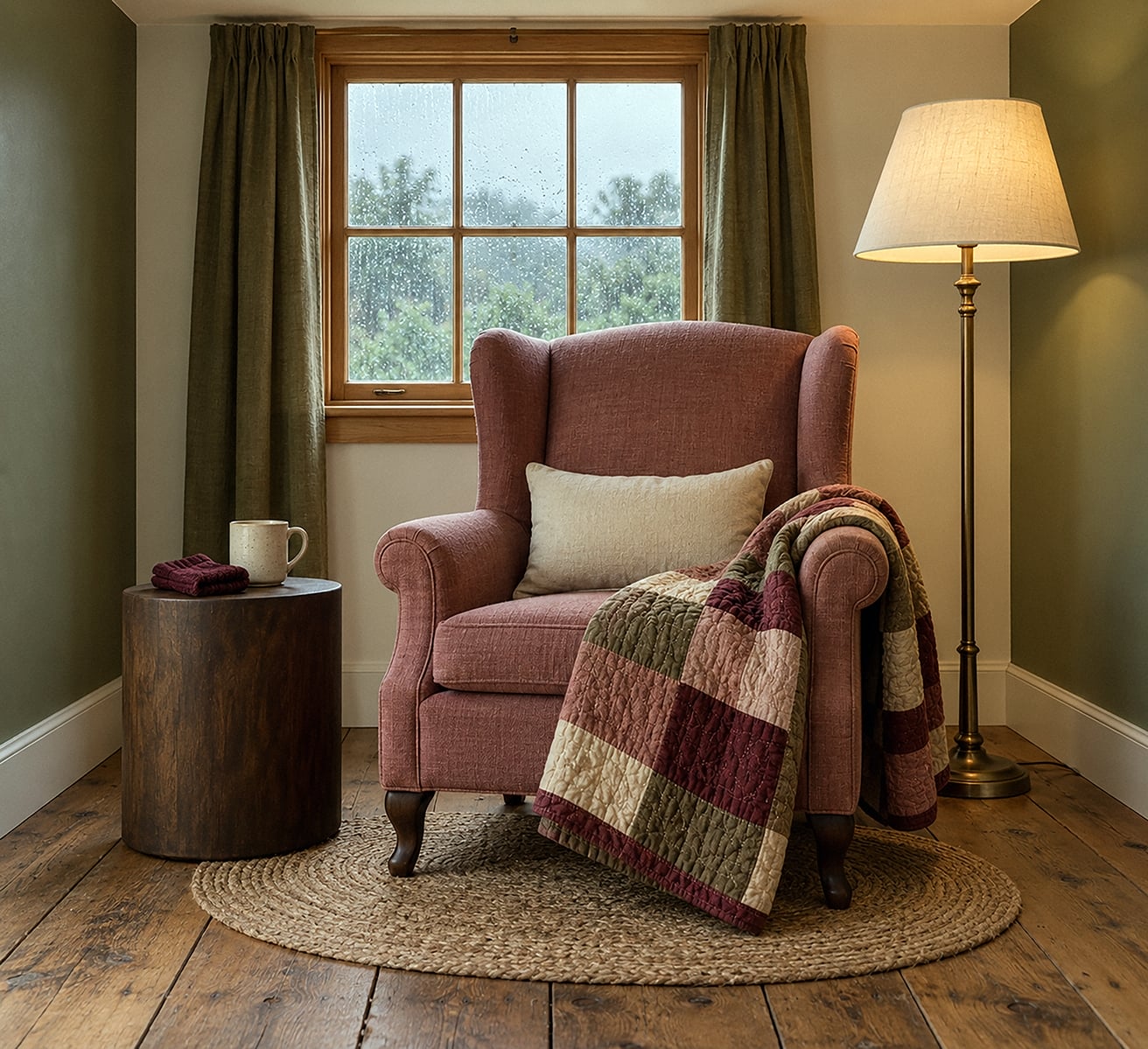
The grandmacore room sounds quieter. You can imagine fabric brushing the floor, a wooden drawer giving a small stubborn squeak, and rain tapping a multi-pane window. Comfort is visible.
Recent coverage has described grandmacore through warmth, color, touchable materials, and quaint domestic details. I find it useful as a broader nostalgia umbrella than grandmillennial: less concerned with a perfectly composed traditional room, more interested in the feeling of care that accumulates around ordinary things.
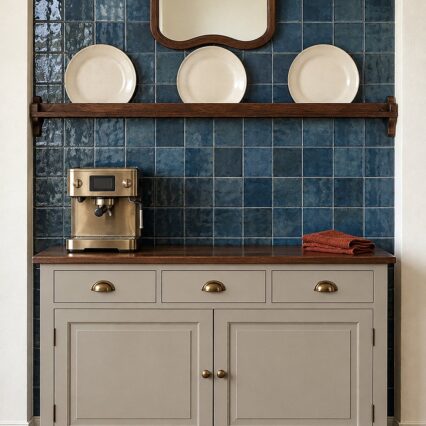
A grandmacore style guide could be surprisingly short. Begin with something worn, something handmade, something patterned, and something useful enough to leave out. That might mean a sage-painted cabinet with aged brass pulls, a large-scale floral curtain, a patchwork quilt, and a broad stoneware bowl on the table.
The danger is costume. Twelve tiny figurines and an army of faux-antique signs can flatten the tenderness into a theme set. I'd choose fewer pieces with weight, perhaps one pine cupboard and a quilt with a clear color story.
A lamp whose shade casts the softest circle at dusk can carry the mood too.
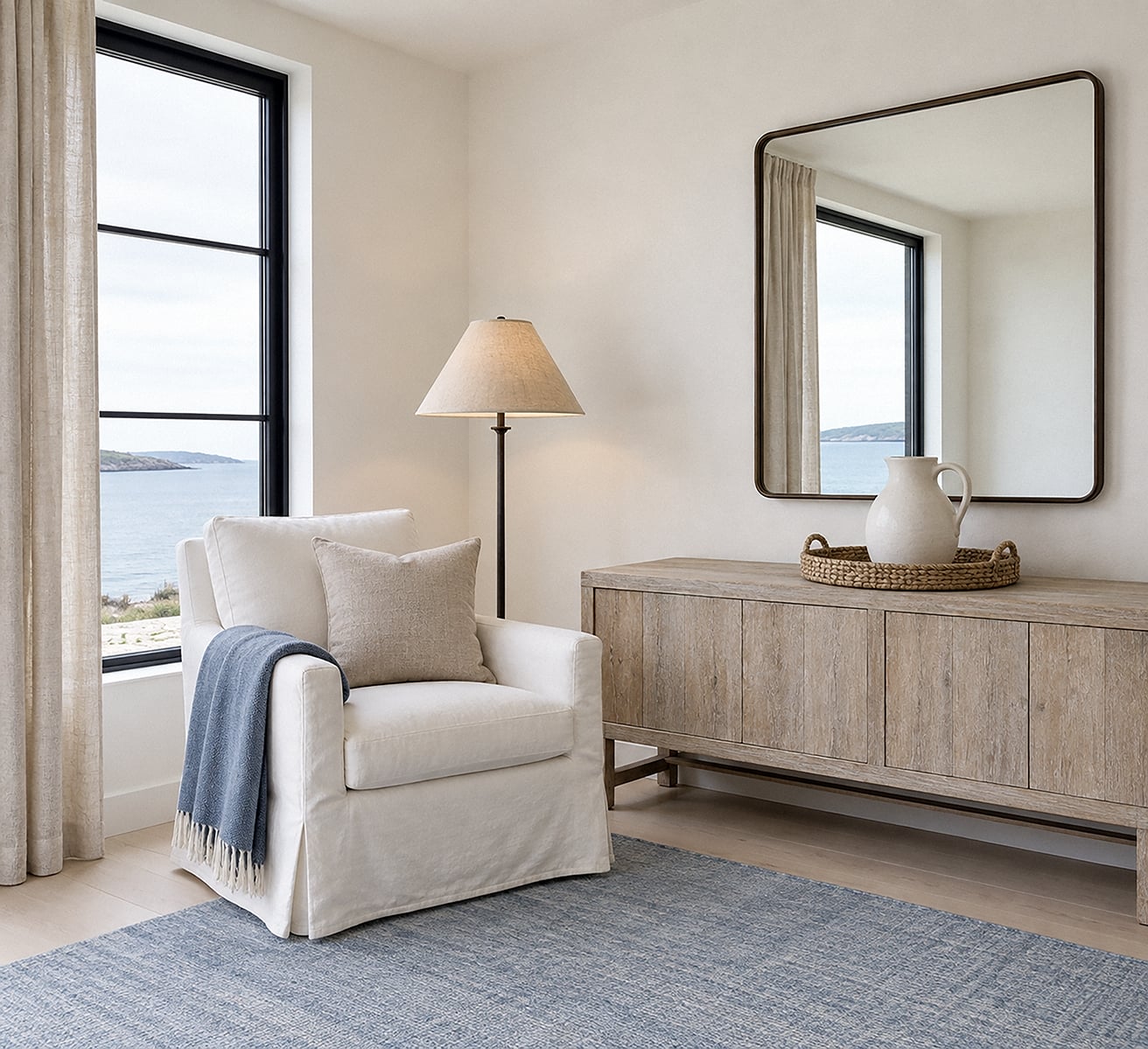
Cottagecore, grannycore, and coastal grandmother sit nearby
Grandmacore versus cottagecore gets easier when you ask what kind of story the room is telling. Cottagecore leans toward a romantic rural life -- garden baskets, simple country furniture, gathered flowers, and the fantasy of bread cooling near an open window. Grandmacore can live in town and needs no pastoral plot; its center is domestic nostalgia.
Grannycore and grandmacore are often used almost interchangeably. Some people hear "grannycore" as the more playful, maximal version, while others use it for the whole category. There is no governing body settling the matter, which is honestly a relief.
Coastal grandmother style is airier and quieter. Its cues tend to be pale linen, weathered wood, open windows, and an easy seaside-lifestyle mood. Grandmacore usually has more pattern, deeper color, softened wood, and a stronger sense of the cupboard where the good tablecloth lives.
Use an heirloom dial instead of choosing a team
Four questions can place your room on the spectrum. How polished should it feel? How much pattern can your eye enjoy?
How visible should age be? How much sentiment do you want on display?
Turn polish up and you move toward grandmillennial. A tailored sofa, matched lamp pair, dark table, and crisp window treatment give the room a traditional backbone. Turn visible age and sentiment up, and grandmacore begins to appear through softened wood or a hand-worked textile.
A useful old cabinet can carry both.
You can split the difference. Start with new traditionalist decor as the architecture of the room, then loosen it with one tactile piece that refuses to stand at attention. A nubby quilt over a formal chair works.
So does an old pine side table beside a clean-lined sofa.
My strongest opinion here: I'd resist distributing nostalgia evenly. Give it a focal point. A room where every lamp, leg, edge, and textile announces "old-timey" begins to smell faintly of theater dust, at least in my imagination.
Modern grandmacore can handle restraint, small rooms, and darker palettes
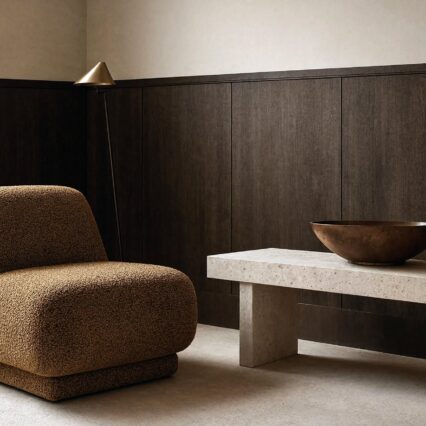
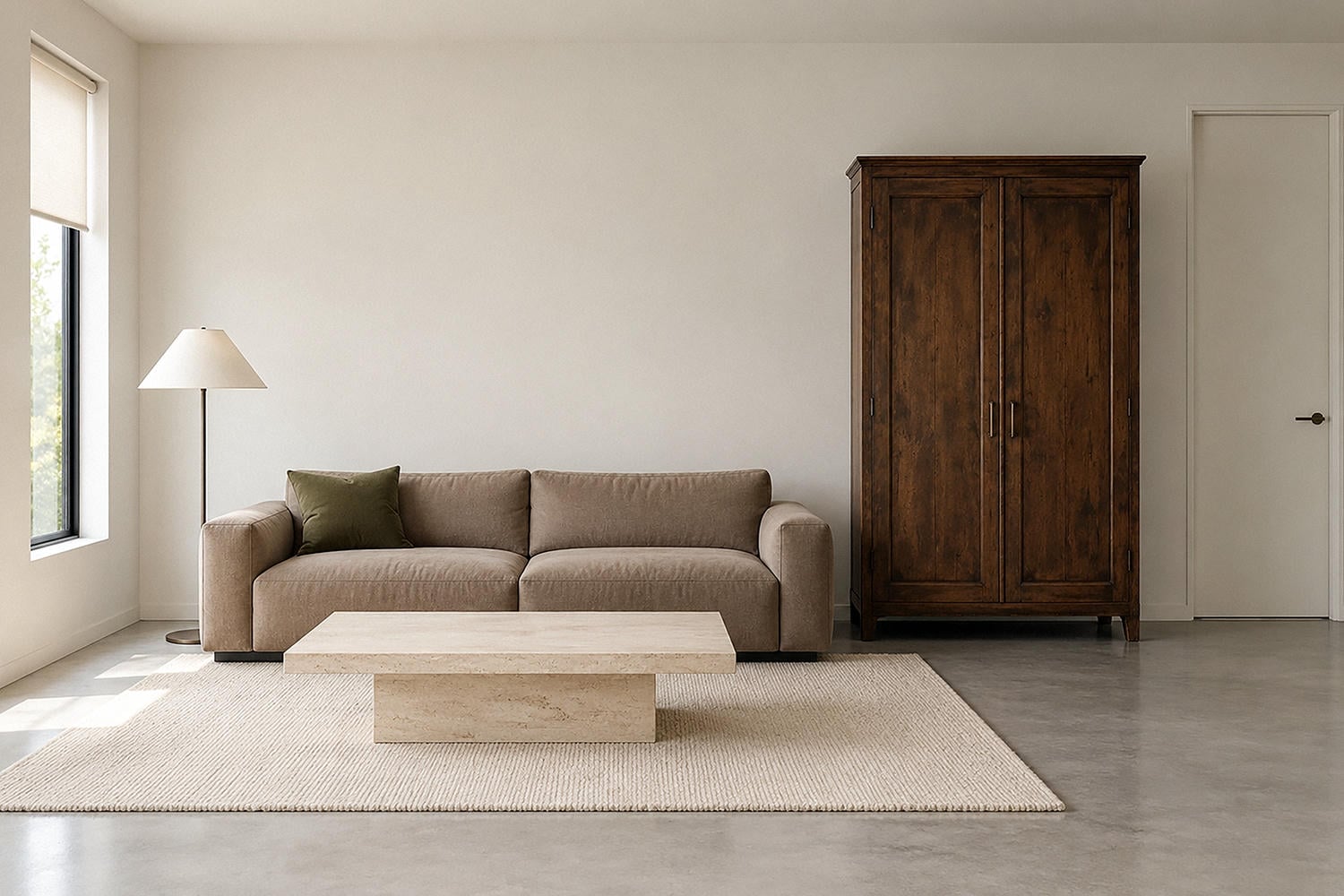
A minimalist may want the softness without the visual chatter. Choose one aged wood piece and one generous textile. A lamp with a simple pleated shade can finish the thought while the remaining surfaces stay bare enough for patina and stitching to register.

Grandmacore in a small apartment benefits from the same discipline. A tall closed cabinet carries more mood and use than several small tables, depending on the layout. Hang one broad floral curtain panel, bring in a compact skirted chair, or let a quilt cover the bed; you don't need all of them at once.
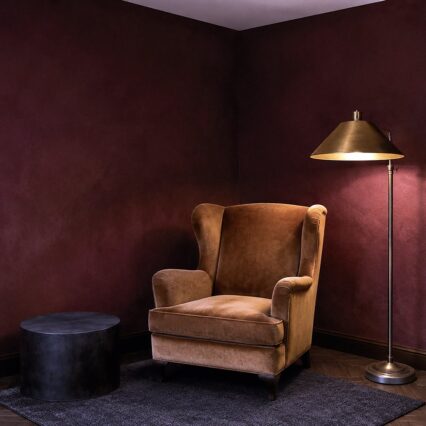
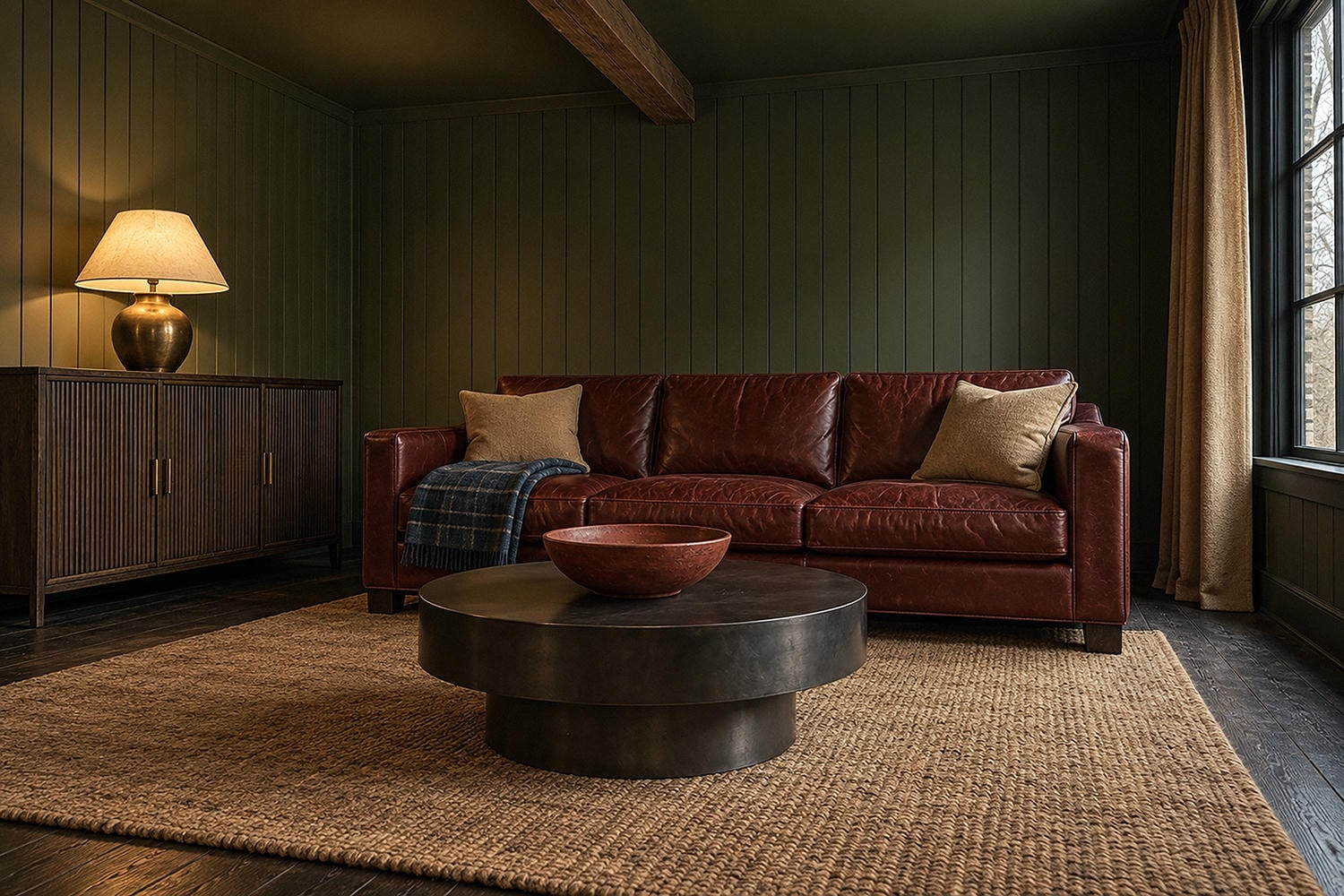
And yes, grandmacore can work in a bachelor pad, though the phrase itself carries some tired ideas about who gets to like what. Try oxblood leather, smoked oak, olive wool, and an old brass lamp. The nostalgia reads moodier, yet the recipe remains comfort plus history.
Modern grandmacore ideas can also leave florals out. A checkerboard wool rug, a plain crock, a worn cabinet, and a deep-colored curtain can suggest the style through material and silhouette. Flowers are invited.
They aren't the landlord.
Buy fewer old-looking things and notice better ones
At a secondhand shop, look first at silhouette and material. A solid wood cabinet with a plain front can anchor either style, and age in the finish may add depth. Check the piece carefully for condition and suitability before bringing it home, especially when old coatings or unknown upholstery are involved.
New pieces can belong too. The goal is a believable relationship among shapes, finishes, color, and use. A new sofa beside an older table often feels more alive to my eye than a whole room purchased as a matching period act.
Let one object lead. If it is a floral chair, pull one of its quieter colors onto the wall. If it is a dark cabinet, answer its weight with a lighter rug and leave the top mostly bare.
The room needs conversation among objects; it doesn't need a chorus line.
Grandmillennial and grandmacore questions, answered
What is the difference between grandmillennial and grandmacore?
Grandmillennial usually looks more tailored and deliberately new traditional, while grandmacore tends to feel looser and more visibly domestic. Both may use floral pattern, warm wood, classic furniture, and shaded lamps. The boundary remains informal, so many rooms borrow from each side.
How does coastal grandmother differ from grandmacore?
Coastal grandmother style tends to use a paler palette and fewer patterns. Seaside-lifestyle cues may come through washed linen or weathered wood. Grandmacore can carry deeper color, patchwork, worn timber, and a stronger old-cupboard warmth.
They meet easily in a breezy room with one sentimental textile.
What is the grannycore style?
Grannycore is another informal label for decor inspired by grandmotherly comfort, older domestic objects, and handmade-looking textiles. Some people use it as a synonym for grandmacore; others reserve it for a more playful or pattern-heavy version. Context matters more than the label.
Can you mix grandmillennial and grandmacore decor?
Yes. Use grandmillennial structure through furniture shape, spacing, paired lamps, or window treatments, then add grandmacore softness with a quilt or worn wood piece. The interesting choice is still sitting there: how polished do you want your nostalgia to be?