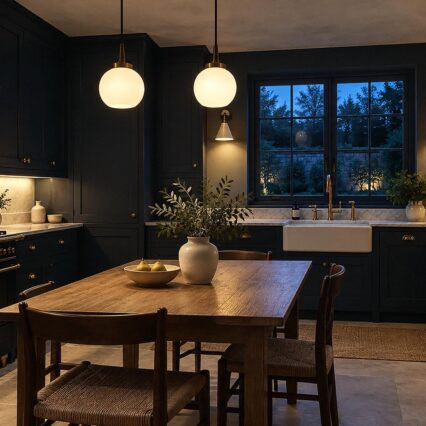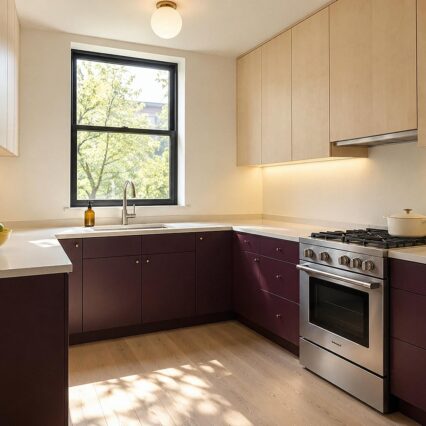
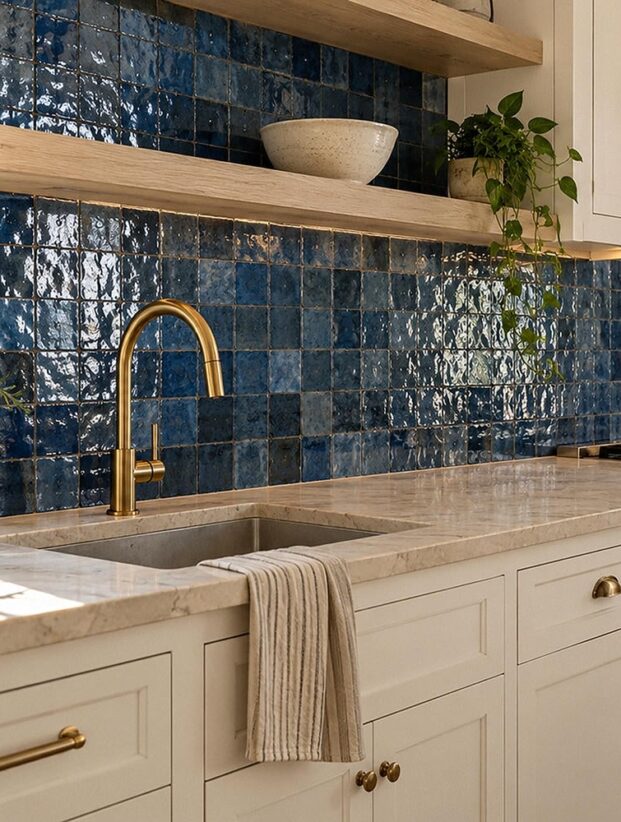
Blue zellige tile does not behave like a printed field of identical squares. It catches one window in twenty slightly different ways. An edge sits proud, a glaze deepens toward navy, and a tiny ripple turns a plain wall into moving water when the light shifts.
That variation is the attraction, but it also changes how the room should be planned. Cabinet color, grout, lighting, and layout all need to work with irregularity rather than trying to discipline it out of existence.
These blue zellige tile ideas cover the beautiful choices and the less glamorous questions: where it belongs, how it is installed, and what maintenance the photographs tend to omit.
Know What You Are Buying
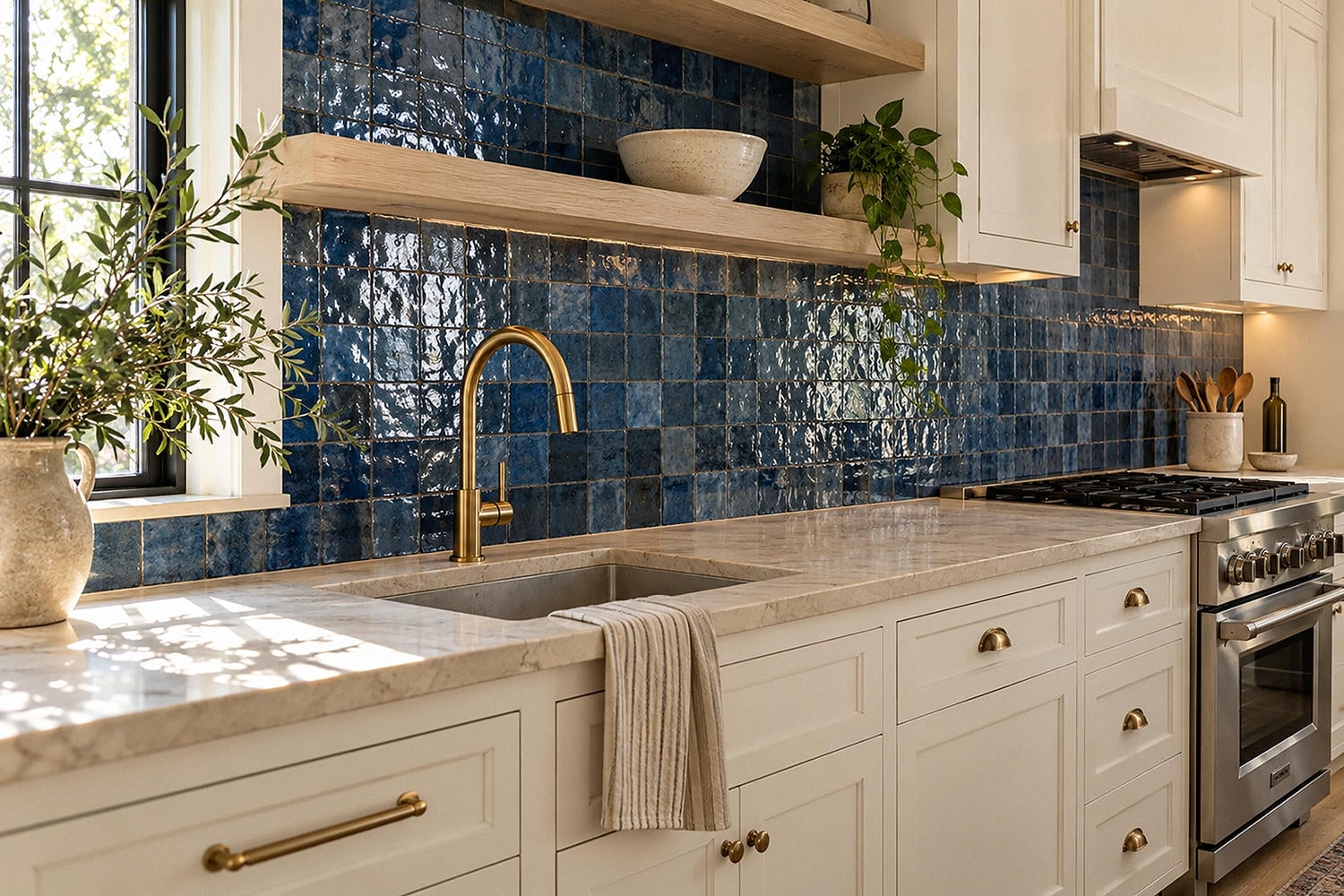
Traditional zellige is handmade Moroccan earthenware tile, cut and glazed by hand. Surface ripples, chipped or irregular edges, small pits, crazing, and shade variation may be expected characteristics rather than defects. Different suppliers use the term differently, so read the technical sheet for the exact product instead of assuming every "zellige-look" tile has the same properties.
Order samples from more than one piece. One perfect blue square tells you almost nothing about the range. Ask to see a board or loose batch, and confirm recommended overage, sealing, wet-area use, floor rating, freeze-thaw limits, and installation instructions before purchasing.
The handmade look depends on variation across the whole wall. It should not be judged tile by tile.
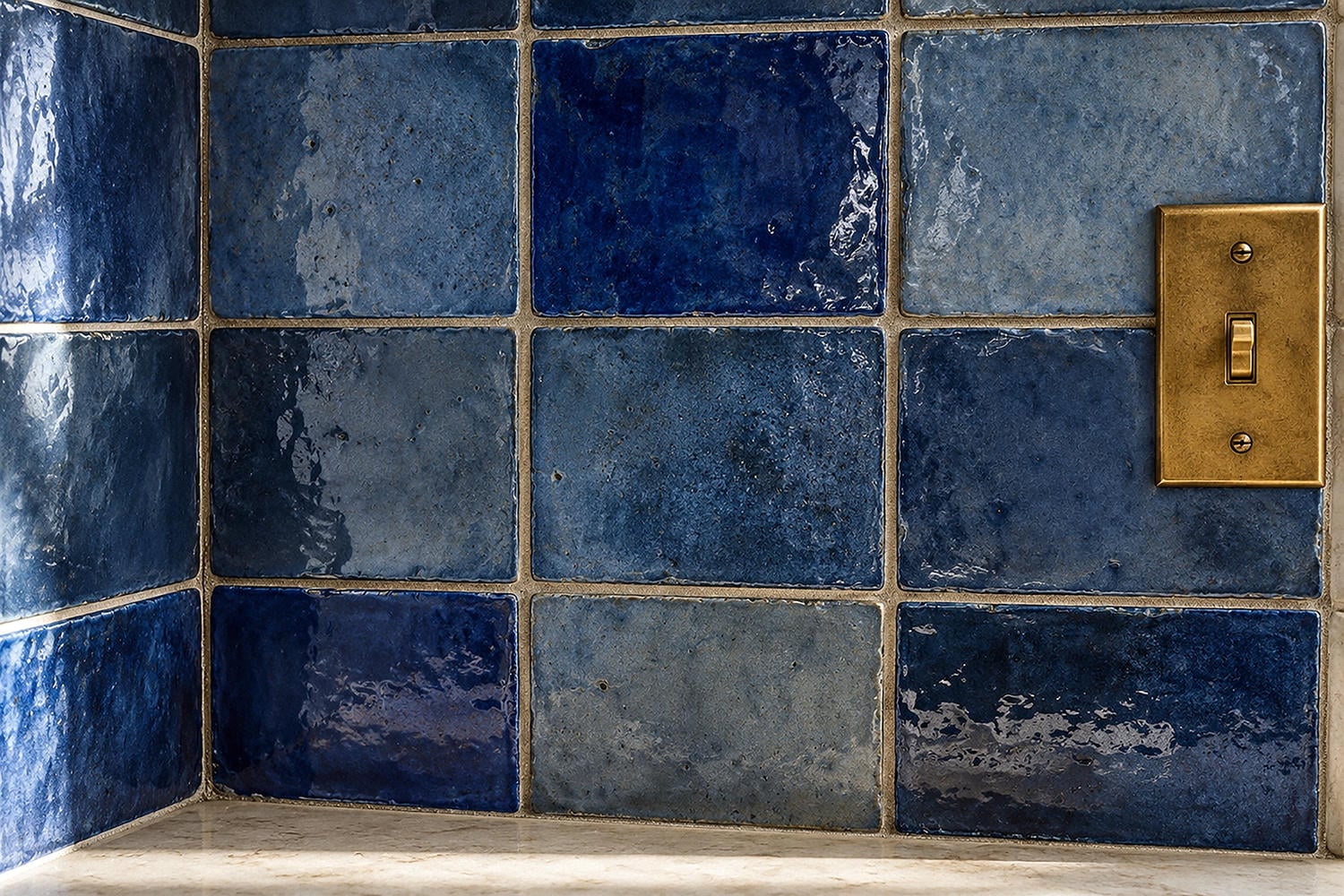
Build a Blue Zellige Kitchen Backsplash Around Light
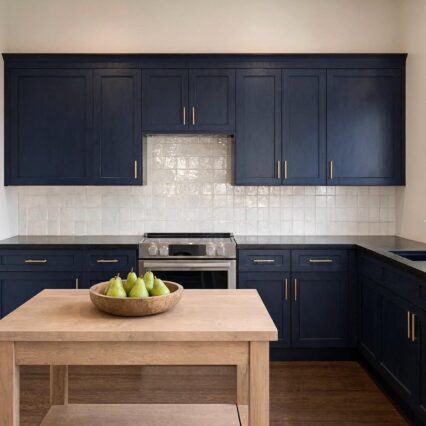
A blue zellige kitchen backsplash is strongest where daylight or under-cabinet light can skim the surface. The glaze changes from denim to cobalt to blue-gray as each piece catches light at a different angle.
For a quiet kitchen, pair medium blue tile with warm white cabinets and pale oak. For more drama, use navy zellige tile behind walnut or oxblood cabinetry. Stainless appliances can look surprisingly good because their cool reflection repeats the glaze without trying to match it.
Carry the tile from counter to upper cabinet or shelf. A thin four-inch strip wastes much of the material's optical character. Behind a range, confirm heat, clearance, substrate, and cleaning requirements with the tile supplier and appliance installer.
Choose Grout Colors for Blue Zellige Deliberately
Grout colors for blue zellige change how much the wall reads as a field versus a grid. A close blue-gray or warm gray lets the tile faces merge visually. Pale grout outlines every irregular edge. Dark grout intensifies the geometry and can look graphic, but it may also emphasize chips and uneven joints.
Make a sample board with several tiles from the actual batch. Test the intended grout and any required sealer because contrasting grout can lodge in surface texture or alter the appearance. Never approve grout from a digital mockup alone.
Clé's guidance gives 1/16 inch as a common recommendation for its zellige, while other suppliers may specify something else. Follow the manufacturer of your exact tile and the installer responsible for the work. Clé's grout-joint guidance shows why material-specific instructions matter.
Does Blue Zellige Look Good With Brass?
Yes, especially when the brass is warm and the blue has green, gray, or inky undertones. The combination works because reflective metal and reflective glaze answer each other without having the same texture.
Use brass where it has a reason to be: faucet, pot rail, sconces, or cabinet hardware. If every object is brass, the tile becomes a background for a metal collection. Unlacquered brass will patinate; plated and lacquered finishes remain more stable. Know which behavior you prefer before buying.
Blue zellige also pairs well with dark bronze, nickel, chrome, and stainless steel. Brass is an option, not an entrance fee.
Make a Blue Zellige Bathroom Feel Deep, Not Cold
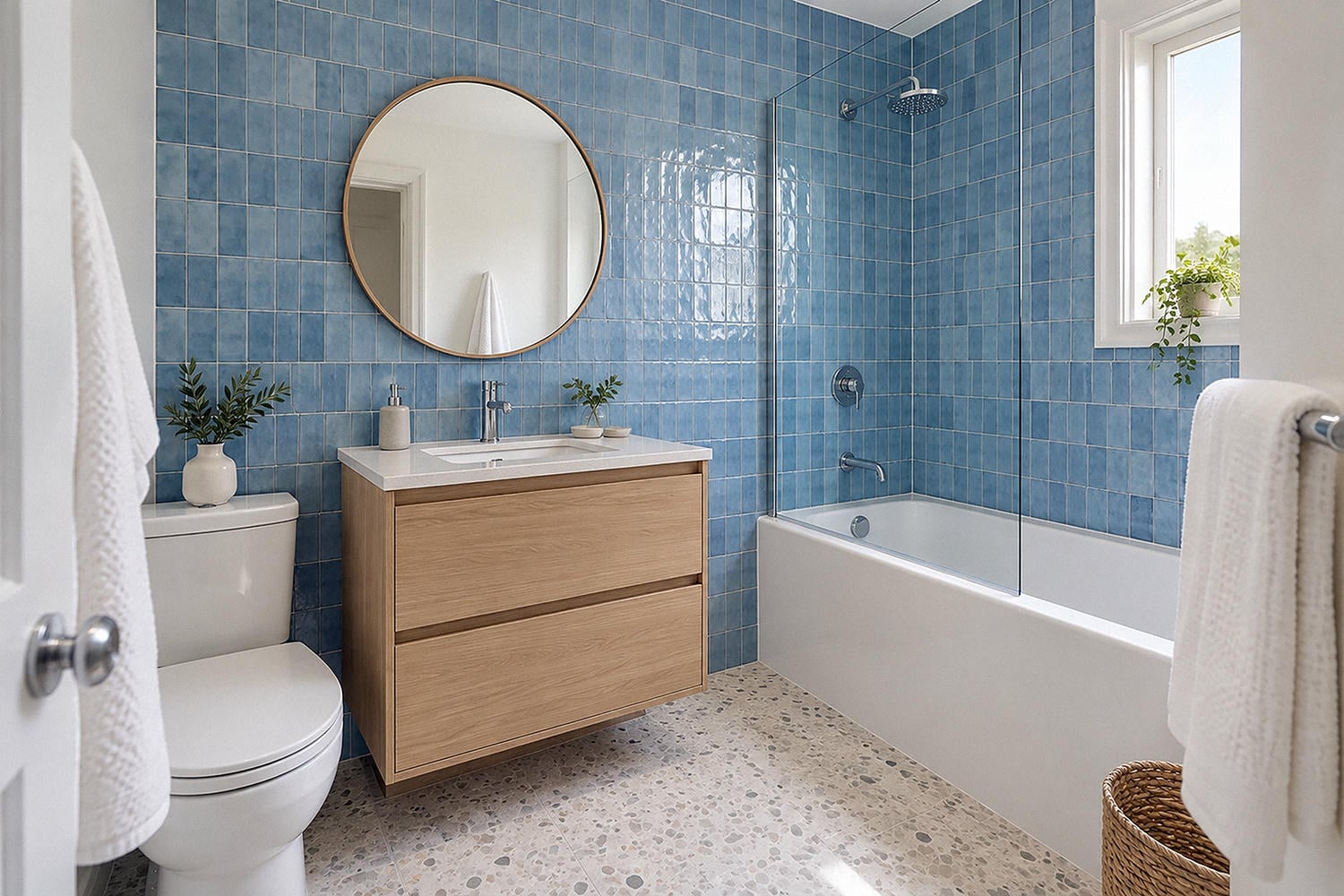
In a blue zellige bathroom, warm the material through its neighbors. Oak, walnut, cream plaster, travertine, terracotta, and warm white grout can pull blue away from a chilly spa stereotype.
Tile one major plane instead of fragmenting the room: the full vanity wall, the bath surround, or the shower enclosure. A small powder room can take full-height tile because the light bouncing off the glaze adds depth. In a larger bath, a single tiled wall often has more authority than several scattered accents.
Choose flattering light with good color rendering and test it against the sample. A very cool bulb can flatten green-blue glazes into aquarium territory.
Use Blue-Green Zellige in the Shower With a Full System
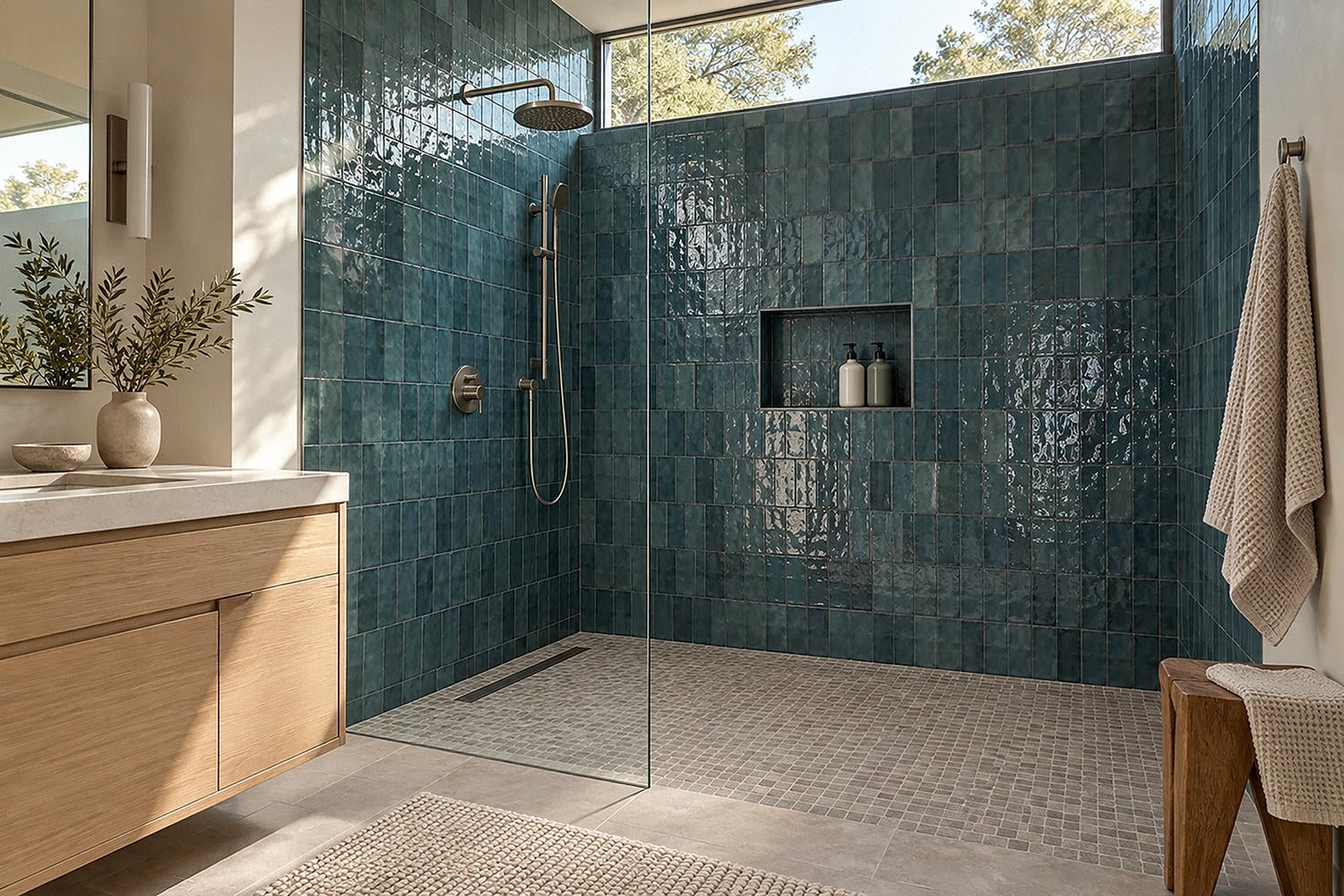
A blue-green zellige shower can feel like water even when dry. Let the shade variation run freely, then keep plumbing lines simple. A fixed glass panel reveals more of the wall than a heavily framed enclosure.
Installation is not a casual DIY experiment. Wet areas need a stable, waterproof substrate and compatible setting materials, grout, sealers, movement joints, slope, and drainage. Zia Tile's current guide says glazed zellige is commonly used on shower walls and other wet locations, while stressing that the surface must be stable and waterproof before tile installation. It also specifies wet-area adhesive, grout, and sealing for continuously wet locations. Review Zia Tile's installation guide, then follow the instructions for your own product.
The tile is the visible finish, not the waterproofing plan.
Make a Moroccan Blue Zellige Shower Niche Look Planned
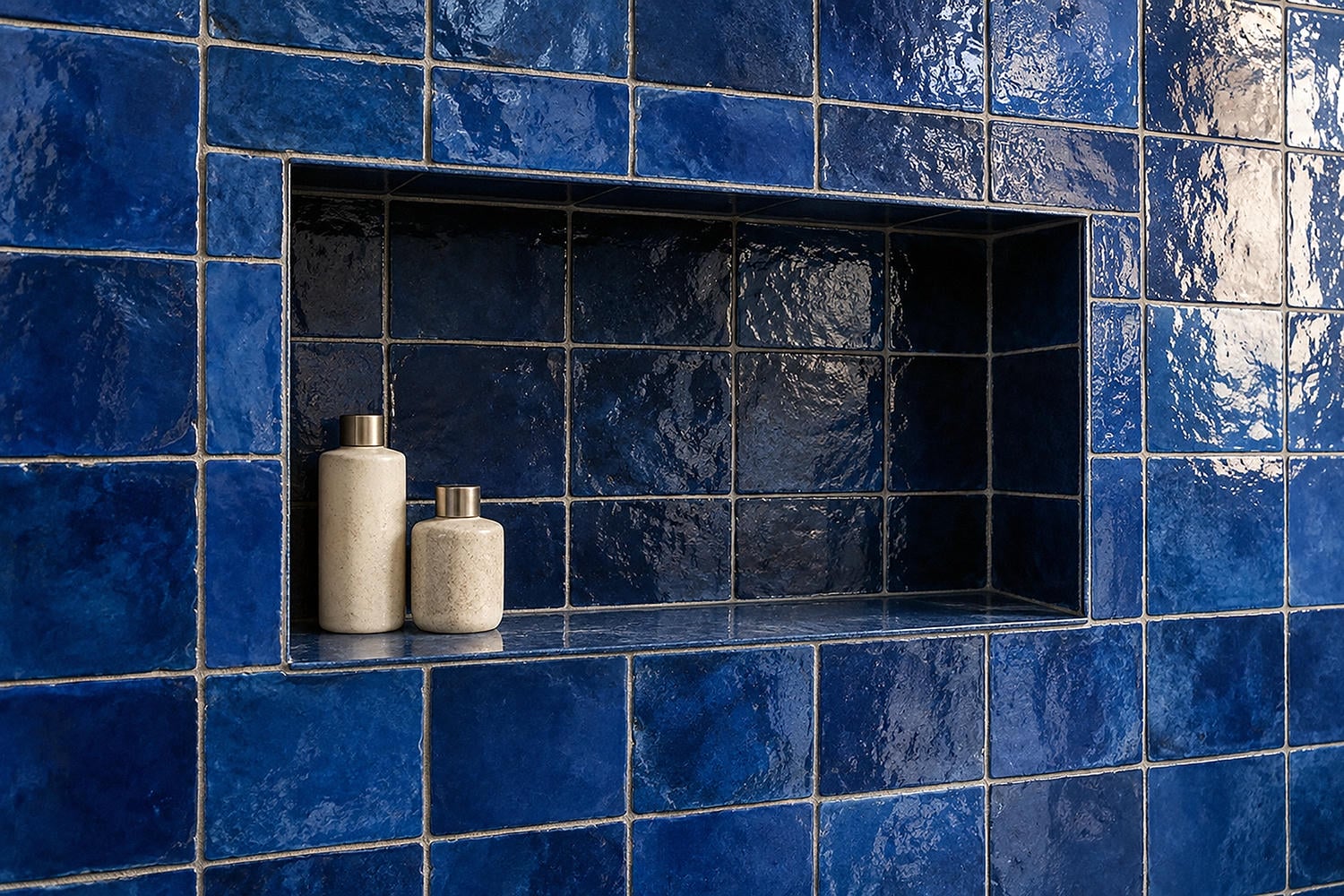
A Moroccan blue zellige shower niche can either disappear into the field or become a jewel box. For the first approach, align the niche edges with grout lines and use the same tile inside. For the second, deepen the color or change scale while staying within the same glaze family.
Do not finalize niche dimensions before the tile module is known. A half-inch adjustment during framing may prevent skinny cuts later. The sill needs a slight slope toward the shower, and corners and changes of plane require the movement treatment specified for the system.
A niche filled with bottles will hide intricate pattern work. Spend the design effort on proportion, edge finish, and clean alignment.
Try Navy Zellige Tile in a Small Area
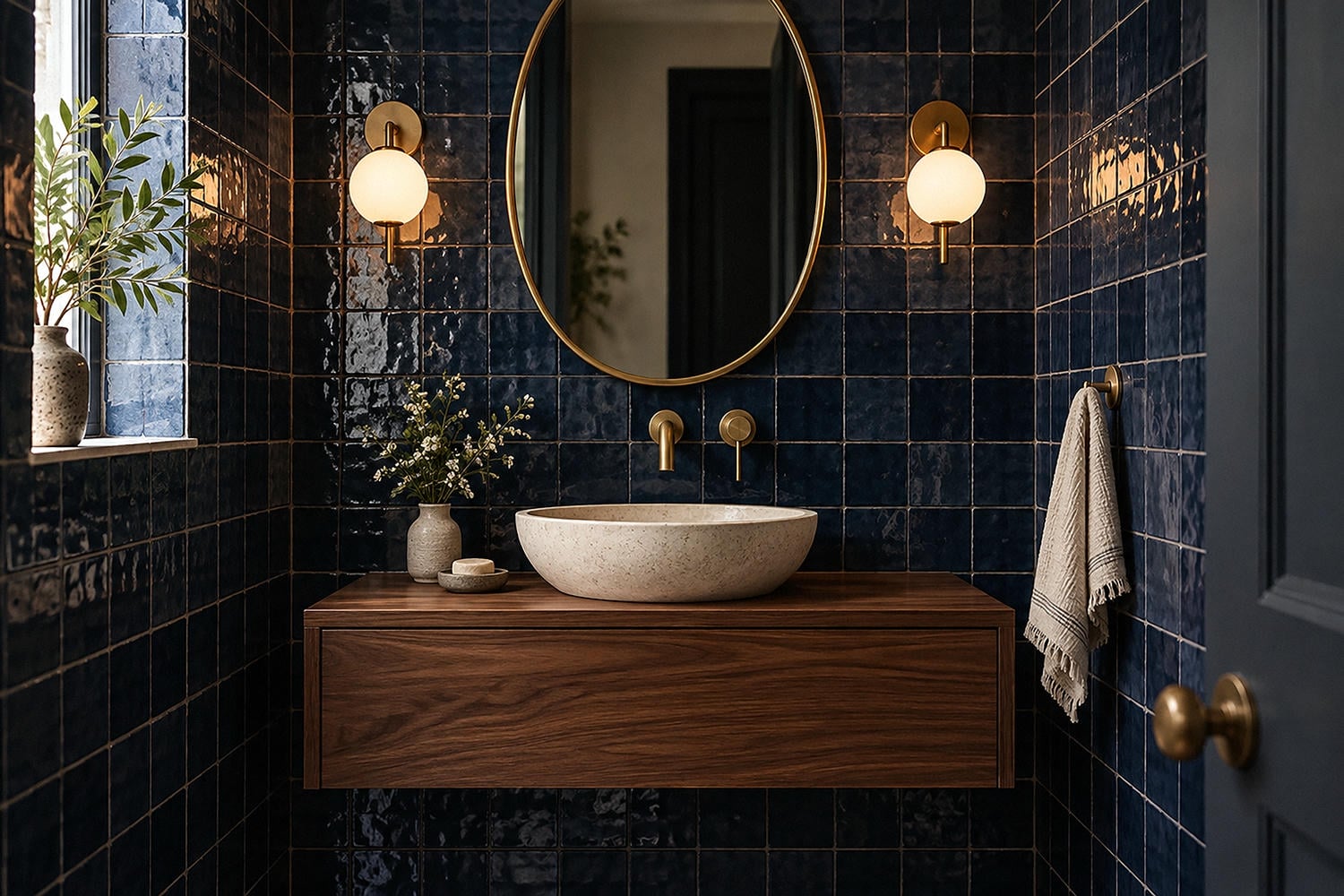
Navy zellige tile absorbs more light than pale blue, but the glaze returns enough sparkle to keep it from feeling flat. It is excellent behind a bar, on a compact powder-room wall, around a fireplace where approved, or between dark base cabinets and open shelves.
Balance the depth with either a pale ceiling or a nearby reflective surface. Warm timber, cream stone, and aged brass make navy feel rich; hard black-and-white contrast makes it sharper and more modern.
Because very dark glossy tile shows mineral deposits and soap film, use it where your cleaning habits and water conditions will not turn every splash into a grievance.
Use Light Blue Zellige Tile Around a Fireplace Carefully
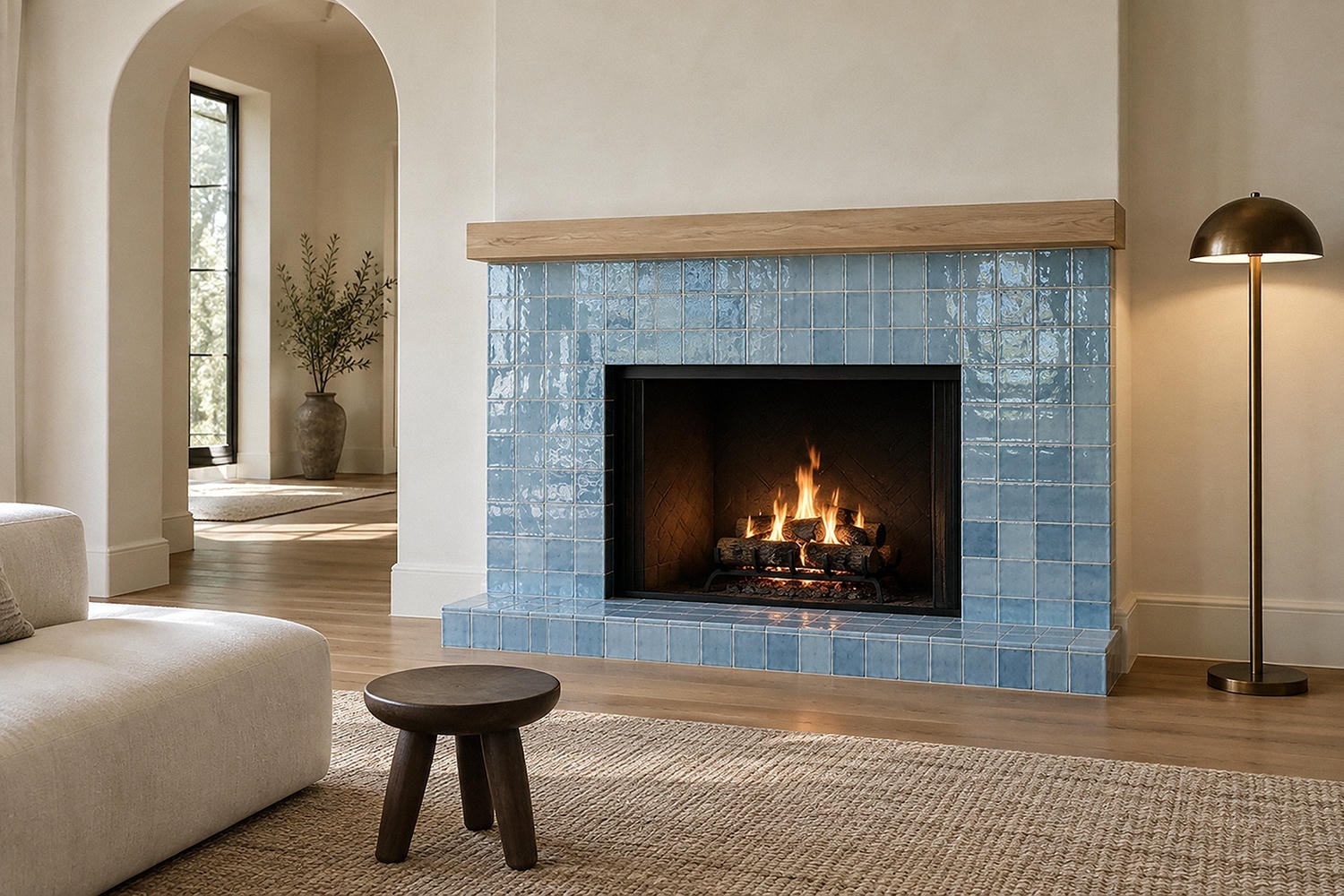
A light blue zellige tile fireplace can shift with daylight and firelight, which gives a simple surround unusual depth. Powder blue feels airy with limestone and pale oak; blue-gray suits blackened steel; turquoise leans more Mediterranean.
Check the fireplace manufacturer's required clearances and the tile supplier's heat-use guidance. The substrate, adhesive, and installation must be suitable for the temperatures involved. Do not tile over an unsafe or damaged surround just because the finish is noncombustible.
Keep the mantel simple. Handmade glaze already gives the wall movement; a heavily carved mantel and a crowded ledge can bury it.
Consider Herringbone Blue Zellige Tile With Caution
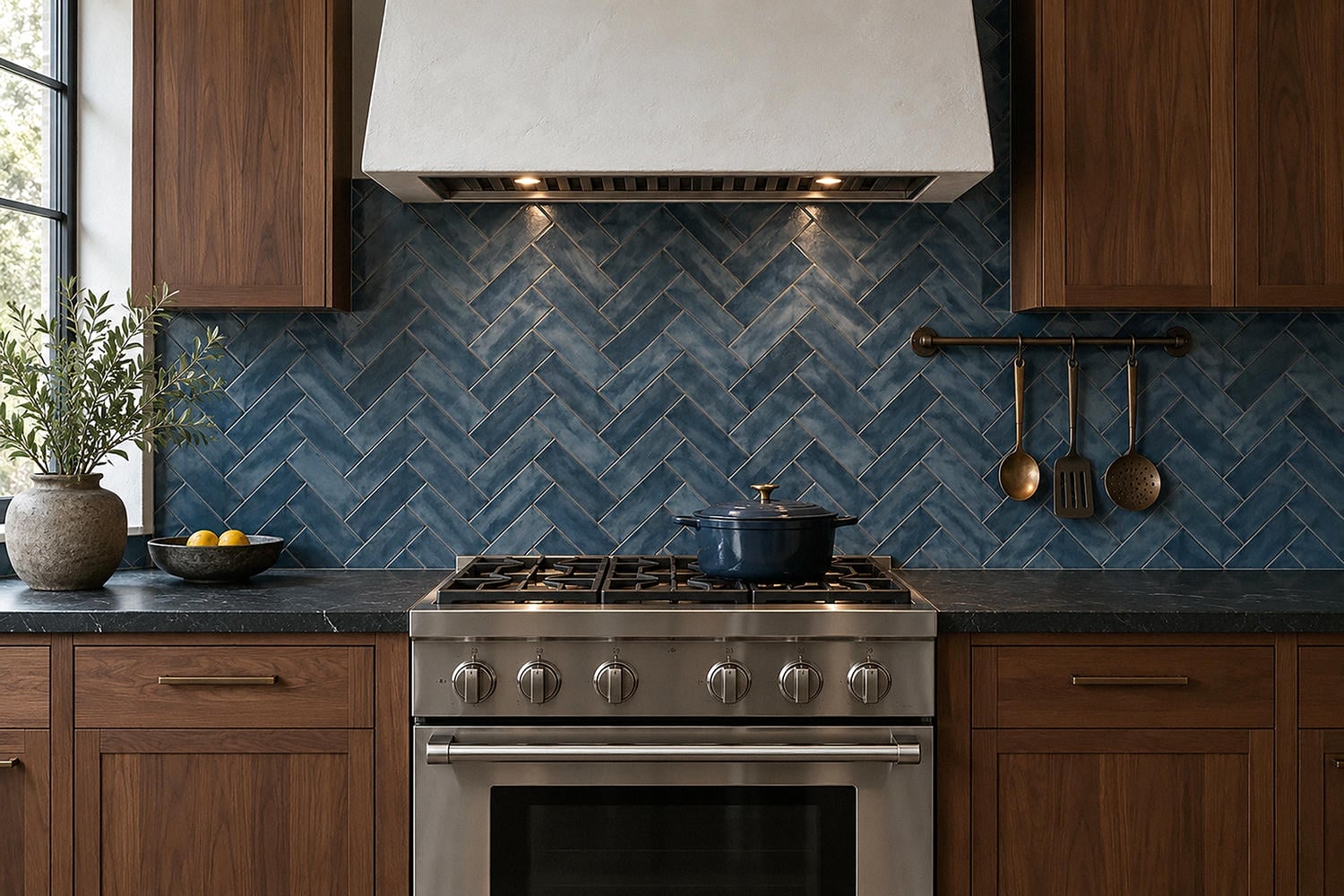
Herringbone blue zellige tile combines irregular edges with a directional layout. The result can be lively and luxurious, but it creates more cuts, more alignment decisions, and more visual activity than a simple stack.
Use it on a contained area such as a range wall, bar backsplash, or niche back. A straight stack often shows shade variation more clearly across a large surface. Before choosing herringbone, ask whether the tile dimensions and tolerances suit the pattern and whether the installer has worked with that product.
Budget for additional labor and waste. Handmade tile does not become easier because the drawing looks tidy.
Gloss Versus Matte Blue Zellige
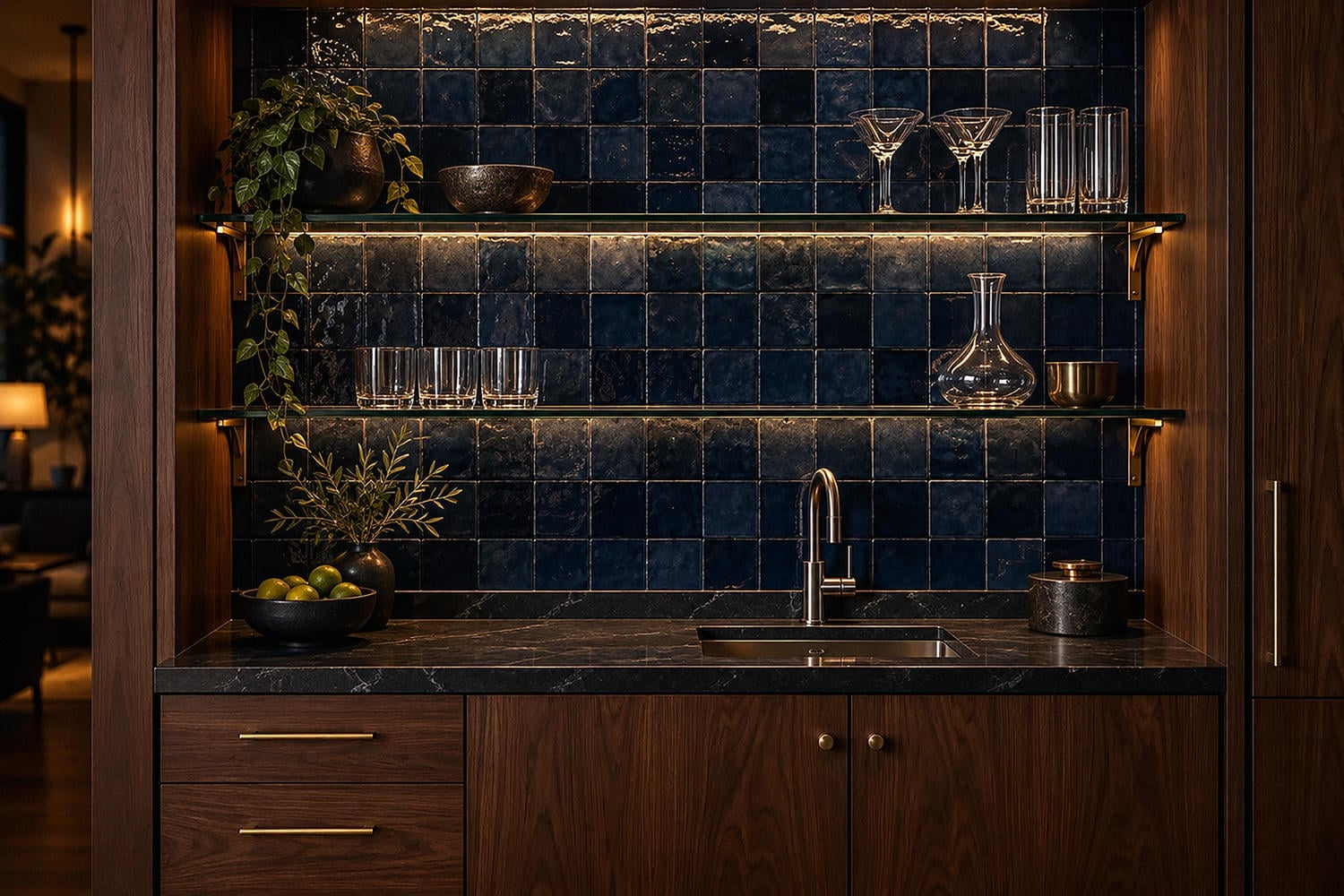
Gloss blue zellige reflects light, emphasizes ripples, and usually delivers the watery effect people expect. It also shows splashes, fingerprints, and hard-water residue more readily in dark colors.
Matte or unglazed zellige has a softer, earthier appearance and may be more porous. Product-specific sealing and care become especially important. Do not assume matte means slip-resistant or floor-ready; confirm the rating for the exact tile.
If maintenance is the deciding factor, compare real samples after touching them, wetting them where the supplier allows, and viewing them under the room's lighting.
Do You Need Grout for Blue Zellige Tile?
Yes. Close-set does not mean grout-free. Grout fills joints and supports tile edges, while flexible movement joints handle specified changes of plane. The joint may be narrow, but its width and material must follow the tile and installation system.
Trying to butt irregular tiles tightly can leave voids, trap debris, produce vulnerable edges, and conflict with supplier guidance. The romantic phrase "no grout look" should be interpreted as visually quiet grout, not absence of grout.
Remember that grout is not the waterproof layer in a shower. TCNA warns that grout joints are not waterproof; approved wet-area construction behind the finish protects adjacent materials. See TCNA's ceramic tile FAQ.
How to Clean Handmade Zellige Tile
Begin with the manufacturer's maintenance sheet. In general, use a soft cloth or sponge and a mild, pH-neutral cleaner compatible with the tile, grout, and sealer. Avoid abrasive pads that can catch high edges or dull the glaze. Wipe kitchen grease before it builds up, and squeegee shower walls if hard-water deposits are a problem.
Acids, bleach, abrasive powders, and generic "natural" cleaners may damage tile, grout, or sealer. Test any product in an inconspicuous area. Re-sealing schedules are product- and location-specific, not universal calendar events.
Keep a record of the tile, grout, sealer, and cleaner used. That small file is more helpful five years later than a beautiful installation photo.
Why Is Blue Zellige Tile So Expensive?
Hand forming, glazing, firing, sorting, packing, shipping, breakage allowance, and skilled installation all contribute. Variation means the installer may dry-lay, shuffle, trim, and assess pieces rather than pulling identical units from a box.
Price also varies between handmade Moroccan zellige and factory-made zellige-look ceramic. Neither label alone tells you whether a product suits your project. Compare total installed cost, technical suitability, sourcing information, expected variation, and long-term care.
If the full room exceeds the budget, use authentic tile on one visible wall and choose a quiet, compatible material elsewhere. A small confident field looks better than a room diluted by too many substitutes.
Frequently Asked Questions
Is zellige tile hard to maintain?
It requires product-specific care, especially in wet or greasy locations, but routine cleaning can be simple. Correct installation, compatible grout and sealer, and mild cleaners matter more than aggressive scrubbing.
Where can blue zellige tile be used?
Common locations include backsplashes, shower walls, vanity walls, fireplace surrounds, bars, and decorative walls. Suitability for floors, exteriors, pools, steam showers, or high heat depends on the exact product and system.
Does every zellige tile need sealing?
No universal answer applies. Glaze, crazing, grout contrast, exposure, and manufacturer guidance all affect sealing. Follow the technical sheet for the purchased tile and test the sealer on samples.
What cabinet colors work with blue zellige?
Warm white, pale oak, walnut, olive, charcoal, burgundy, and muted blue can all work. Compare undertones under the actual room light and let the tile batch's variation guide the final paint choice.
How much extra blue zellige should I order?
Use the supplier's recommended overage, then account for layout, cuts, breakage, pattern, and future repairs. Handmade variation makes a spare box from the original batch particularly useful.
Blue zellige is not beautiful in spite of its irregularity. The irregularity is the design. Give it good light, competent installation, and enough surrounding quiet to let every uneven square do its small share of the work.