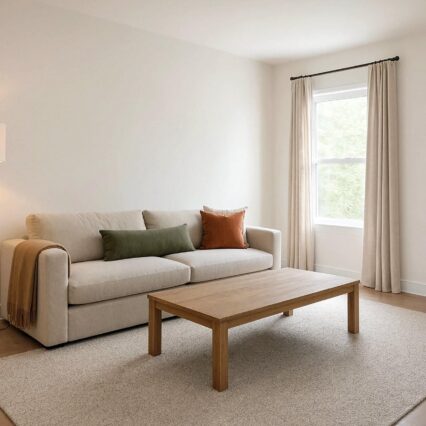
I keep noticing the same thing in the rooms I've been saving lately: a curve in the sofa, a flash of brass, dark wood against an inky wall. Then the eye gets to rest. The old glamour is there, though somebody opened a window and sent half the accessories home.
That's the appeal of neo deco interior design. The name is still loose and emerging, used in current design coverage for a contemporary Art Deco revival rather than a formally defined historical movement. In the rooms current coverage calls Neo Deco, I keep noticing edited drama: strong geometry, plush shapes, rich materials, and fewer gestures with more nerve.
This is especially useful if you adore Deco and still want to drink coffee on the sofa without feeling as if you're visiting a movie set. My rule is simple: let one hero lead, then make the rest of the room quiet enough to hear it. Mercifully, this involves no drinks trolley shaped like a swan.
Neo Deco Is Art Deco With Its Collar Unbuttoned
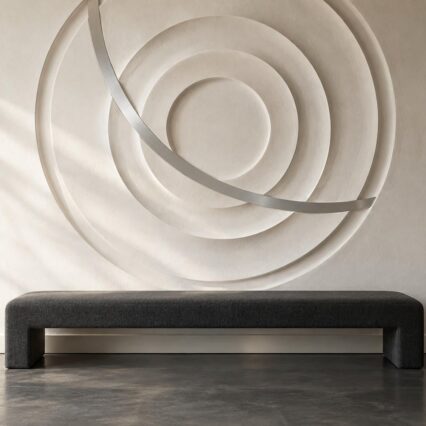
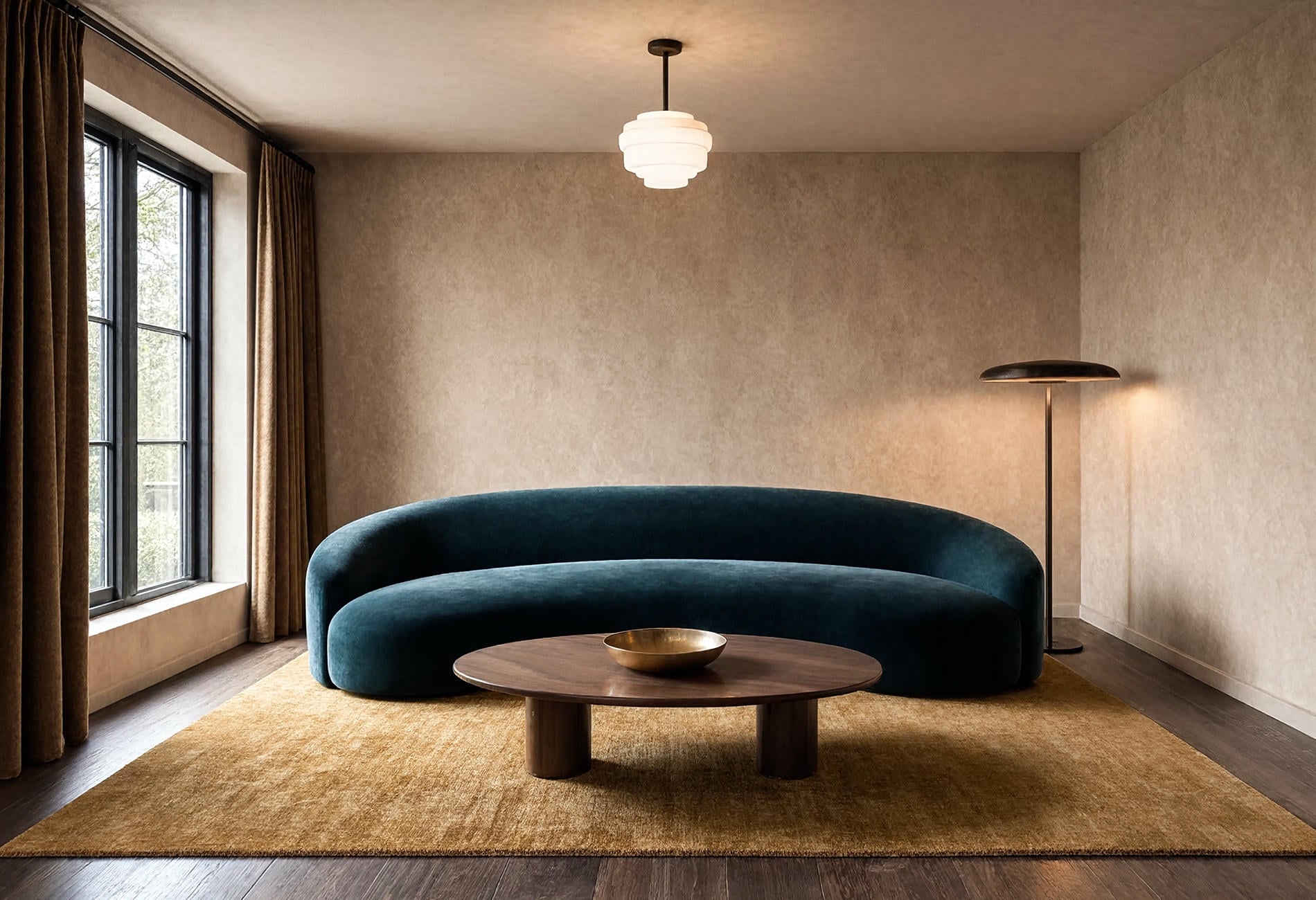
My favorite rooms in this vein feel graphic before they feel glamorous. A rounded sofa may sit against a wall divided into broad panels; a polished metal lamp catches the light while the nearby plaster stays chalky. You register shape and contrast first; texture arrives when you sit down.
Classic Art Deco supplies the references: symmetry, stepped forms, fans, fluting, saturated color, and surfaces that gleam. Neo Deco style loosens the period script by bringing in deep comfort, current silhouettes, and stretches of visual calm. It might pair a low modular seat with a fluted dark-wood cabinet, or set a slab of veined stone beside a wool rug that looks almost plain until your bare foot finds it.
That's where art deco meets minimalism in a convincing way. Minimalism removes the background chatter; Deco brings the punctuation. Keep the exclamation point. Lose the whole paragraph of them.
Neo Deco vs Art Deco: Use the Difference to Edit
Put the room through a density test. If the wallpaper, rug, lamp, table, mirror, and cushions are each performing a geometric solo, the orchestra pit is on fire. To my eye, a modern deco style works when one or two of those pieces lead.
| Design choice | Classic Art Deco reference | Neo Deco interpretation |
|---|---|---|
| Visual density | Layered pattern, shine, and ornament | Broad quiet surfaces around a few bold moves |
| Comfort | Upright, tailored seating | Deeper seats and softer curved forms |
| Materials | Multiple polished finishes together | One lustrous finish balanced by matte wood, wool, or plaster |
| Geometry | Repeated across many surfaces | Enlarged and used selectively |
| Silhouette | Strong period profiles | Lower, simpler, more current furniture forms |
For my money, the updated Art Deco style succeeds when you can remove a themed object and the room still reads Deco. Its identity should live in proportion and material, rather than a collection of tiny sunbursts. Costume-room Gatsby references are fun for a party and exhausting on a Monday morning.
Build a Neo Deco Living Room Around One Hero
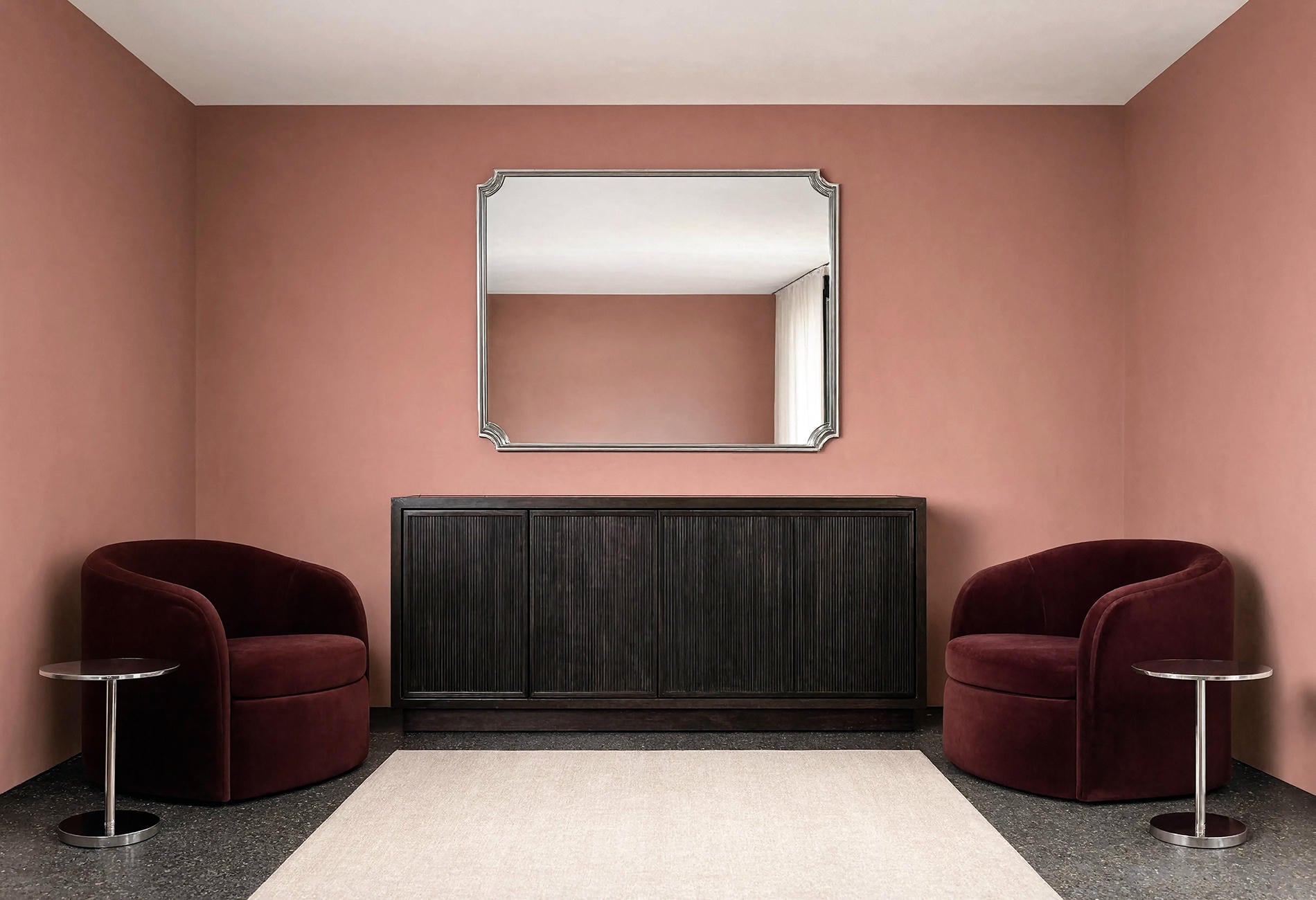
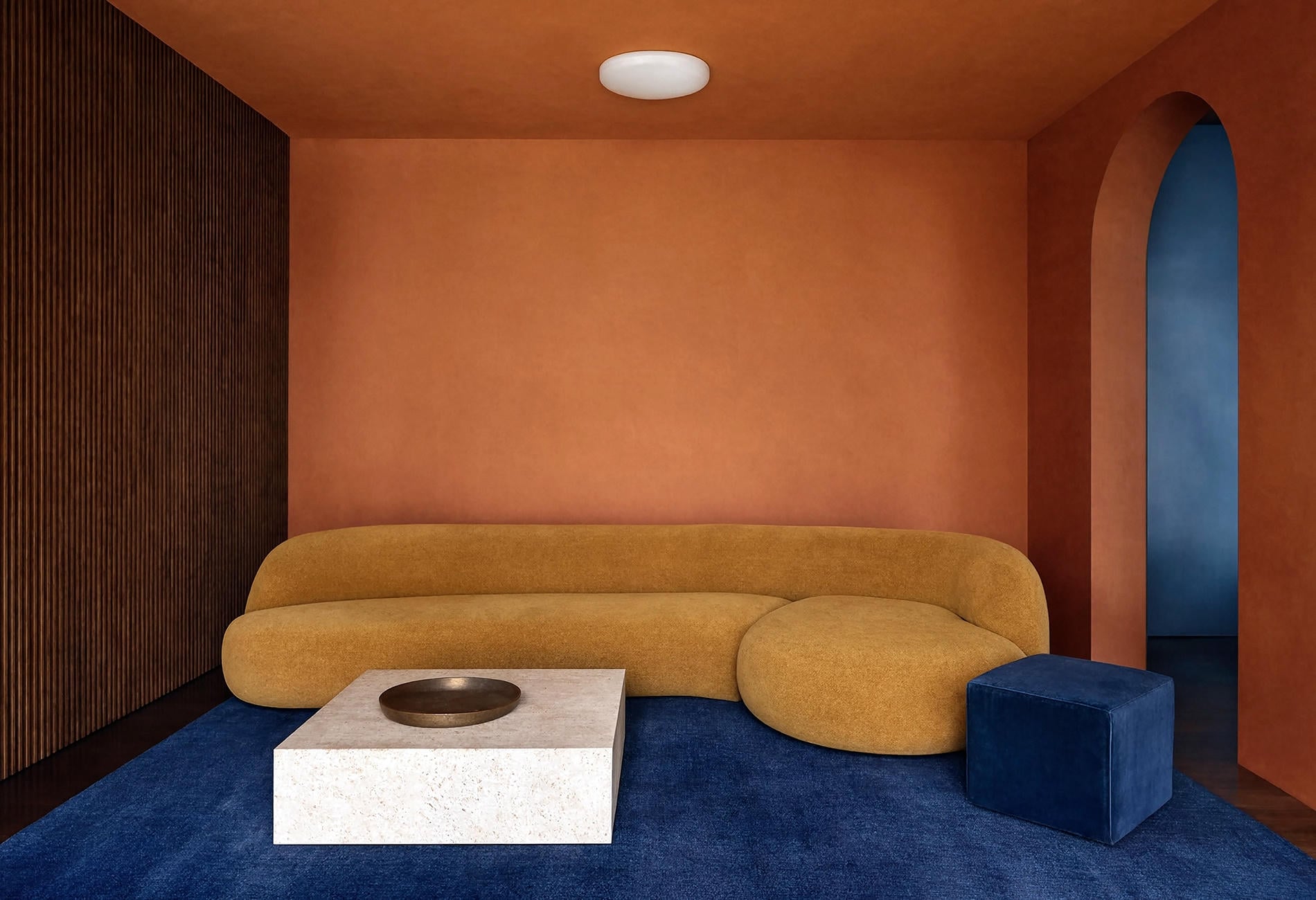
Start with the biggest thing your eye will meet. In a living room, I'd choose a crescent sofa, a pair of barrel chairs, or a broad geometric wall treatment. Give that hero enough clear wall and floor around it to be legible from the doorway.
Next, echo a single feature. A rounded sofa could meet a circular stone table; a fluted cabinet could answer one ribbed lamp base. Stop there. Repetition gets theatrical very quickly, rather like my dog discovering that one bark at the delivery van can become seventeen.
Neo deco furniture earns its place through silhouette and touch. Look for channel upholstery, smoked glass, dark timber, rounded corners, and metal used as a crisp edge rather than a full glitter storm. A matte wool rug or linen curtain is the pressure-release valve; it keeps lacquer, stone, and polished metal from turning chilly.
Your easiest low-commitment move is a sculptural floor lamp beside a simple sofa, plus one large cushion in oxblood or deep teal. If you want a bigger change, bring in a low cabinet with fluted doors. Leave most of its top bare, then set down one weighty bowl or tray. Done.
Let the Bedroom Go Dark and Soft
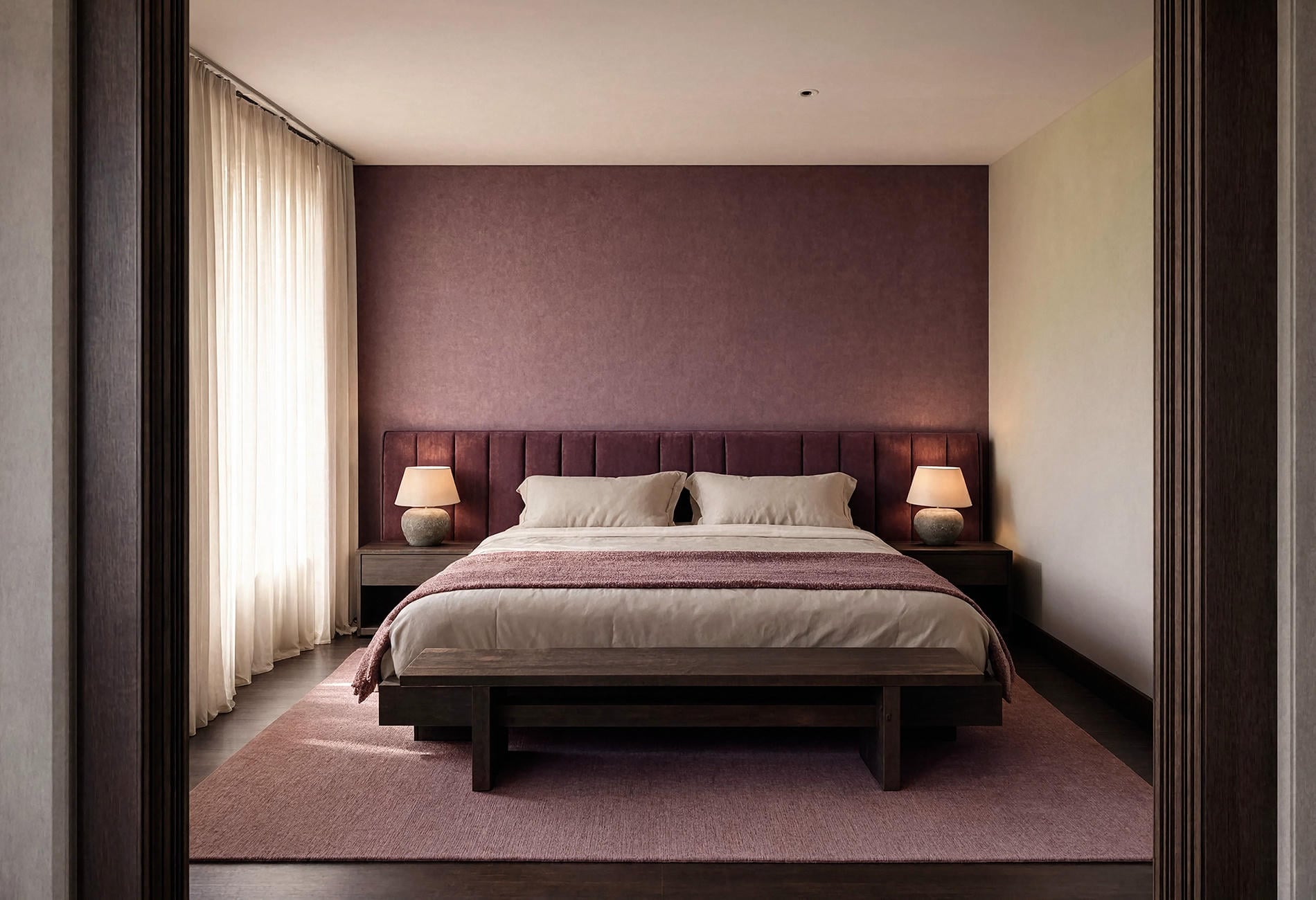
At night, Neo Deco makes more sense. A bedroom can hold aubergine walls, a smoked-oak headboard, and a little aged brass because darkness turns the shine down to a murmur. The room feels cocooned, which is far lovelier than trying to make a bed look like a hotel lobby.
For neo deco bedroom ideas, begin behind the bed. One extra-wide upholstered headboard with vertical channels can carry the entire reference. Add plain washed-linen bedding and a low-pile wool rug so the geometry has somewhere soft to land.
Symmetry works beautifully here, but you don't need matching furniture from one set. Two bedside lamps at the same height can settle mismatched nightstands, while identical curtain panels give a calm edge to a moody wall. Tiny fan-print cushions, mirrored tissue boxes, and little gold statues would be my first cuts. They make a good idea sound like it's shouting through a megaphone.
Treat Lighting as Sculpture, Then Keep It Safe
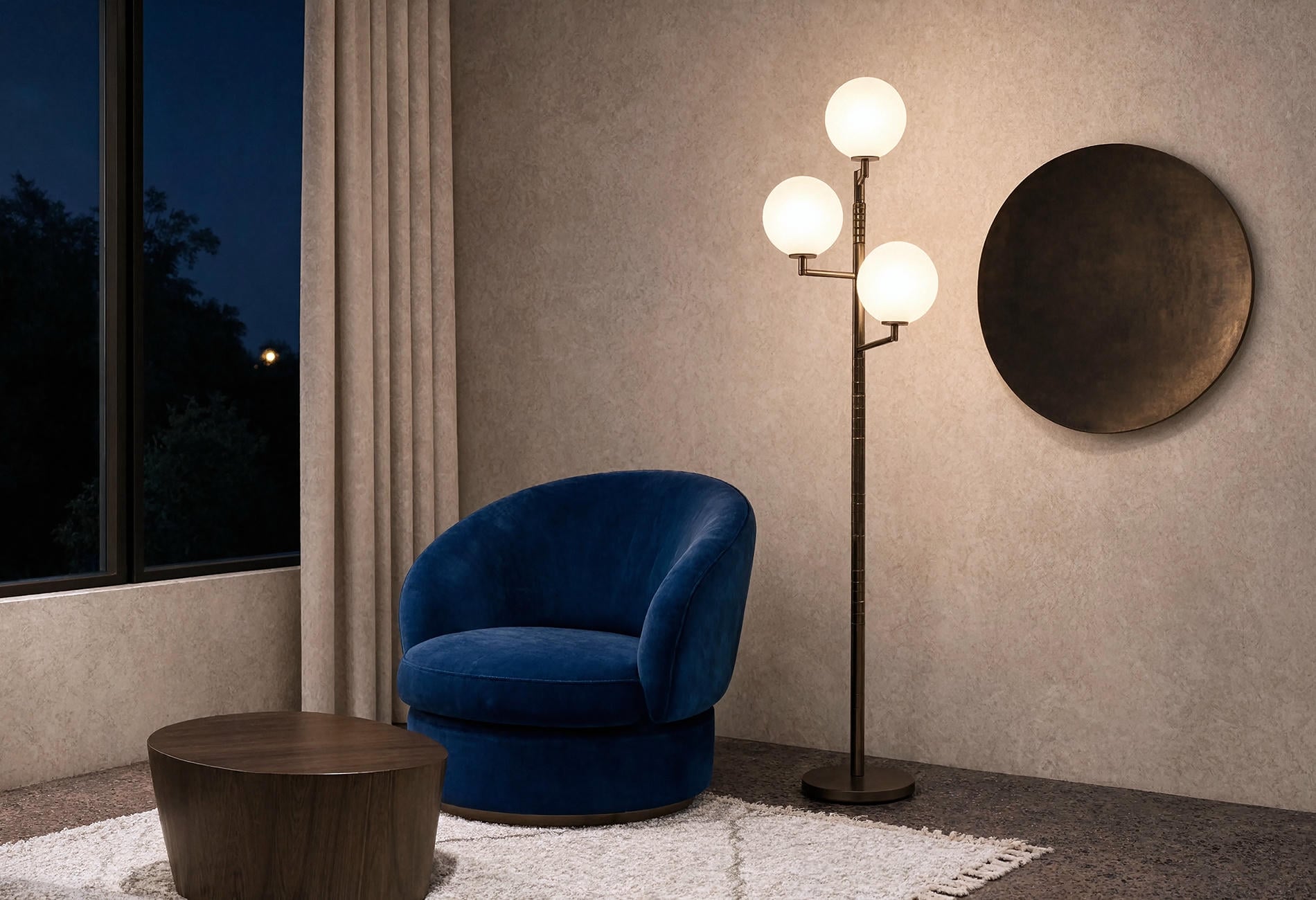
A frosted globe on a dark bronze stem can do more visual work than a scatter of shiny objects, to my eye. Look for neo deco lighting fixtures with stepped shades, broad discs, ribbed glass, or a clean arc. One clear shape reads from across the room.
Quick honest note: I'm not an electrician, and this isn't professional advice. Hardwired fixtures belong with a licensed electrician because mistakes can create shock, fire, and code risks. Plug-in sconces, table lamps, floor lamps, and corded pendants give you plenty of drama with no electrical work behind the wall.
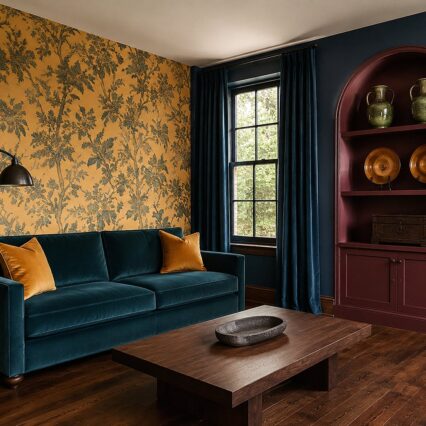
I sort a room's light by jobs: general glow, reading light, and a smaller pool that makes a corner feel intentional. In a Neo Deco room, the fixture itself can be the jewel, so the rest can stay restrained. Warm lamp light against a dark window is particularly good; brass goes honey-colored, velvet loses its hard edge, and the room suddenly has a pulse.
A Neo Deco Color Palette Needs Friction
Beige plus gold is allowed. I simply think it's the least interesting answer.
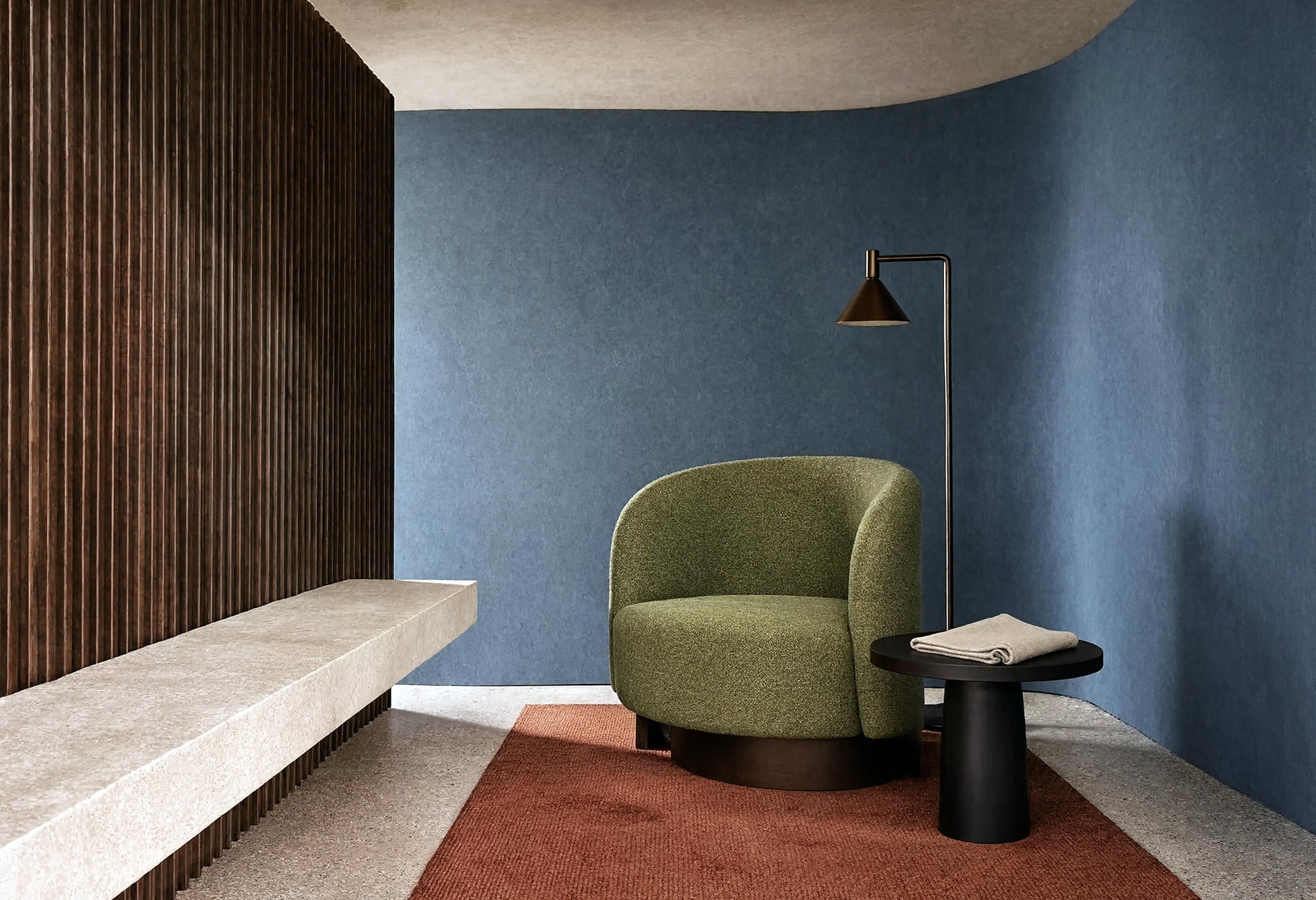
The neo deco color palette I keep gravitating toward has one saturated field, one dark anchor, and one softer relief. Try deep teal with walnut and parchment, oxblood with dusty rose and smoked oak, or olive with mineral blue and aged metal. Choose the broadest color for a wall or sofa instead of sprinkling it around in nervous little dots.
Finish creates the useful friction. If your cabinet has a soft gloss, let the wall stay matte and the rug stay nubby. If the stone table is polished, a dry timber frame and brushed cotton velvet can take the showroom edge off it. To my eye, one reflective surface looks intentional; six look as if the room is trying to catch a signal.

Test the combination in the actual light you live with. A blue that feels jewel-like at noon may go nearly black after dinner. That can be gorgeous. It should be a choice.
Make Geometric Wallpaper Big Enough to Matter
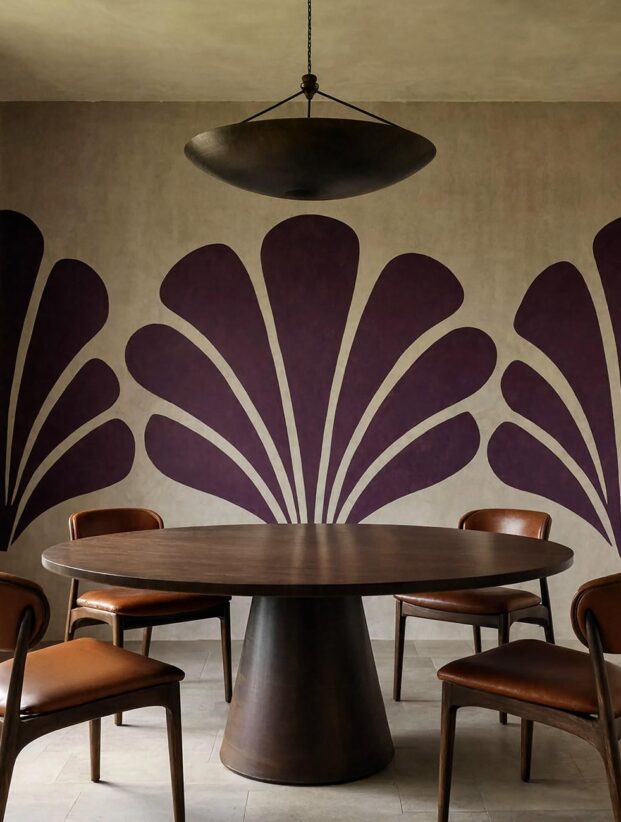
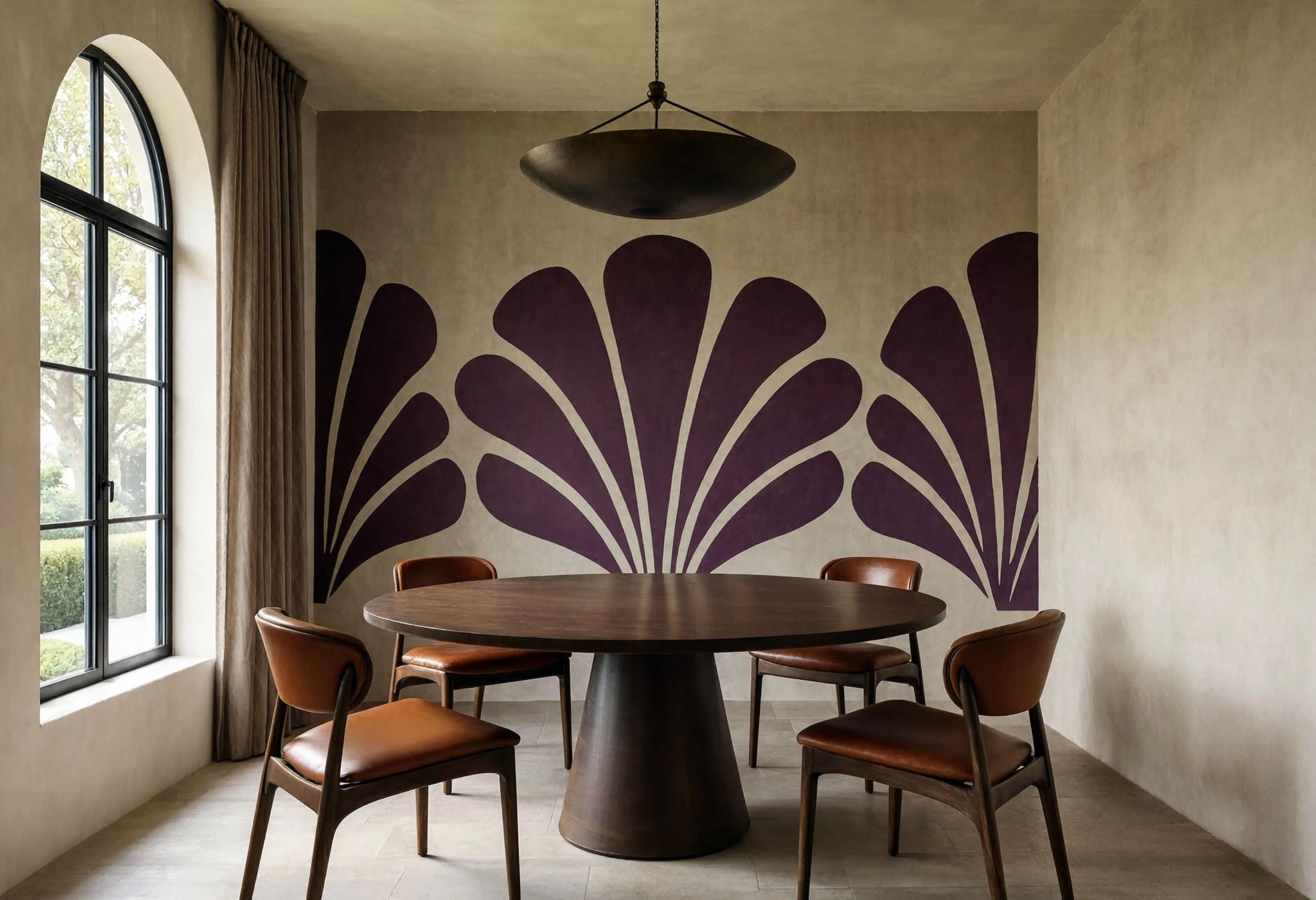
Small repeats are the trap. A tiny fan or maze pattern can turn buzzy across a full wall, especially once furniture sits in front of it. Neo deco geometric wallpaper looks calmer when the motif is oversized: broad arches, thick scallops, or a simple stepped line with plenty of open ground.
Give it one wall and a clean view. Behind a bed, in a dining alcove, or along the wall facing an entry, a large motif reads as architecture rather than confetti. Keep adjoining walls plain, then let a single furniture curve answer the pattern.
Renters can get the idea through removable paper, provided the wall finish and product instructions are suitable. A fabric panel carrying one huge painted fan can make an equally bold temporary focal point. And if pattern makes you twitchy, use wide painted bands or simple applied molding instead; the geometry matters more than the medium.
The Room Should Whisper After Dark
Stand at the doorway and squint. You should still see the silhouette, the dark-light rhythm, and one deliberate glint. If everything sparkles back, edit again.
The most persuasive contemporary Art Deco home doesn't need to announce its reference. At the end of the evening, the brass lamp makes a small amber oval on the wall, the curve of the chair disappears into shadow, and the dark wood holds the last thin stripe of window light.
Neo Deco Interior Design Q&A
What is neo deco interior design?
Neo deco interior design is a loose current label for rooms that reinterpret Art Deco geometry, symmetry, rich color, and tactile materials through modern furniture and more restraint. It isn't a formally codified historical movement; Art Deco is the historical reference, while Neo Deco describes a contemporary interpretation seen in current coverage and saved rooms.
How do you decorate in a neo deco style?
Choose one bold focal point, repeat one shape or finish once, and keep surrounding surfaces quiet. A curved sofa, fluted dark-wood cabinet, or oversized geometric wall can establish the look without a pile of themed accessories.
What are the characteristics of modern Art Deco?
The current rooms I keep saving use strong geometry, sculptural curves, saturated color, dark wood, and a controlled touch of gloss or metal. To my eye, their comfortable silhouettes and matte materials soften the glamour.
Can Neo Deco work in a small room?
Yes. Use one large, clear gesture rather than several small ones: a rounded chair, a broad wallpaper motif, or a substantial plug-in lamp. Keep the floor plan easy to move through and let plain surfaces do part of the design work.