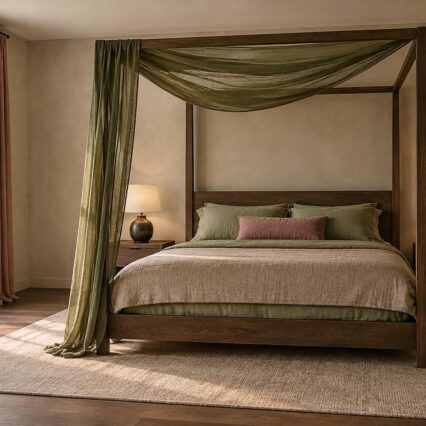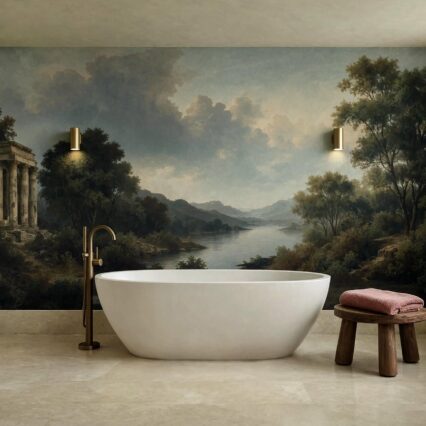
Halfway through a castlecore living room makeover, there's a dangerous moment when the brass candlesticks multiply and the room begins to resemble a theme restaurant. Put the tiny suit of armor down. The good version of this look feels aged and shadowy, with enough ordinary comfort to keep the drama honest.
My favorite castlecore living room ideas rely on four layers: bones, cloth, glow, and glint. Bones are the architectural shapes and weighty furniture. Cloth brings velvet, wool, and sweeping curtains. Glow comes from lamps and firelight. Glint is the final sliver of aged brass or gold -- emphasis on sliver.
You don't need stone walls, a cavernous ceiling, or ancestral property with suspiciously specific portraits. A rental, a small living room, and a sensible budget can carry the mood beautifully when those four layers are balanced.
Borrow Grand-Hall Scale Without Filling the Room
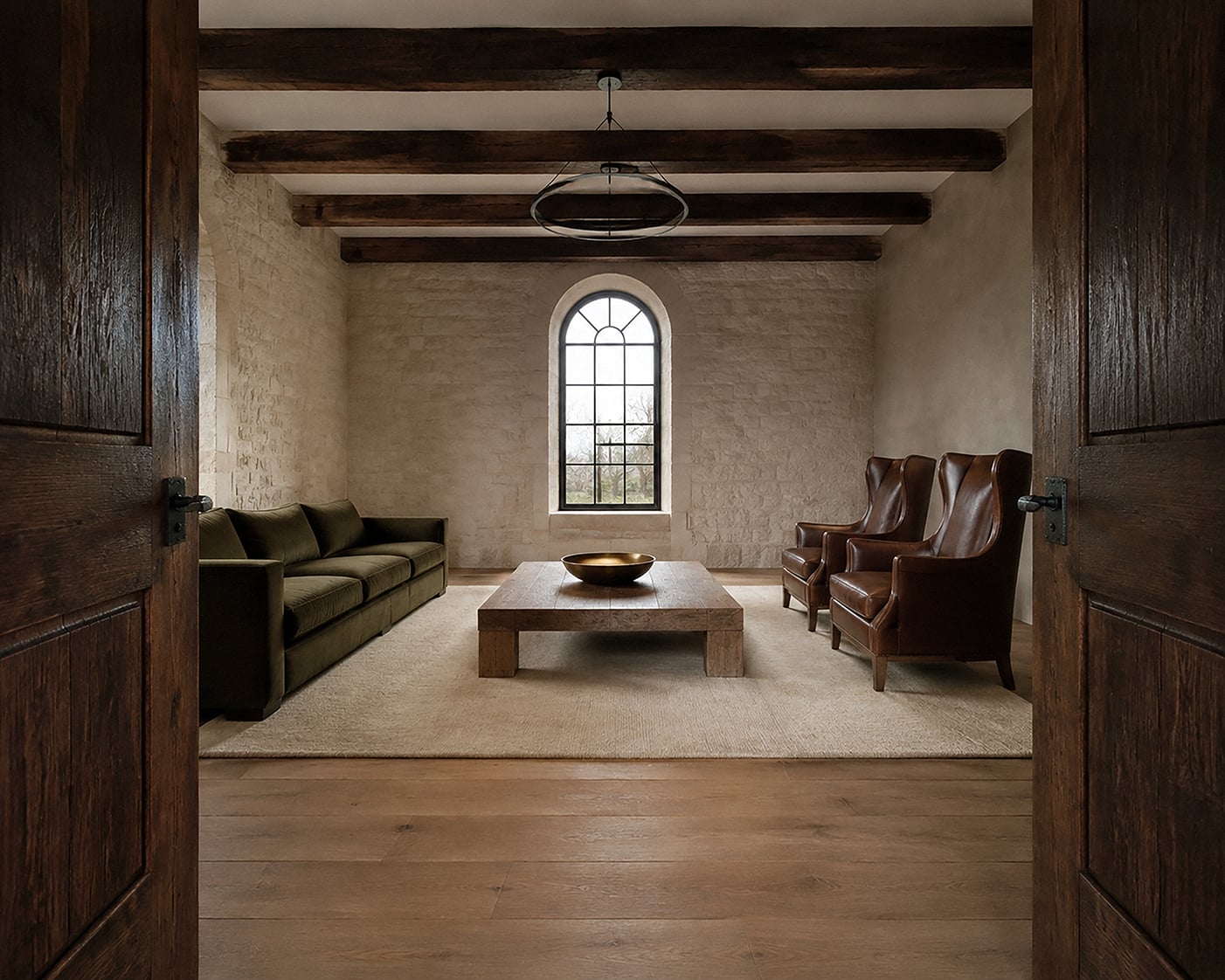
A medieval grand hall lounge design works because the room has a strong center and pieces with visual weight. Translate that into a normal home with one substantial sofa, a broad rug, and a coffee table that looks capable of surviving several centuries and one spilled mug.
Let your largest piece establish the axis. In a long room, aim the sofa toward the fireplace or the longest uninterrupted wall, then place chairs across from it rather than dotting them around the perimeter. In a square room, a sofa and two generous chairs can form a loose U, leaving the doorway clear.
The point is ceremony without stiffness. You want conversation to feel inevitable.
For my money, fewer large pieces look more convincing here than a parade of spindly tables. A rolled-arm sofa, a deep bench, a trunk-like coffee table, or a high-backed chair gives you that old-house gravity. Leave breathing room around the hero piece so its silhouette can register.
Build a Castlecore Living Room Color Palette in Layers
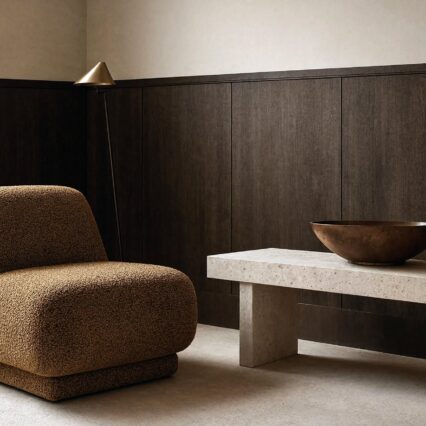
Color gets delicious once you stop treating "dark" as a single swatch. Start with one shadow color such as oxblood, forest green, ink blue, or soot-softened charcoal. Add a worn neutral, perhaps parchment, mushroom, or limestone. Then let warm wood and a little aged metal carry the rest.
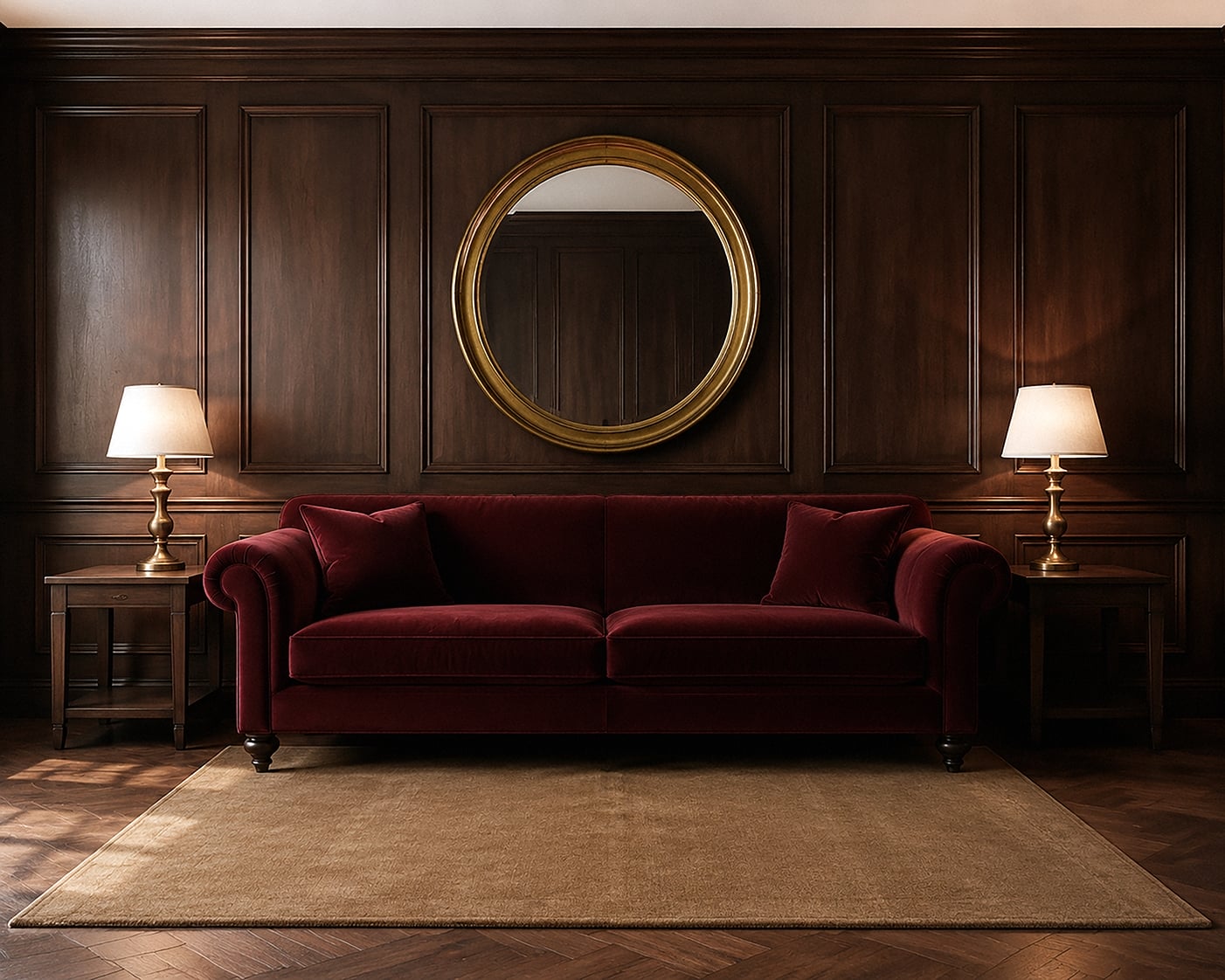
Rich burgundy and gold room accents can go wrong when every object is trying to be the jewel. I'd rather see burgundy across one broad field -- a sofa, curtains, or painted wall -- with dull gold appearing at the edge of a mirror, on a lamp base, and nowhere else nearby. Polished yellow metal feels too crisp to my eye; rubbed or darkened finishes sit more quietly with old-looking materials.
Sample your dark color in the actual room before committing. Morning light may pull green from charcoal, while evening can flatten a beautiful wine red into brown. Paint a large movable board if you're hesitant, then look at it beside the sofa and curtains at several points during the day.
For moody castlecore living room ideas, contrast matters as much as darkness. A pale lampshade, a warm plaster wall, or a faded oat-colored rug keeps the shadows readable. Black-on-black-on-black is less mysterious than you might think. Sometimes it's just a cave with Wi-Fi.
Make the Fireplace Feel Ancient and the Seating Feel Current
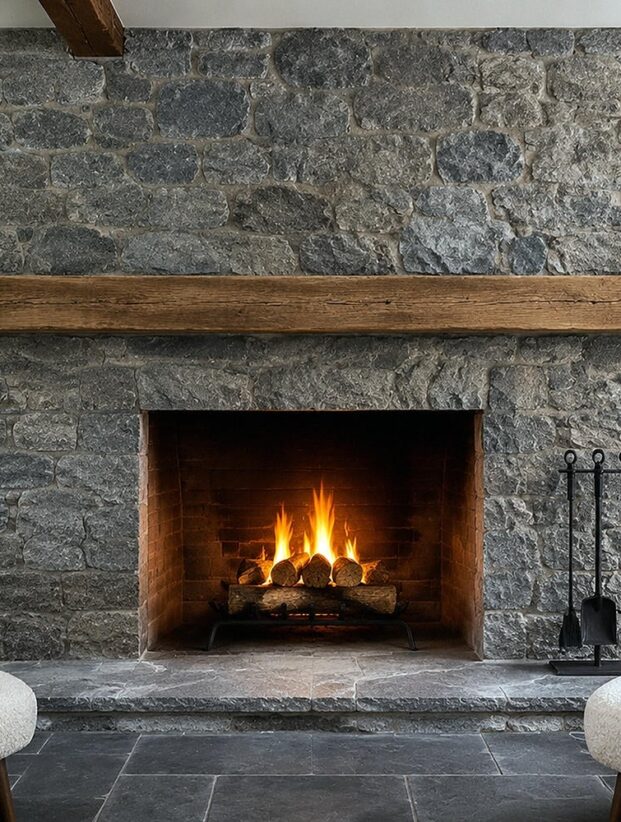
Firelight already does half the atmospheric work. Give the fireplace a clear role by pulling seating toward it, clearing the mantel, and repeating the surround material once elsewhere -- stone in a side table, dark iron in a lamp, or oak in the coffee table.
Quick honest note: I'm not an electrician or a contractor, and nothing here is professional advice. Fireplaces, gas features, structural changes, and hardwired lighting belong with licensed pros because fire, shock, code, and venting risks are real. Hiring the right person is the smart move; the plug-in and furniture ideas here stay firmly on the decorating side.
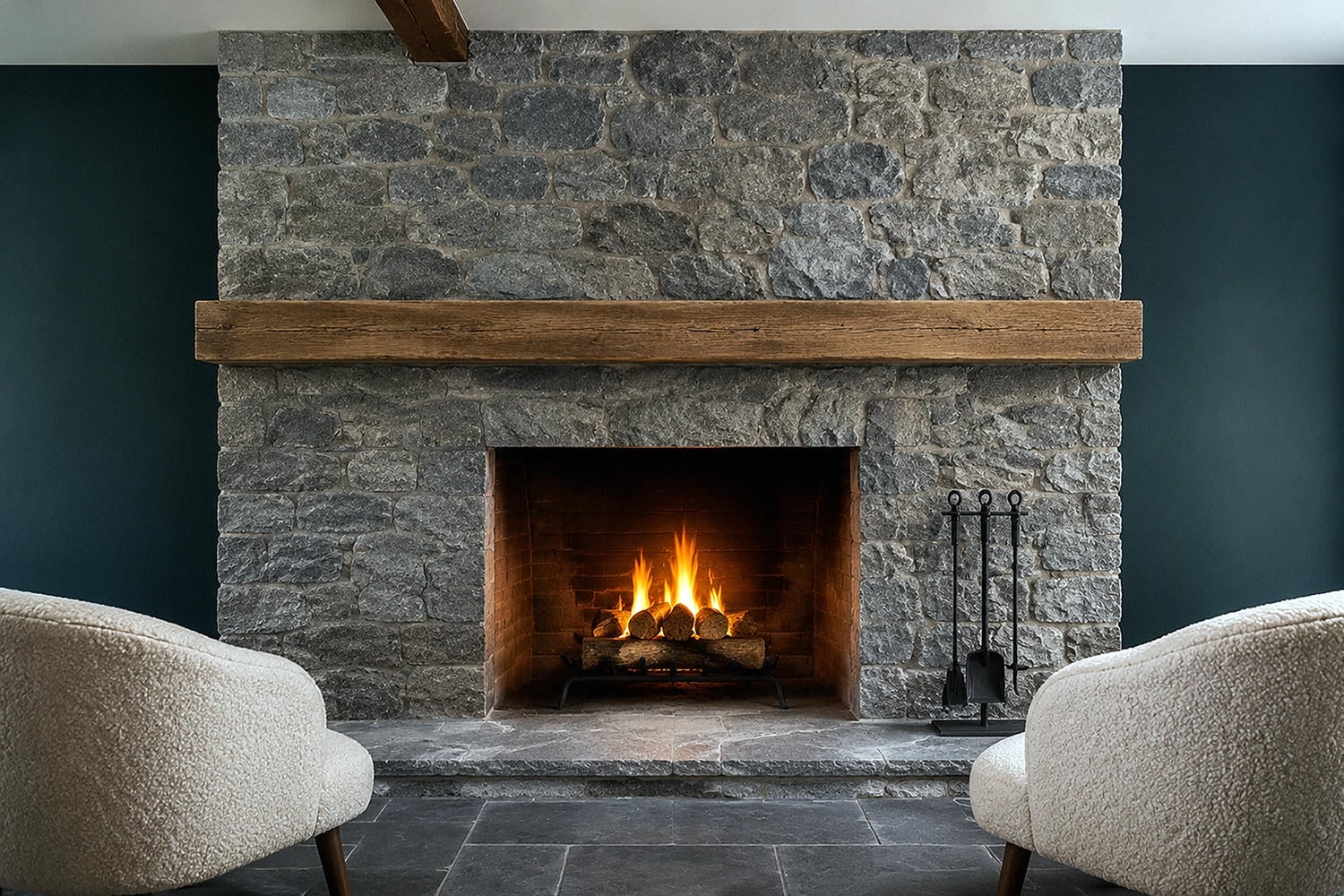
In a castlecore living room with a fireplace, restraint around the hearth is especially lovely. Try a bare timber mantel or one large, plain mirror. A battalion of miniature goblets will only make dusting feel feudal.
If the firebox isn't usable, let a qualified fireplace professional assess it before you plan around flames. You can still give the opening presence with a simple fitted screen chosen for the existing hearth, or arrange the room to treat the surround as architecture. No pretend embers required.
Give a Rental Good Bones You Can Take With You
White rental walls aren't the enemy. They're a pale stone stand-in, which sounds much better already.
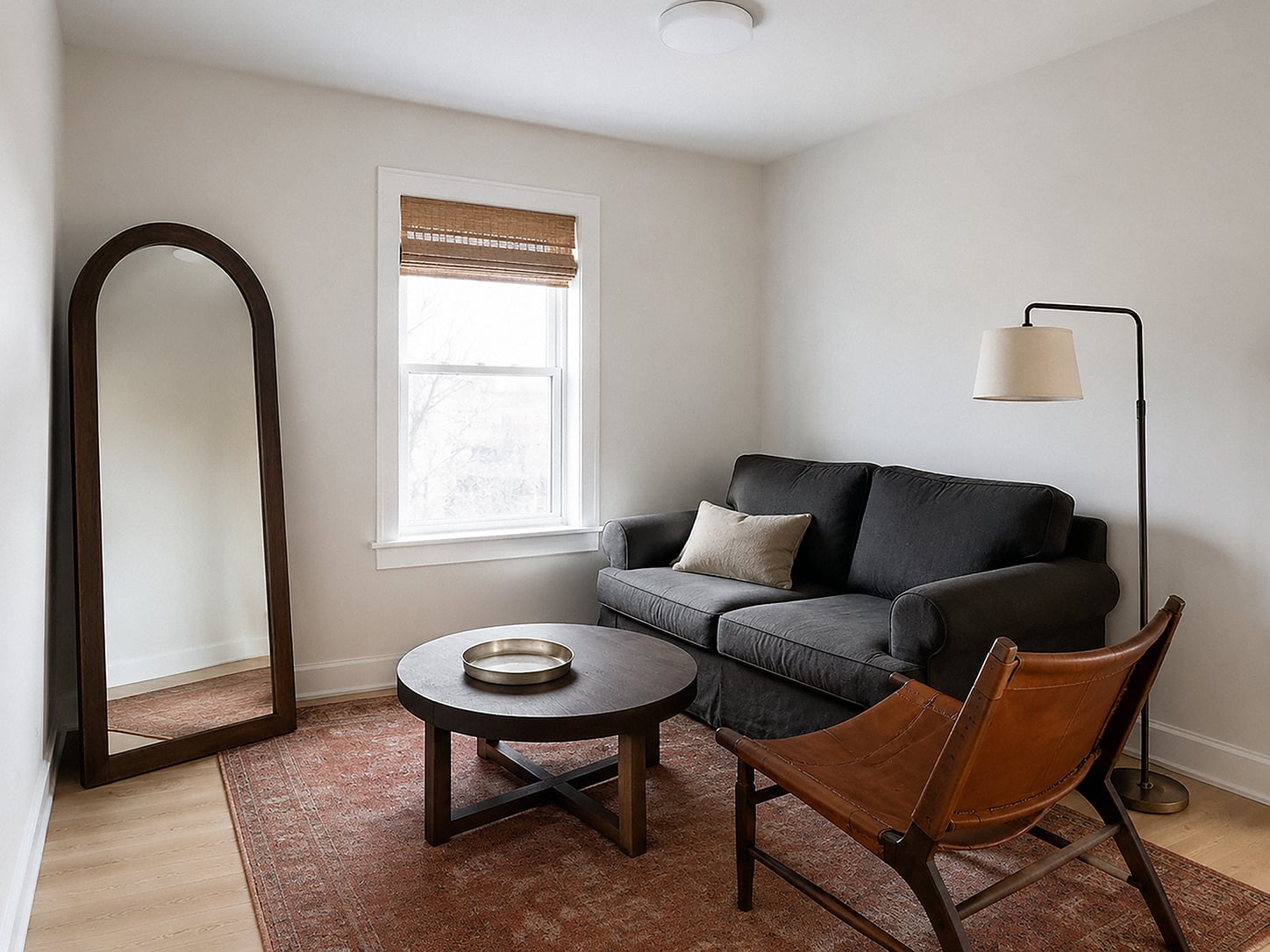
For castlecore living room ideas for renters, create architecture with objects that lean, hang through renter-approved methods, or simply stand on the floor. A tall arched mirror adds a Gothic line. A folding screen in dark wood makes a shallow corner feel like an alcove. Removable wall treatments can deepen one wall, provided the material suits your lease and you test a hidden patch first.
Budget castlecore works best when you buy shape before ornament. Look for a secondhand wood table with a blunt, heavy profile, a plain lamp with a dark metal base, or curtains long enough to kiss the floor. If you're considering older painted furniture, check its age and condition; pre-1978 paint may contain lead, so testing or professional guidance is worth the trouble.
Textiles deserve the same care. With secondhand washable curtains or cushion covers, launder them according to the fabric's care instructions before bringing them into use. I'd pass on upholstered pieces with stains of unknown origin. Mystery is excellent in a novel and less charming in a sofa.
Hang One Woven Story and Let It Own the Wall
The fastest route to theatrical kitsch is scattering crests and swords across every surface. One large medieval-style woven wall hanging feels calmer and far more grown-up, especially when the surrounding wall stays plain.
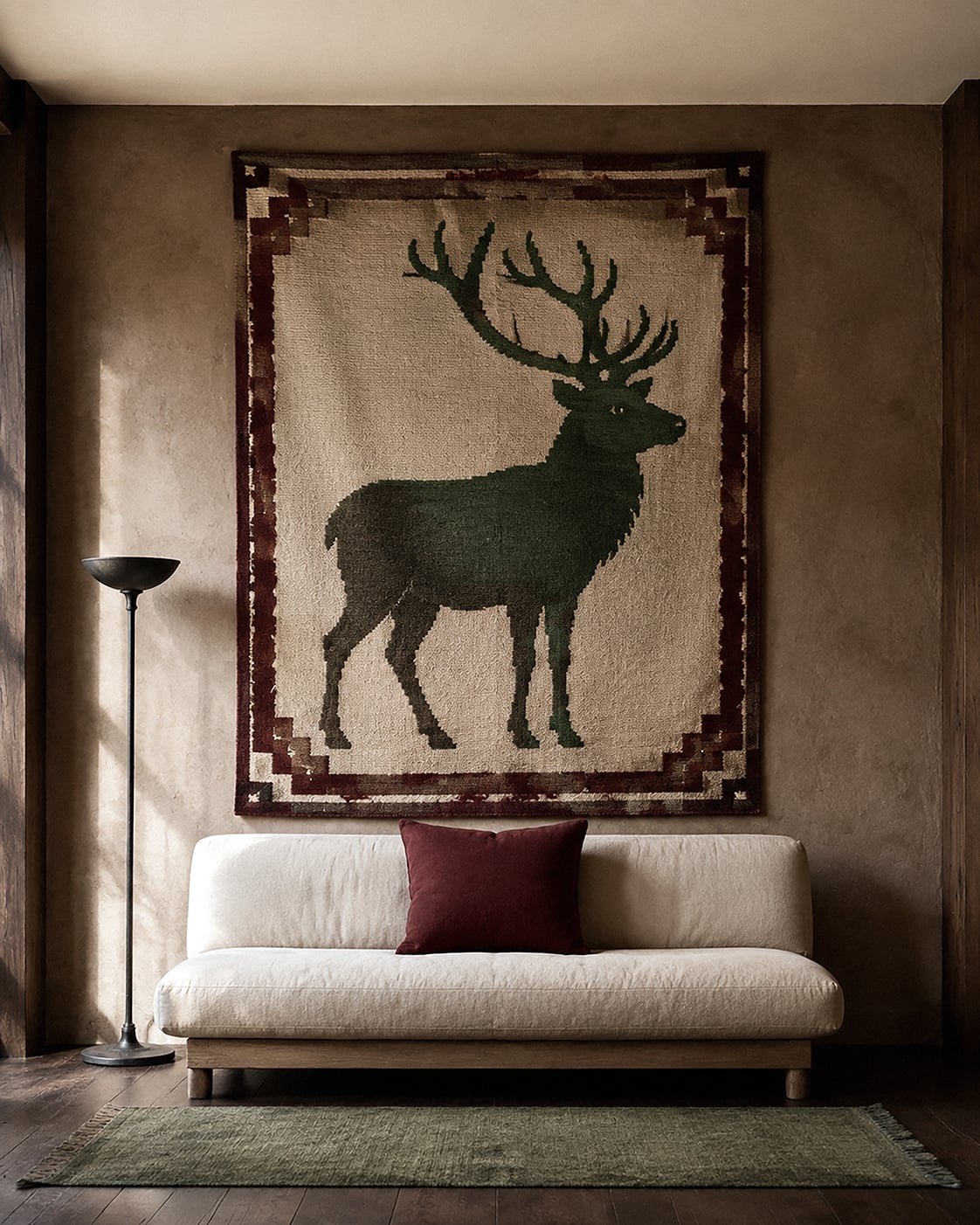
Choose a design that reads from across the room: a broad woodland scene, a simple heraldic animal, or a large geometric border. Fine detail turns to visual static. And if the textile is visually busy, keep the sofa beneath it solid and the nearby tables spare.
Scale changes the mood. A small hanging can resemble a souvenir; a generous one behaves more like architecture, softening a broad wall and lending the room a sense of history. In a rental, use a hanging method approved for your wall type and lease, or drape the textile over a freestanding rail.
Here's my slightly bossy opinion: this should be the only overtly medieval object in the room. Let the rest whisper through wool, oak, arched shapes, and iron.
Choose Furniture That Invites a Long Evening
Furniture is where castlecore becomes livable or turns into a photo set. Comfort has to win. Anything that looks as if it would punish you for slouching belongs in a corridor outside the imaginary throne room.
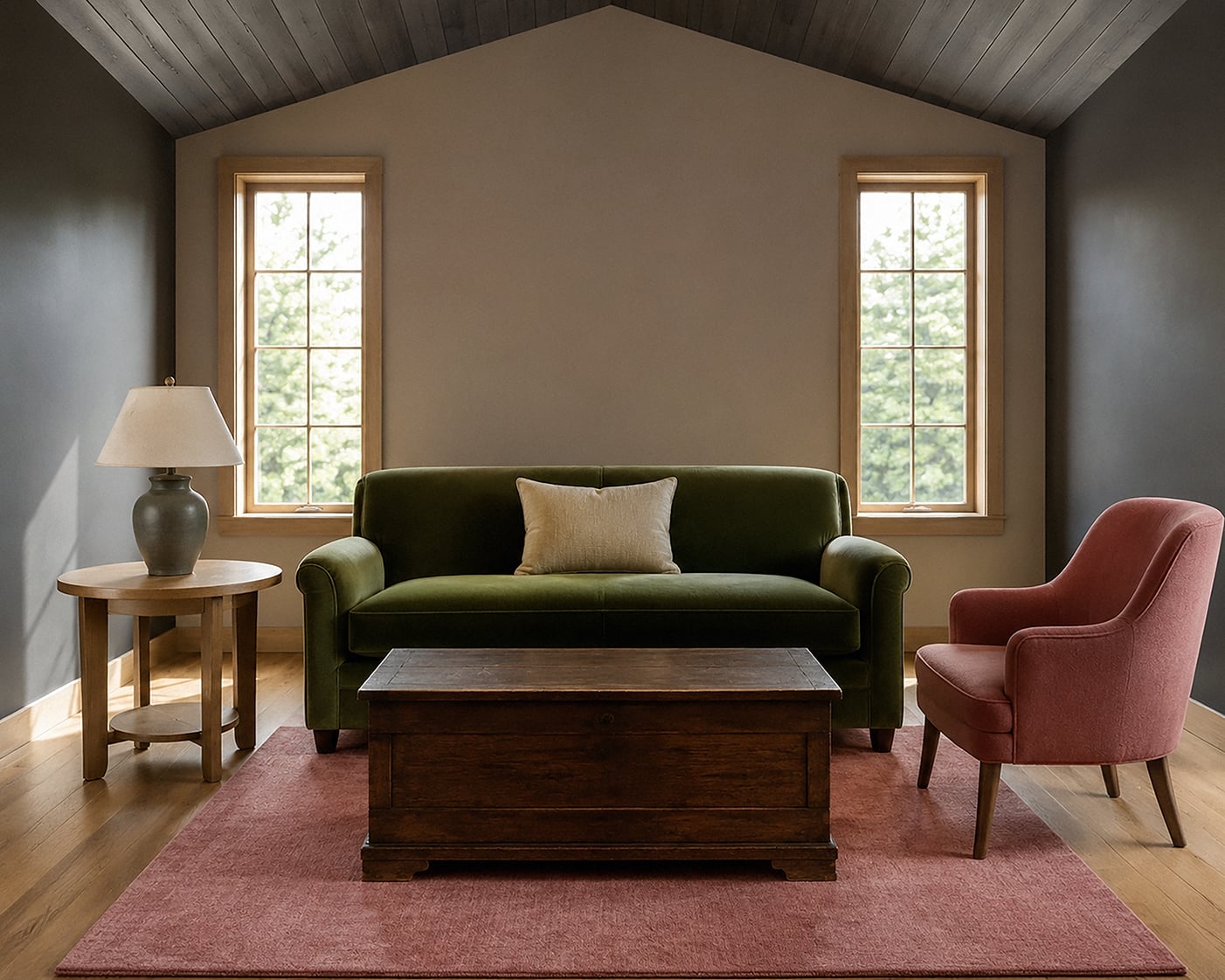
A castlecore living room with a velvet sofa has an easy focal point, so let the pile catch the light. Moss green, wine, aubergine, and midnight blue all carry depth without needing a pattern. If a full velvet sofa feels too formal, use velvet on one chair or two cushion covers and keep the main upholstery in linen or wool.
Wood should look substantial rather than fussy. I like simple turned legs, broad arms, and chests with visible grain. Dark leather can join the mix, though a whole room of it may drift toward private club territory. One leather chair beside a wool sofa is plenty for most rooms.

Arrange furniture in a dark room by protecting the path of daylight first. Keep tall pieces away from the brightest window, float the sofa when the room allows it, and angle a chair so it receives window light across the side. Then check the room after sunset. A daytime layout can reveal a dead corner at night, which is where your next lamp belongs.
Layer Castlecore Lighting at Human Height
Lighting should make faces look warm and fabrics look touchable. The ceiling fixture can be beautiful, but I wouldn't ask it to do the whole job.
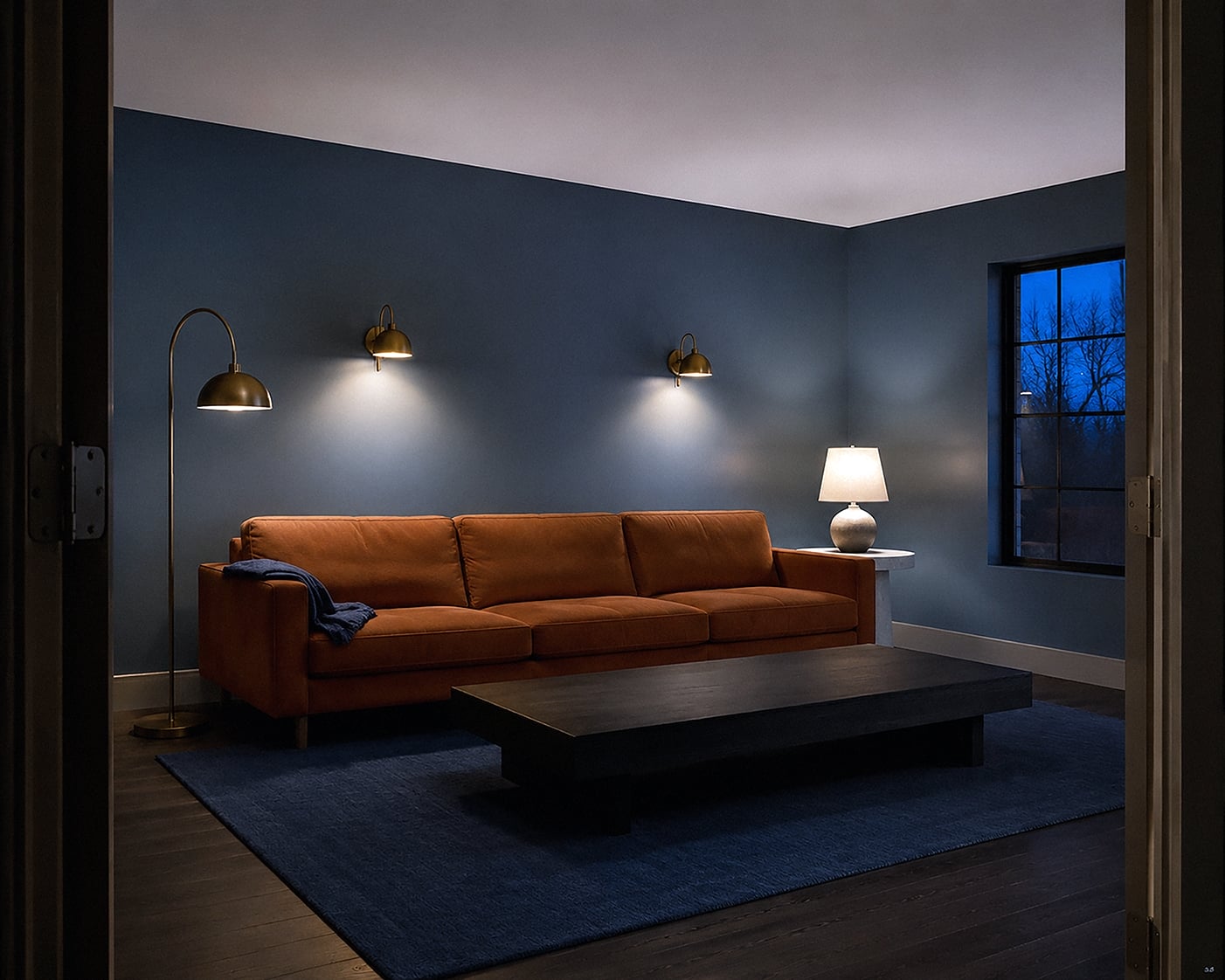
My approach to castlecore living room lighting is to give light several jobs: a floor lamp for broad fill, a table lamp near a reading chair, and one low glow aimed at the wall or fireplace. Your room may want more or less depending on its size and daylight. Keep the bulbs warm to your own eye, and test one in the room before buying a batch because preferences genuinely differ.
Plug-in sconces can frame a sofa or fireplace without new wiring. Corded picture-style lights can wash a woven wall hanging, while rechargeable lamps bring a pool of light to a table with no outlet nearby. If you want a hardwired chandelier or wall lights, let a licensed electrician assess and install them.
I'd choose simple silhouettes, perhaps a dark metal floor lamp or a weighty brass base under a linen shade. Faux candle fixtures can tip into banquet-hall comedy when the arms get too busy. Keep it simple.
Use Drapes to Raise the Ceiling and Quiet the Edges
Dramatic floor-to-ceiling drapes are the cloth layer doing serious work. Mount the visual line near the ceiling and choose panels with enough fullness to form broad folds. For hardware placement or any fixing that could affect the wall structure, ask an appropriate pro; renters should use lease-approved options.
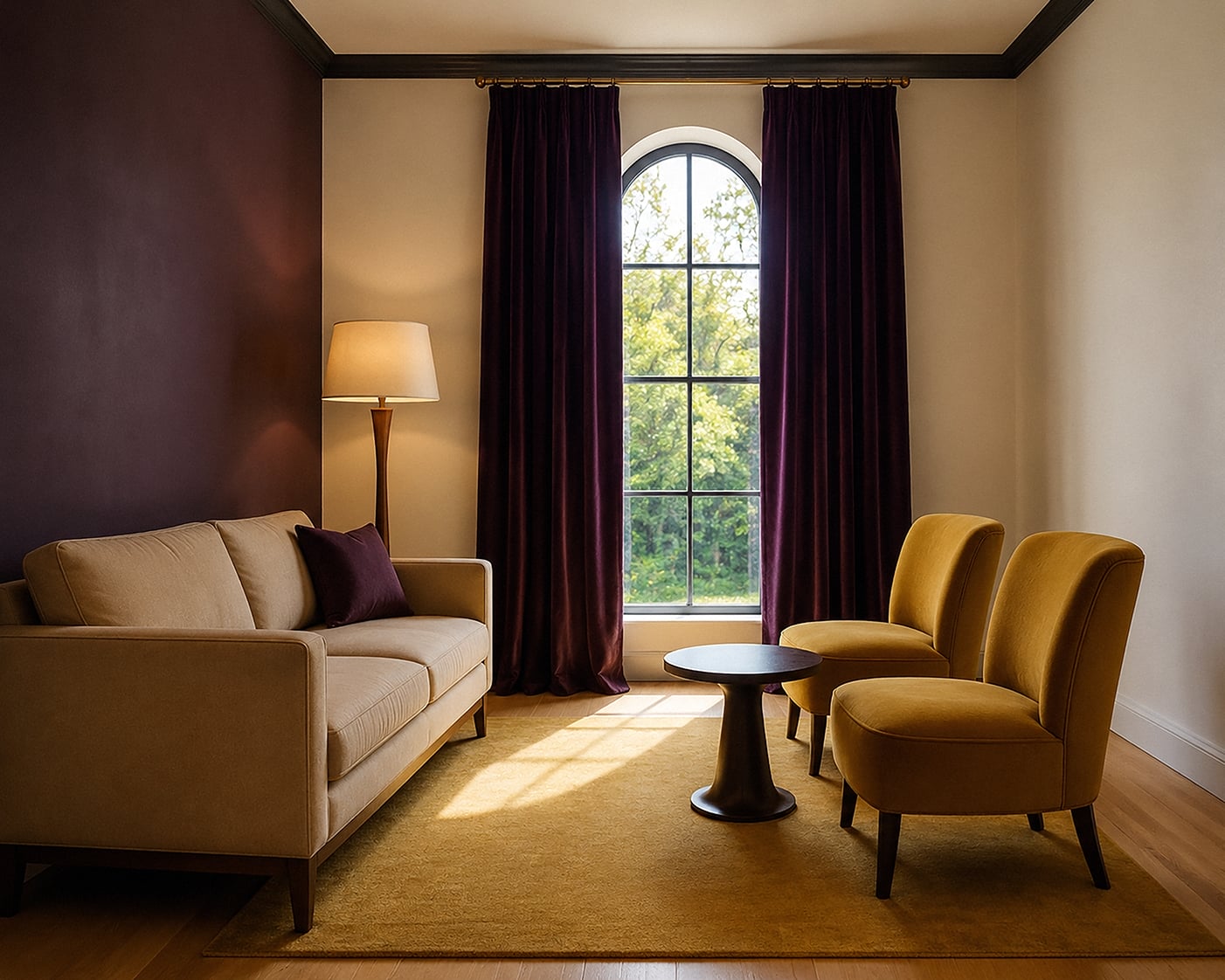
In a small castlecore living room, curtains can carry nearly all the drama. Plum velvet against pale walls feels lush; tobacco linen against deep green is earthier. Keep the window glass as open as privacy allows during the day so a dark palette still has sparkle.
Then simplify the floor plan. Pick a compact sofa with visible legs, use one sturdy side table rather than matching pairs, and let an ottoman serve as the coffee table when needed. Your eye needs a little open floor between the rug and doorway. Even castles had routes through them, presumably for urgent messages and people carrying soup.
The room doesn't need to prove anything. If you have a velvet chair, deep-colored curtains, and one lamp that makes late afternoon feel like a secret, you're allowed to stop. Castlecore should give you permission to be romantic at home, even when home has low ceilings and a landlord.
Castlecore Living Room Q&A
How do you decorate a castlecore living room without making it look themed?
Build the look through material and shape: dark wood, wool, velvet, stone-like finishes, arched lines, and warm metal. Keep overt medieval motifs to one large feature, then let ordinary modern comforts remain visible.
What is a Gothic living room style, and how is it different from castlecore?
Gothic living room style leans harder into pointed arches and ornate silhouettes, often with dramatic dark contrast. Castlecore can be broader and softer, pulling from rustic halls, old libraries, worn textiles, and firelit rooms as well as Gothic architecture.
Can castlecore work in a small living room?
Yes. Use one saturated color field, one substantial hero piece, and several small pools of warm light, then protect clear walking paths. Floor-length curtains and an arched mirror can add height without consuming much floor area.
What should I buy first for a castlecore living room on a budget?
Start with fabric because it changes a large area without structural work. Long curtains, a deep-toned throw, or washable velvet cushion covers can establish the palette before you hunt for a weighty secondhand table or dark metal lamp.