Dark Academia and Moody Interiors That Feel Cozy, Never Gloomy
Dark academia has been done dirty by rooms that look like a costume department lost power. Black paint, a wing chair, a mysterious brass object -- apparently the poor lamp is expected to carry the whole plot.
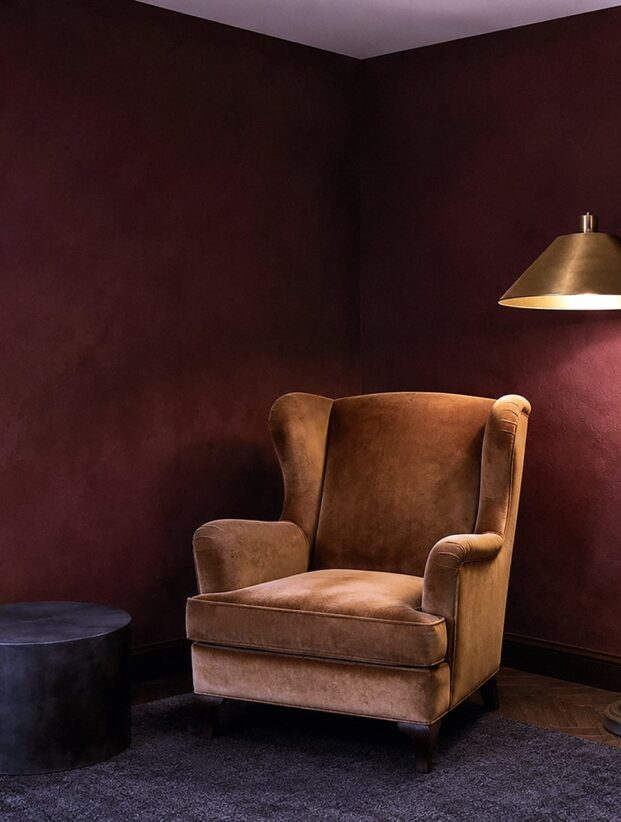
The look gets much better when you stop treating darkness as the theme and start treating it as structure. Deep paint can bring the walls close. Add timber under your hand and a shaded lamp beside a chair; suddenly the darkness has places to break.
Shadow needs edges. Let old materials sit on clear surfaces, then put the light where you actually live. Romance can stay; just leave enough glow to find your tea.
You don't need a manor house or a ceiling tall enough for an ancestral ghost.
Let the Light Decide How Dark You Go
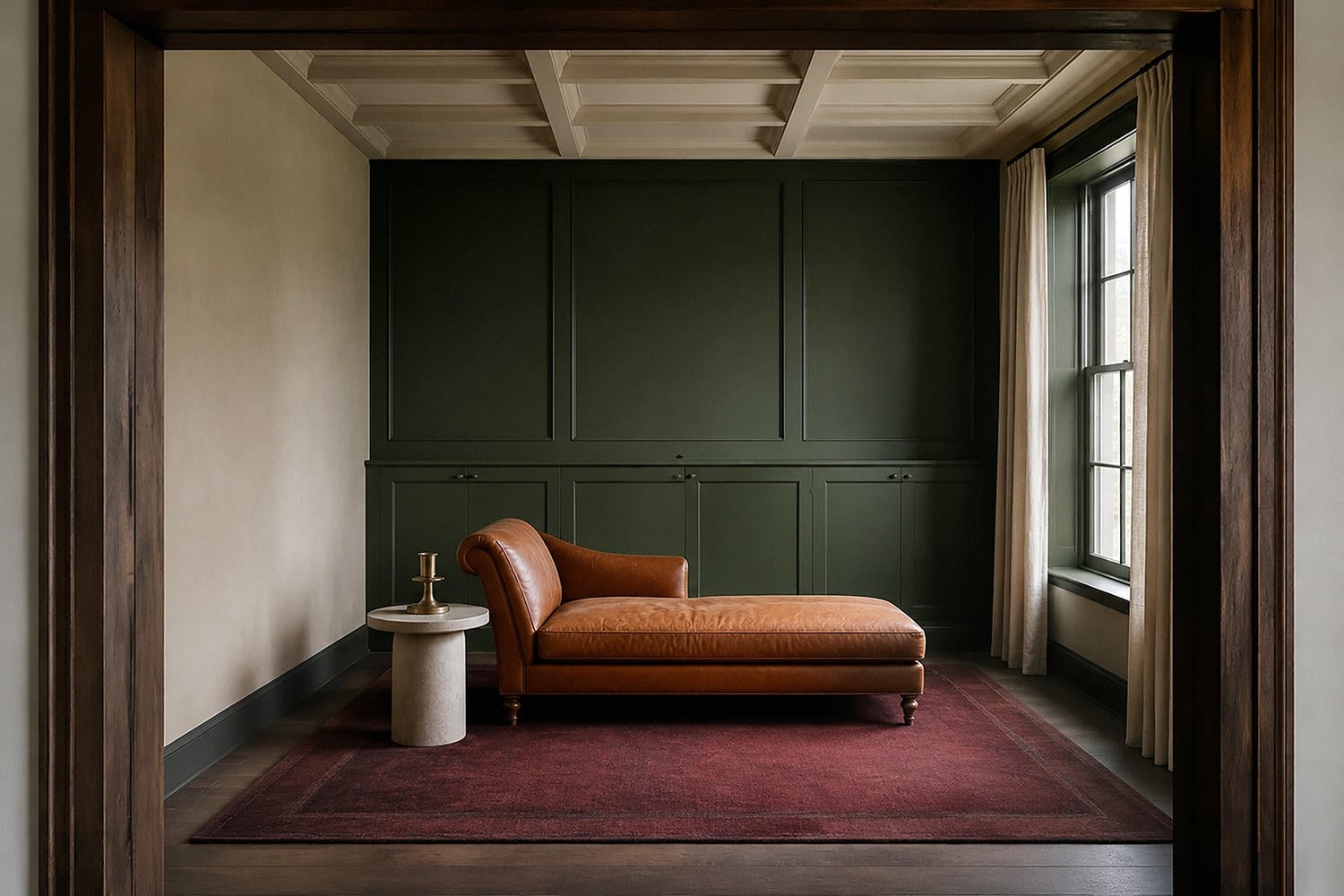
At four in the afternoon, a deep green wall can hold a stripe of window light like velvet holds the mark of a hand. Come evening, that same color may settle close to black. Watch your room through a full day before choosing anything from a tiny paint chip.
Tape up generous samples on more than one wall. Look at them beside the floor and trim, then move them next to your largest piece of furniture.
Morning light may pull blue out of charcoal. A north-facing room can make burgundy feel cooler and quieter. These aren't failures; they're information.
Cozy darkness begins with modest light sources rather than one fierce ceiling fixture. A table lamp near the sofa and a broad-shaded task lamp on the desk create useful pools instead of bleaching every corner equally.
A plug-in sconce can catch a neglected seat without asking the ceiling to do anything. I prefer a little shadow left intact; it gives the room somewhere to exhale.
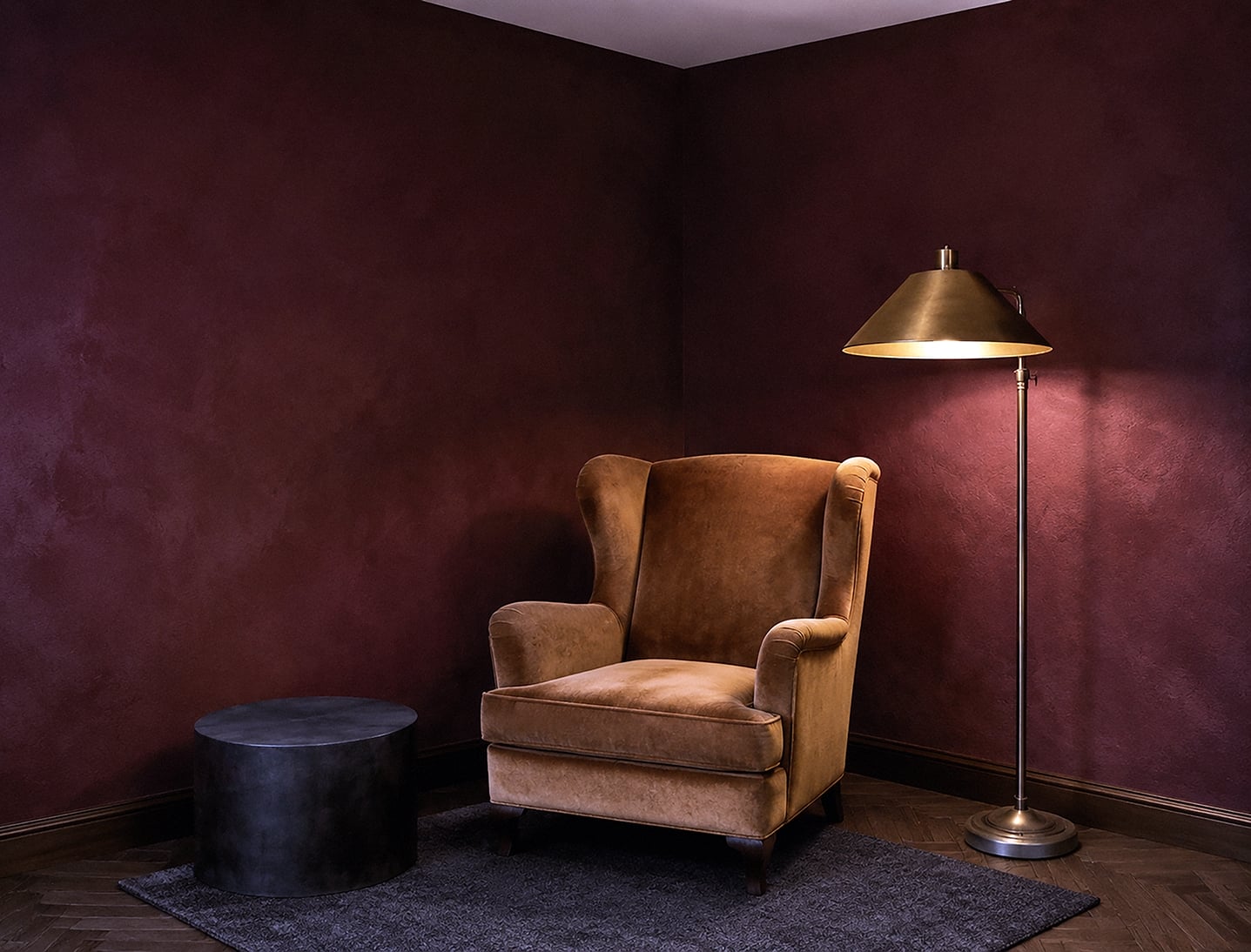
A cream shade matters more than people give it credit for. It sends a mellow glow toward your face while keeping the bulb out of sight, which is very civilized behavior for a lamp.
Build a Victorian Paint Palette in Layers
Choose one dark field color and one warmer companion. Then add a pale note for relief and a small aged-metal glint. For my money, that hierarchy is easier to live with than five equally assertive colors arguing across the room.
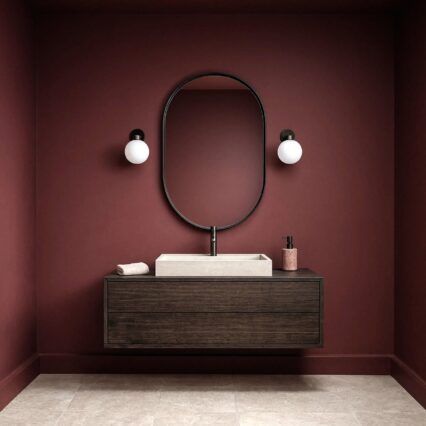
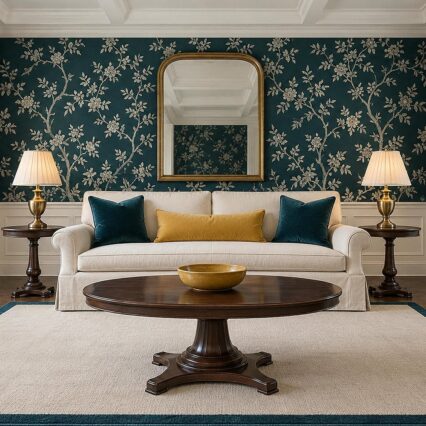
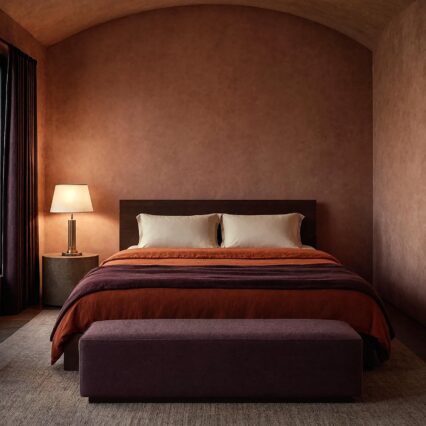
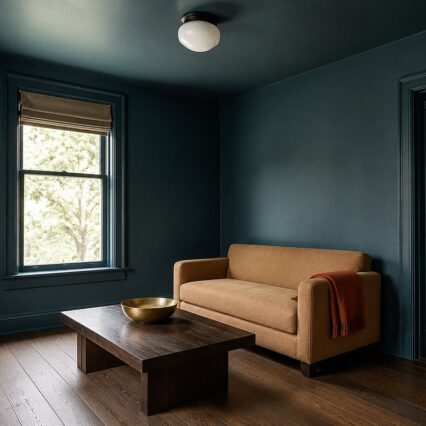
Forest green works beautifully with tobacco brown; old ivory on the ceiling keeps the pair from feeling heavy. Oxblood has more bite beside dusty rose, while walnut keeps it grounded. If red makes you nervous, try sooty mineral blue against parchment-colored linen, then let aged brass bring the small gleam.
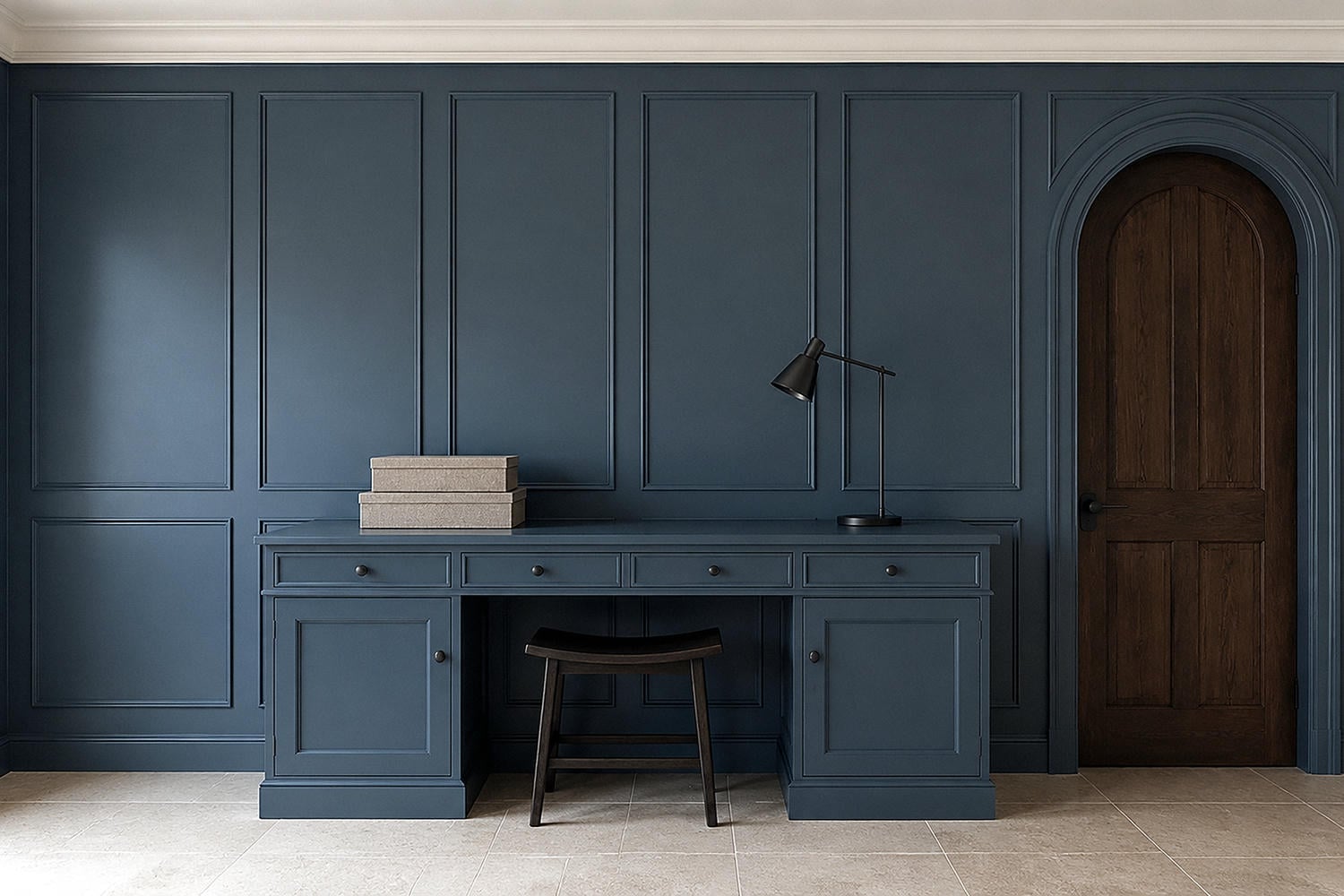
Paint finish changes the read, too. A chalky matte wall lets color absorb light softly, while satin on trim catches a narrow glint around doors and paneling. In a Victorian paint palette, that shift in sheen can clarify the architecture without adding another color.
And please don't assume the ceiling must stay bright white. A muted tone related to the walls can make crown molding feel deliberate, especially in a smaller study. I'd sample it first, because ceilings are shameless color amplifiers (they will announce an undertone you barely noticed on the card).
Give the Darkness Something Solid to Hold
Dark paint alone can look flat. Dark timber beside plaster, stone, velvet, and aged metal has grain and small changes in sheen. Your eye reads those differences even when the palette stays restrained.
A closed-front cabinet is particularly useful in a moody room. It brings the tall, architectural presence you want from a library wall while hiding the printer and charging cables -- all that small modern nonsense. Paneled doors look calmer than a field of open shelves, and calm is luxurious.
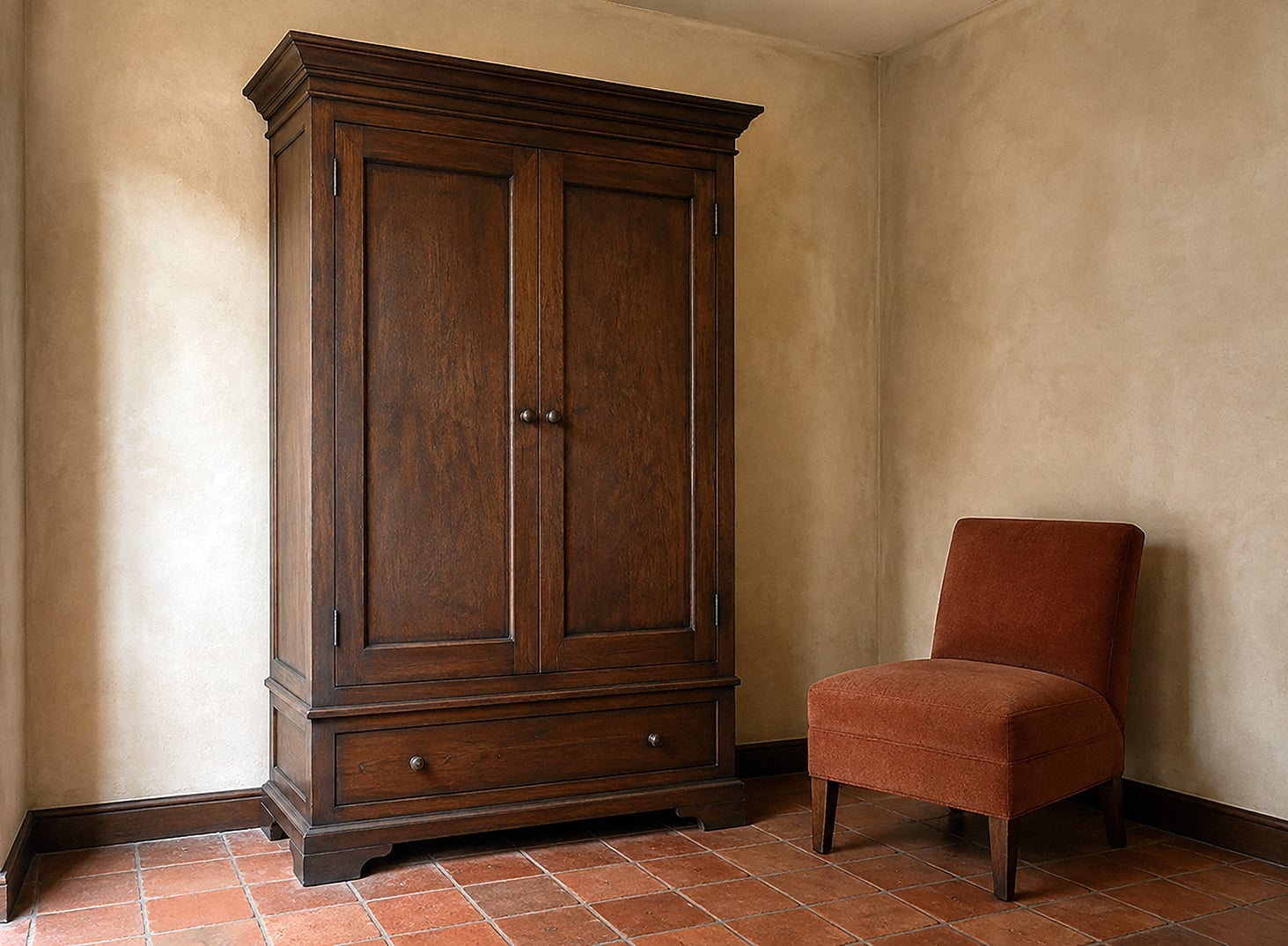
If you want library weight without built-ins, try one substantial cabinet and a low leather chair. A wool rug with a broad border plus one good floor lamp will settle the arrangement.
Let the wall treatment do the historical work through picture-frame molding or a wide painted band below a chair rail. You can get a convincing sense of age from proportion alone.
The surfaces should have some breathing room. One heavy brass candlestick on a side table looks intentional. Seven little curios look as if they're waiting to be priced at an estate sale, which may be charming in real life and oddly frantic in a photograph.
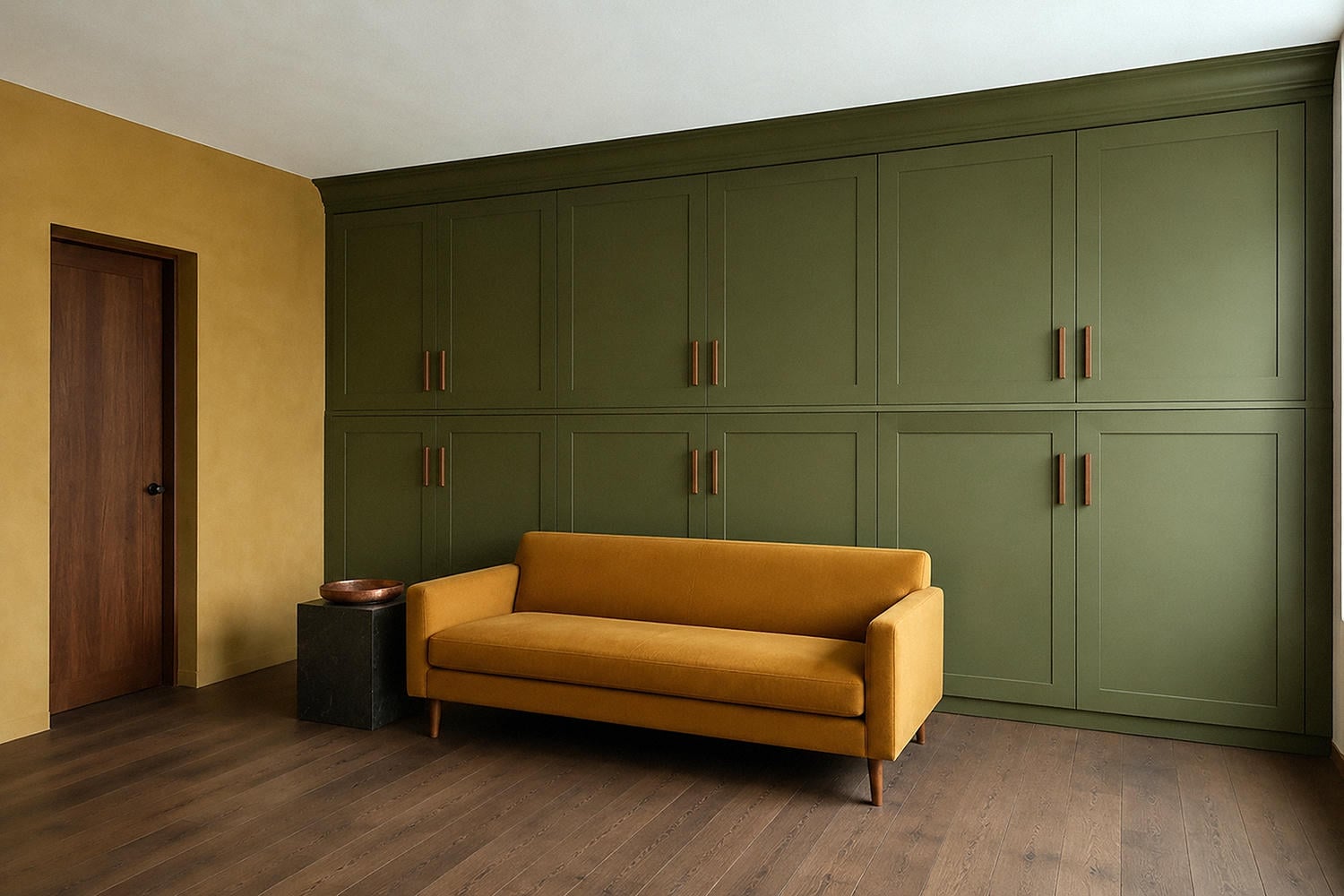
To my eye, one broad empty cabinet door can carry more period feeling than a shelf crowded with fussy objects. Strange, but true.
Make the Office Work Before It Starts Brooding
By lunchtime, the complication is obvious. You still have to see what you're doing.
Place the desk where daylight reaches from the side if your layout allows, then add a proper task lamp with a wide shade. Clear light on the work surface lets the walls stay deep.
Keep the desk plain enough that the wood or painted finish can register. A leather desk pad is enough in the center; let one lidded box and a metal lamp occupy the back edge. Your stapler doesn't need a supporting role in a period drama.
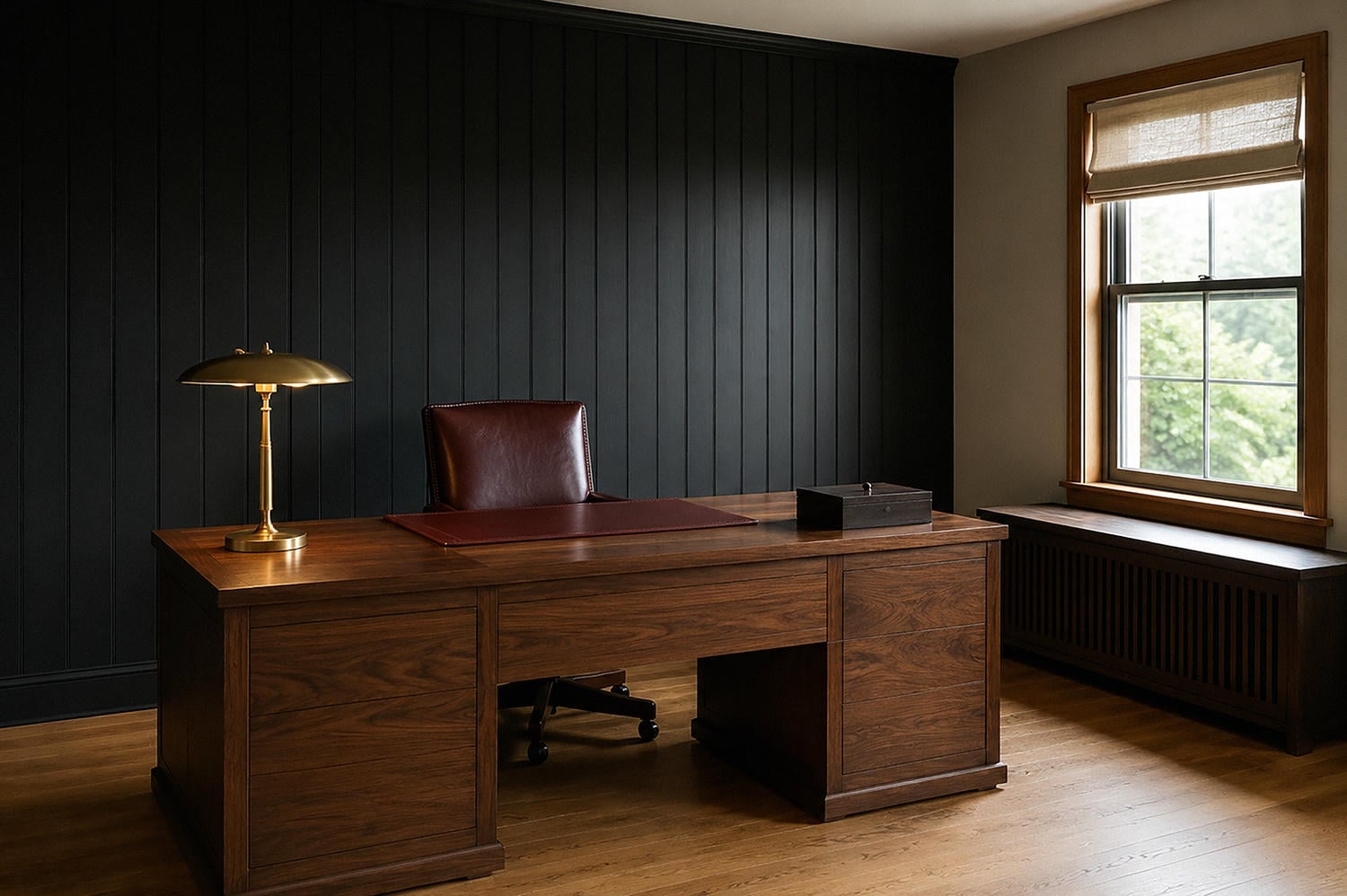
Closed drawers and cupboards will do more for the mood than piles of carefully arranged paper. You can talk about scholarship without turning the room into a stationery avalanche. If you love the visual rhythm of a traditional library, borrow its vertical lines and substantial cornice; warm timber will carry the rest.
A small office also benefits from one clear focal wall. Paint the cabinet and wall the same inky color, then keep the adjacent wall slightly lighter.
Leave the window trim crisp and a strip of floor visible. The room gains depth because the edges remain readable.
Soften the Room Without Sweetening It
Underfoot, wool changes the sound of a room just enough to make it feel more hushed, though the effect depends on the room and its furnishings. Choose a rug with a large border or a faded, low-contrast field. Tiny busy motifs can turn into visual static once the light drops.
Velvet has the right appetite for low light. It goes darker where the pile turns away, then flashes color along the arm of a chair. Leather brings a different sort of warmth -- smoother and a little less theatrical.
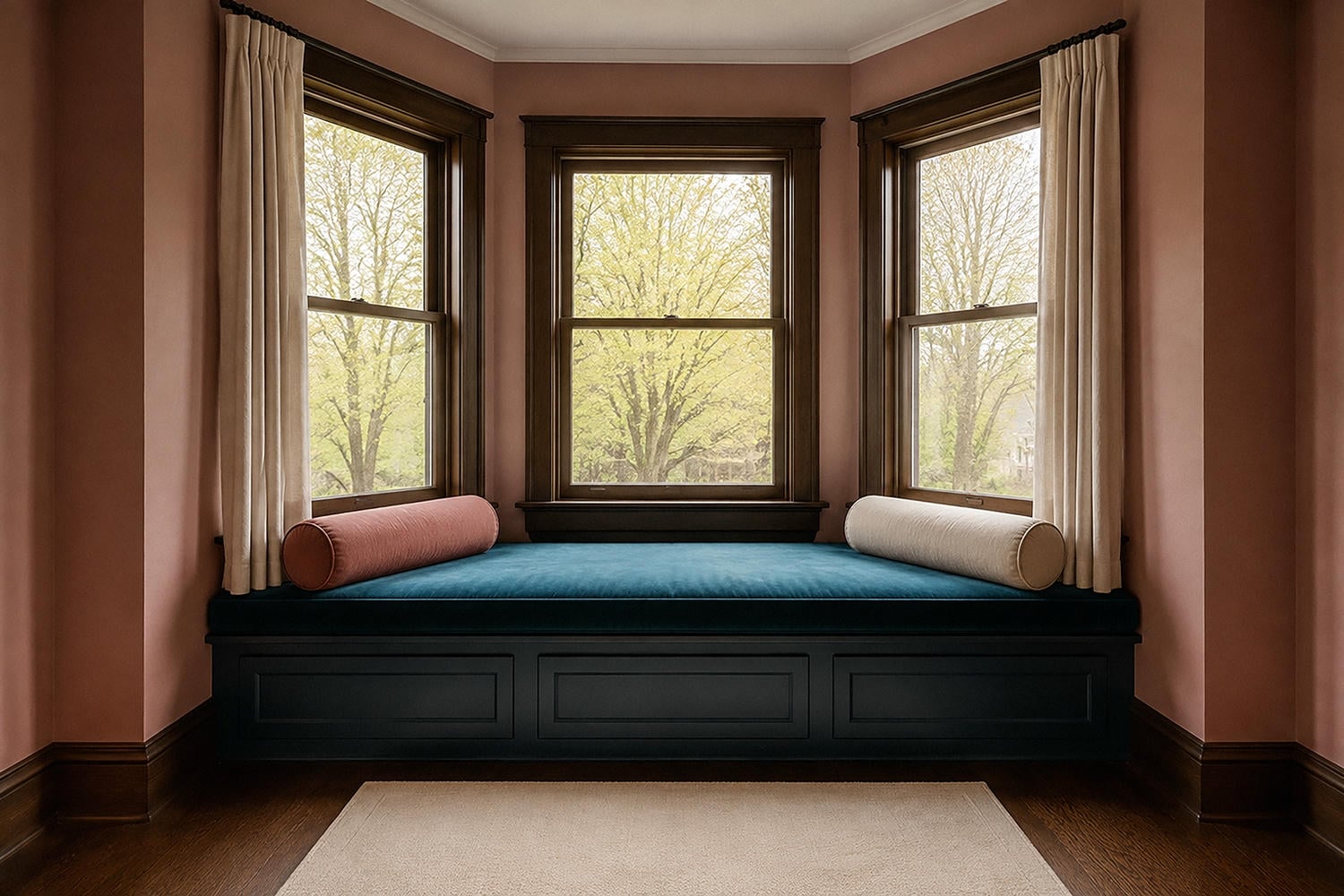
Window coverings need weight, though they don't have to be elaborate. Full-length linen or velvet panels frame the glass and soften the hard rectangle after sunset. Keep them close to the wall color if you want enclosure; choose a dusty contrast if the room needs lift.
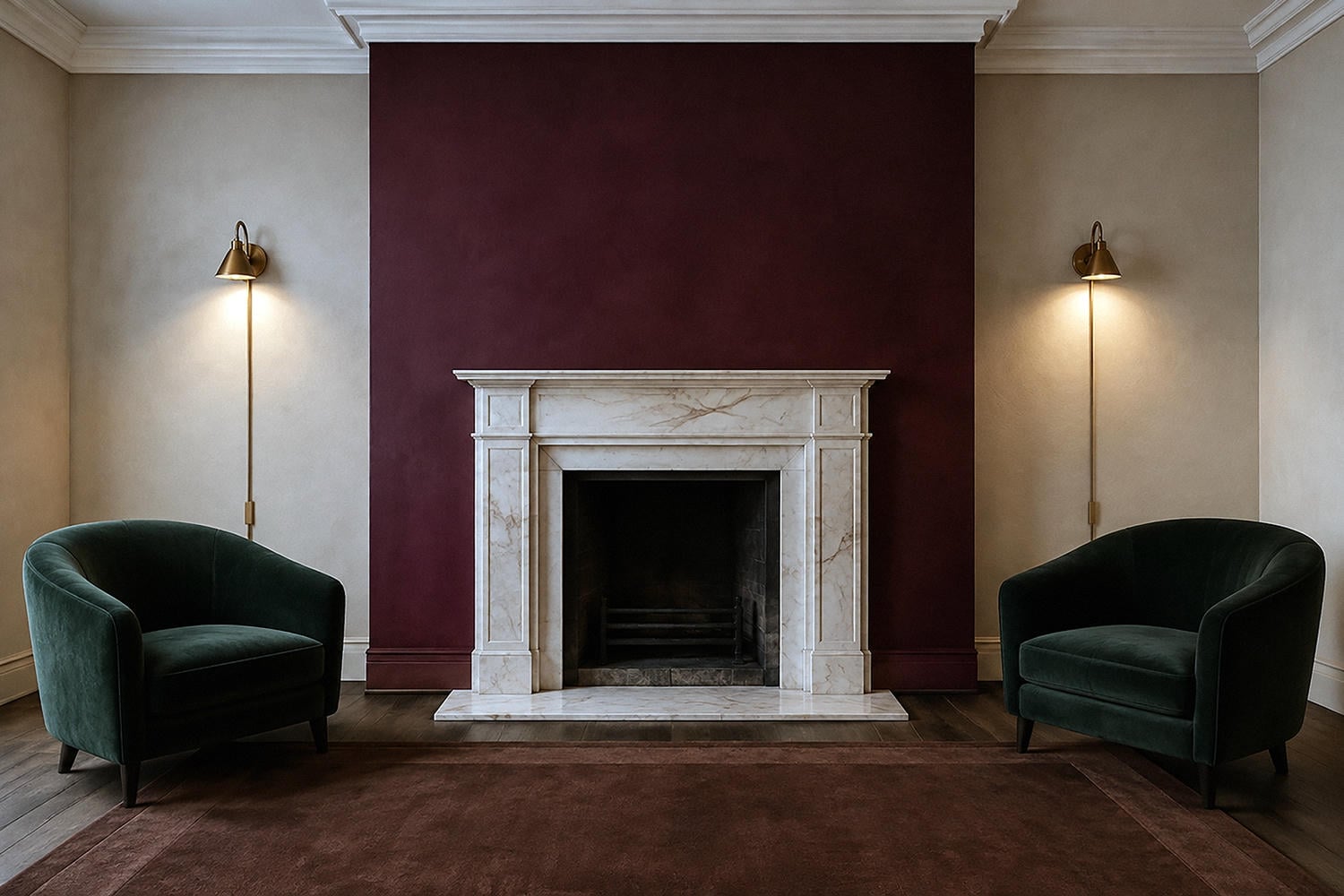
This is also where stone earns its keep. A pale marble hearth or a limestone lamp base gives the dark colors a cool interruption. The contrast is quiet.
You notice it the way you notice moonlight on a stair tread -- a small pale shape holding its ground.
Edit Until the Room Feels Like a Place, Not a Set
I'd rather see one convincing chair beneath a good lamp than a room stuffed with every symbol associated with dark academia. The style weakens when each object arrives carrying a tiny sign that says OLD AND INTELLECTUAL. Architecture can whisper; props tend to shout.
Try a quick four-part check before you call the room finished:
- Can you read comfortably in at least one seat?
- Does the darkest wall still show its paneling or plaster texture at night?
- Is there one pale or reflective surface that catches light?
- Are the modern necessities contained behind doors or inside one substantial box?
If one answer is no, you know where to edit. Add a lamp or raise the contrast.
Then close away the clutter. Don't add another decorative object out of panic.
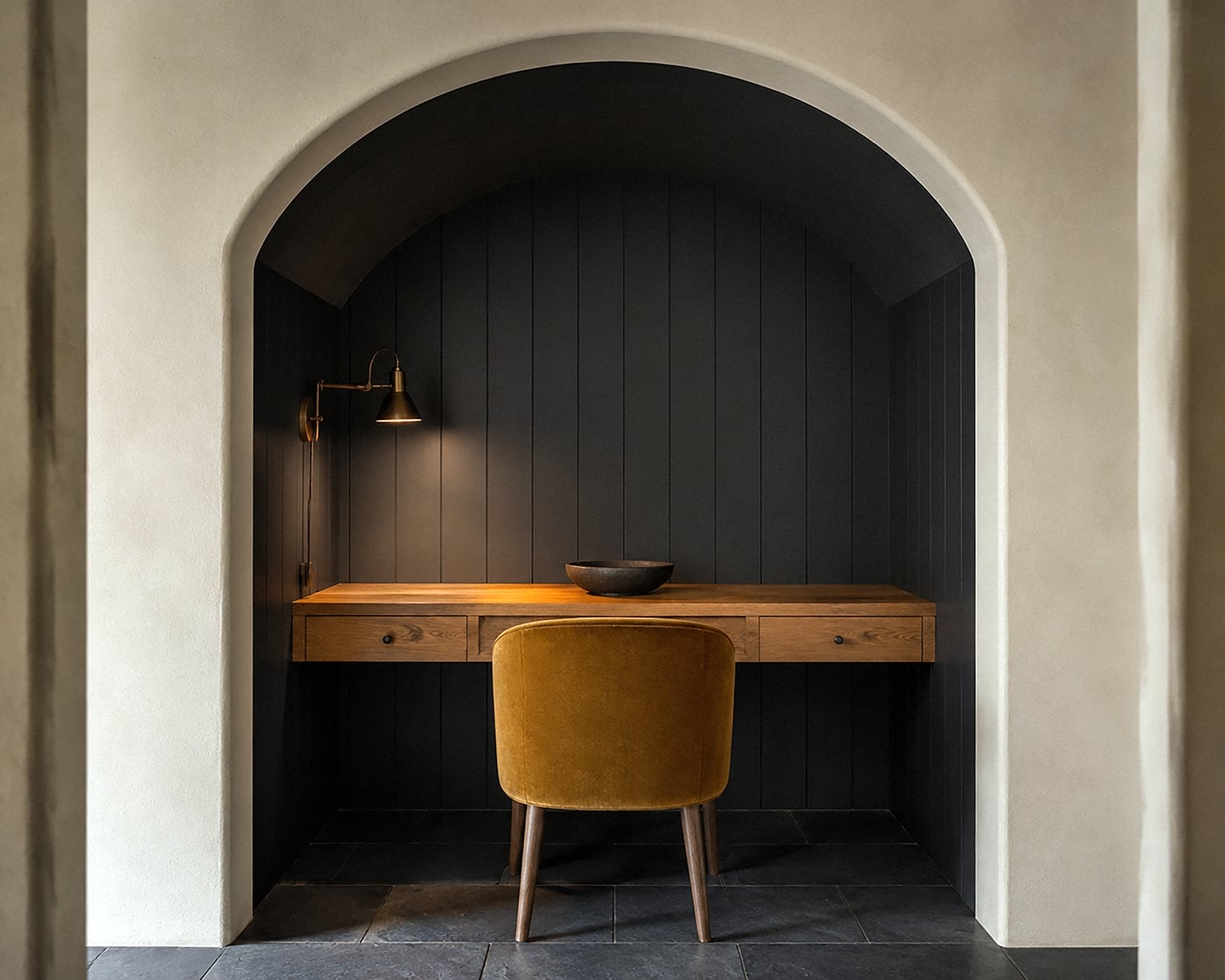
The loveliest moody rooms have a calm center. Light rests on the chair arm while the edge of the desk gleams. The far corner stays quiet; you can feel the day slowing down there.
Questions About Dark Academia and Moody Rooms
How do you make a dark room look cozy instead of gloomy?
Use several low, warm-looking light sources and keep one or two surfaces pale enough to catch the glow. Mix materials so the shadows retain detail. A wool rug and timber furniture can do more than scattering small ornaments around the room.
What are the best moody paint colors for a study?
My favorite starting points are forest green, oxblood, sooty blue, aubergine, and charcoal with a visible undertone. Test large samples beside your floor and trim throughout the day, because the room's light will decide which one feels rich and which one falls flat.
Can dark academia work in a small room?
Yes. Keep the furniture count low and use closed-front storage. Preserve clear contrast around the window, then let the floor and trim outline the room. A compact room can wear deep color beautifully when you can still read its edges.
Do I need open bookshelves for a dark academia room?
No, paneled cabinets, old timber, velvet seating, plaster walls, stone, and pools of lamplight carry the feeling without an open shelf in sight. Release yourself from the idea that the room has to prove how well read you are.
Paint it dark because you love the color. Then close the cabinet doors and settle into the chair that makes you want to stay.